Training Across Life Stages
The same dog needs four different trainers: the puppy's architect, the adolescent's anchor, the adult's coach, and the senior's gentle professor. Here's each job description.
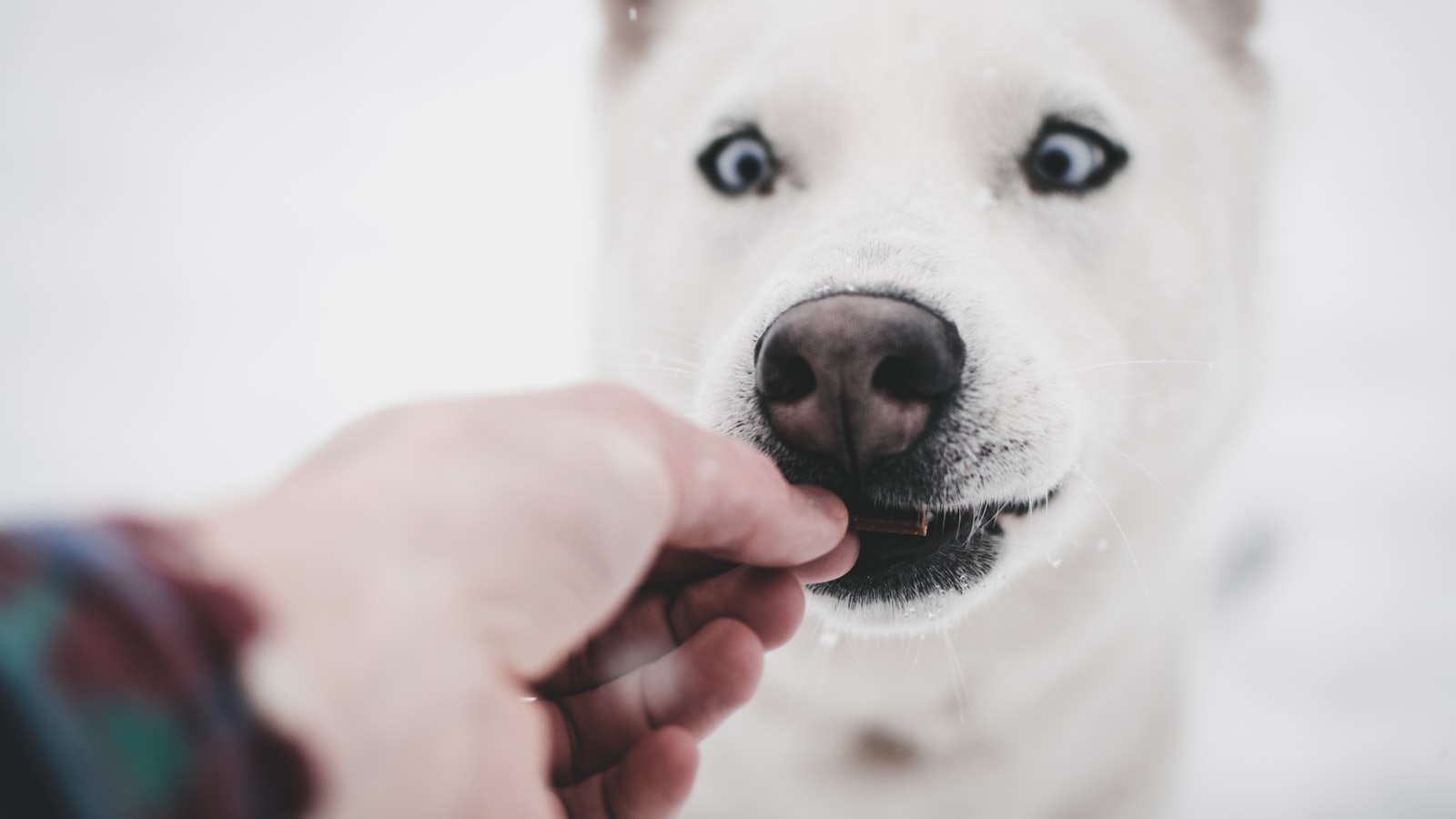
The training advice that saved your puppy will fail your adolescent, bore your adult, and overtax your senior — because the learner keeps changing under the lessons. The eight-week sponge, the ten-month teenager who's suddenly 'forgotten' everything, the settled adult coasting on old skills, and the greying professor who still loves class: same dog, four eras, four different jobs for you. Here's the era-by-era playbook — including the adolescent chapter nobody warns you about.
You don't train a dog once. You train four different dogs who happen to share a name — and the teenager is the one that tests your faith.
📋 Quick Read
- Puppyhood is architecture: the window, the foundations, the five-minute sessions — everything writes deep and fast, and the priority list is socialization > bite inhibition > potty > basics.
- Adolescence (6–18 months) is the faith-tester: hormones and brain remodeling make trained behaviors 'evaporate' — it's regression-shaped development, and the answer is management plus cheerful re-teaching, never punishment for 'knowing better.'
- Adulthood is the coaching era (maintenance reps, new challenges, the variable paycheck), and seniority is the gentle-professor era — shorter, softer, more valuable than ever, with training doubling as cognitive medicine.
Puppyhood: the architect era (8 weeks – 6 months)
Build in priority order while everything writes deep: socialization first (the window outranks obedience — a shaky sit at twenty weeks is fixable; an empty index isn't), bite inhibition and handling second (the lifetime-safety installs), potty and crate rhythms third (the schedule machinery), and the foundation cues fourth (name, sit, come, leave-it — the five-minute-session lessons). Keep the architecture honest: everything is games, sessions end while eager, criteria stay puppy-sized, and the only 'discipline' is management. The puppy era's secret is that you're not really training behaviors — you're training the meta-lessons: learning is fun, humans are safe, trying things pays. Get those three installed and every later era inherits a student who shows up happy.

Adolescence: the anchor era (6–18 months, breed-dependent)
The chapter nobody warns you about: somewhere around six-to-ten months, the trained puppy is replaced by a leggy skeptic who's 'never heard' the word come, tests every boundary, and finds the entire world more interesting than you. This is development, not defiance — hormones surging, brain remodeling, and a documented temporary dip in owner-responsiveness that passes on its own schedule. The anchor's job: manage more (the long line returns, freedoms temporarily shrink — not as punishment but as rehearsal-prevention), pay more (adolescent-grade distractions demand adolescent-grade wages — the treat lesson's jackpot tier), re-teach cheerfully (short, winnable sessions of the greatest hits, as if the cue were new — because to the remodeling brain, it half is), and protect the relationship (the era's one unforgivable error is punishing the dip as disobedience, spending adult-era trust on teenage-era noise). Keep the socialization maintenance running through the second fear period (that lesson applies), and hold the line on house rules with boring consistency. It ends. Truly. And the dog who emerges is the one you actually keep.
Adulthood and seniority: the coach, then the professor's aide
The adult era (roughly 2–7 years) runs on the coaching model: maintenance reps on the variable paycheck (the fading lesson's economy — skills stay sharp on surprisingly few, well-paid reps), plus real new learning, because the stable adult brain is a superb student with a settled attention span — this is the era for sports (the scent-work and agility lessons), advanced tricks, useful jobs (the carry and tidy-up chains), and polishing the public-manners suite. Watch for the coasting trap: untrained weeks compound into rusty months (the only-dog lesson's use-it-or-lose-it), so keep the five-minute habit even when nothing needs fixing. Then seniority (7+, breed-adjusted): the professor's aide shortens sessions, softens criteria (the sit that's slower is still a sit — arthritic hips get a pass), pivots physical cues to hand signals as hearing fades (train the signals BEFORE they're needed — a middle-age investment that pays the senior decade), and keeps class in session deliberately, because the senior-enrichment lesson's evidence is clear: gentle new learning is cognitive maintenance, and the greying student who still gets asked to think stays the professor longer. Four eras, and the constant across all of them: the dog who's still learning is the dog who's still fully alive in the partnership.
🗓 This Week's Plan
- Days 1–2: Run the Era Audit — name the era, read its job description, grade the mismatch.
- Days 3–5: Adjust one lever to match: window items for puppies, management-plus-jackpots for teenagers, one new skill for adults, hand-signal installs or gentler sessions for seniors.
- Days 6–7: Set the era-appropriate five-minute habit in the app — the format changes; the habit is forever.
Run the Era Audit in Pak Social
Name the era, match the job, adjust one lever. You're not failing the training — you might just be coaching the architect's dog, or anchoring the professor's. One column over is the fix.
Get Pak Social — Free ➡️ Up nextSenior Dog Care: What Changes After 73 min read›