Crate Training as a Safe Haven
Done right, the crate isn't where your dog gets put. It's where your dog goes — by choice, with the door open, because it's the best room in the house.
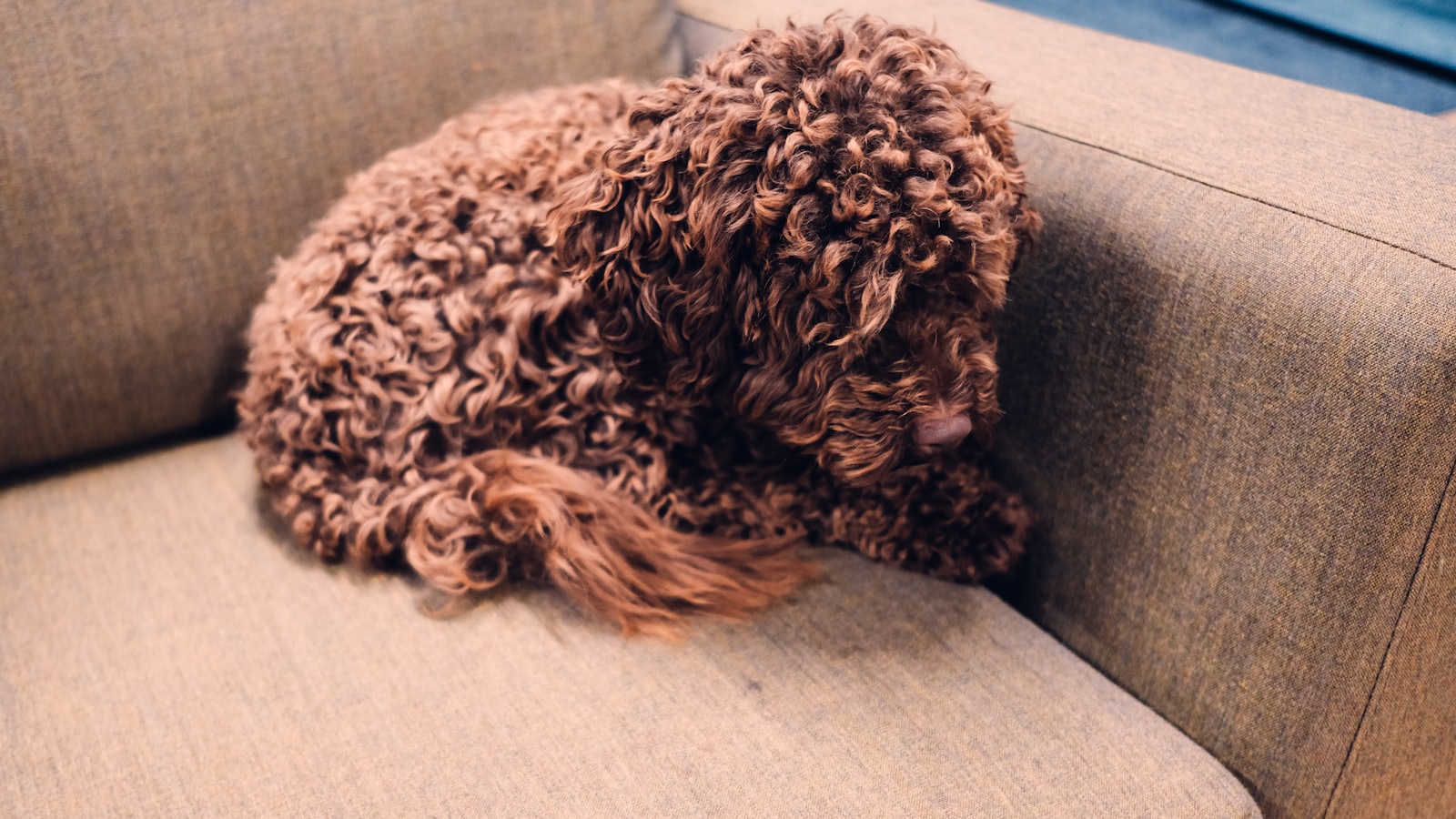
Somewhere right now, a dog owner is kneeling on the kitchen floor, pushing a bewildered puppy toward a wire box while both of them lose faith in the process. Rewind the scene. Crate training that works never involves pushing — it's a con job in the best sense: you make the crate so reliably wonderful that your dog starts putting themselves to bed. The difference between a cage and a den isn't the crate. It's the story your dog believes about it.
A crate isn't a cage. Done right, it's the one room in the house that's entirely theirs.
📋 Quick Read
- Dogs are den animals — a right-sized crate (stand, turn, lie down; not much more) taps a real instinct for enclosed, secure rest spots.
- The build is meals-first: feed every meal in the crate with the door open before the door ever closes. Comfort comes from hundreds of good minutes, not a lucky first night.
- Two hard rules: the crate is never punishment, and crying doesn't open the door — but a puppy crying may genuinely need a potty break first.
- Stalls have signatures — the doorway refusal, the eat-and-bolt, the chew-runs-out fuss — and every one is fixed by rewinding a phase and making it richer, never by pushing through.
What you need
The marketing campaign needs props. A right-sized crate — room to stand, turn, and stretch out, with a divider for a big-breed puppy (the sizing section below has the details). Bedding worth sleeping on, because the product you're selling is rest. A steady supply of small treats for the rain-of-treats phase, and a frozen stuffable chew — the workhorse of the whole build. Your dog's regular meals, which are about to relocate. And a spot in the social heart of the house, because a den in exile is just storage.
Sell it before you shut it
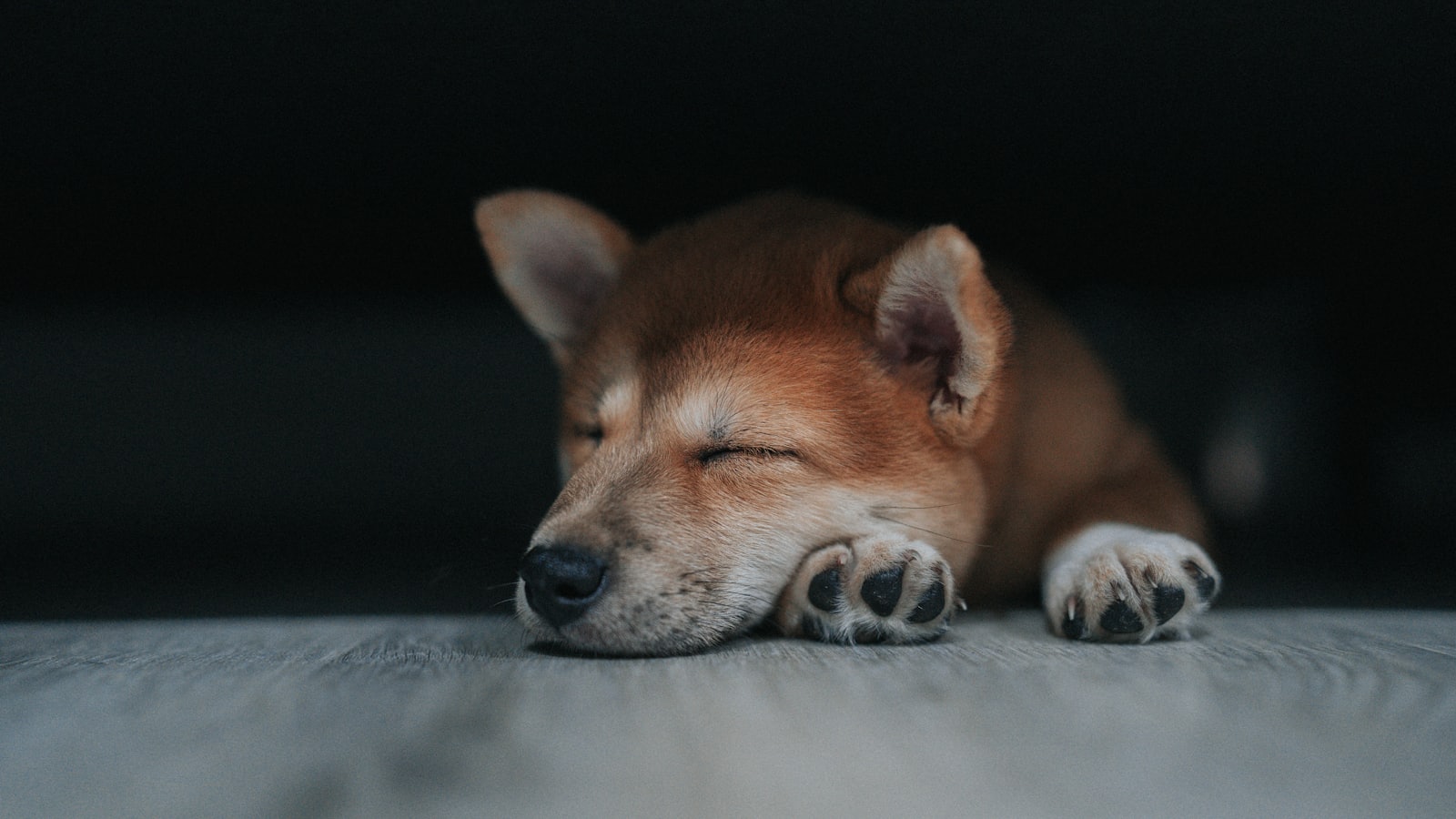
Set the crate up in the social heart of the house, door pinned open, great bedding in, and let it rain treats: toss a few in whenever you pass, hide a surprise chew in the back, feed every single meal inside. No door closing yet — this phase is pure real-estate marketing. Most dogs are wandering in on their own within days, and that voluntary step across the threshold is the entire foundation. A dog who chose the crate a hundred times will forgive the door; a dog who never chose it won't.
Door games and the duration climb
When your dog eats in the crate with total ease, start closing the door during meals and opening it as the bowl empties. Then: door closed one extra minute with a frozen stuffed toy, you sitting right there. Then five, while you putter nearby. Then you leave the room and return before the toy runs out. The frozen stuffed-chew trick is the workhorse of this phase — a dog excavating peanut butter for fifteen minutes is a dog logging fifteen relaxed crate-minutes, and the crate keeps earning while you're not even training.
Nights: crate in or near the bedroom at first — puppies take real comfort from hearing you, and you'll hear the genuine need-to-potty cry (which gets a boring, businesslike trip outside, then straight back in). The whine-for-attention cry, by contrast, gets nothing — one hard rule, kindly enforced: doors open for quiet, never for noise.
What earns the next minute
The climb has gates, and every one of them is behavioral, not calendar-based. Total ease eating in the crate earns the first door-close-during-meals. Calm door-closed meals earn one extra minute with the frozen chew, you sitting right there. That minute, repeated and relaxed, earns five while you putter nearby — and five settled closed-door minutes with you in the room is the balance that funds your first exit, timed so you're back before the chew runs out. The graduation was never about the door at all: it's the Open-Door Test — a dog who walks in on a cheerful cue, or better yet no cue, and settles by choice.
The hold rules mirror the gates. Fussing at a closed door means the door moved faster than the dog: rewind to brief closes with you seated beside it, and let the chew do the persuading. Whining the moment you leave the room means the picture changed too fast: shrink the absence to seconds and stretch from there. Neither is a setback — it's the account reporting its balance, and the account is always right.
When the build stalls
Most crate problems are marketing problems, and they stall in recognizable places.
Won't go past the doorway, even for treats. The back of the crate costs more than the treat pays. Stop escalating the ask — park the value at the threshold for a few days, upgrade the bedding, toss and walk away rather than hover. Days of cheap wins beat one negotiated entry.
Eats the meal, then bolts like the bill arrived. You've built a restaurant, not a den — a completely normal middle stage. Keep the meals coming, add chews that take real time, and resist any urge to close the door on a diner. The lingering comes first, then the napping.
Great with the chew, fussing the moment it's gone. The chew is currently the ceiling of the crate's value. Return before it runs out — that's the rule for a reason — shorten the stints, and richen the chew until duration catches up on its own.
Settled beside you, unraveling when you disappear. The crate was fine; the picture changed. Step out for seconds, not minutes, and be back before the chew runs out, stretching absences so gradually your dog never files them as events.
Night crying you can't sort. The two-cry rule from the door-games section covers most of it — a genuine potty cry gets the boring trip, an attention whine gets nothing. If the nights stay noisy once the potty math is honestly handled, the crate-whining lesson is the full toolkit, built exactly for that fight.
Same crate, different dogs
This build is written puppy-first, and puppies mostly need it run patiently, with the hold-hours honesty covered below. High-energy dogs crate best after the energy has somewhere to go — a walk or a play burst first, then the chew as a landing pad, because you're selling rest to a customer who has to be ready to buy it. Soft, sensitive dogs do better with the crate near the action but out of the traffic lane — part of the room, not furniture in a hallway. And an adult or rescue dog with history in the box isn't a faster puppy; they're a different project with their own lesson, and the renegotiation there runs on a slower, choice-first clock.
Size, limits, and the long game
Size the crate to the dog: enough to stand, turn, and stretch out, not enough to sleep at one end and pee at the other (big-breed puppies do best in an adult crate with a divider that grows with them). Respect biological limits — a young puppy can't hold it for a workday, and a crate can't make them; as a rough rule, hours-of-hold roughly matches months-of-age, capped well short of a full day. The finished product is worth every week: a dog with a portable safe room for travel, vet stays, houseguests, fireworks — and a bedroom they retire to on their own at 9 p.m.
Keeping the den a den
Once the story is written, protect it. The account never actually closes: meals still land in the crate some days, treats still appear there "randomly," and the door stays open by default whenever you're home — the den's whole argument is that it's a choice. When the crate travels — hotel rooms, the vet, a houseguest weekend, fireworks season — bring the same bedding and the same chew ritual, and the safe room arrives pre-installed.
Two house rules keep it safe forever. The never-punishment rule stays airtight for life — one angry send-away can still spend a month of goodwill years from now. And the crate is off-limits to reaching hands, children's especially: a dog in the den is a dog off duty. Guard those two, and the best room in the house stays exactly that.
🗓 This Week's Plan
- Days 1–2: Crate staged in the main room, door pinned open, treats appearing in it "randomly" all day. First meals inside.
- Days 3–4: All meals in the crate; introduce the frozen stuffed chew; first brief door-closes while you sit beside it.
- Days 5–7: Build to five closed-door minutes with you nearby, then the Open-Door Test. Log every calm session.
Start the Crate Training plan in Pak Social
Stage the crate, feed tonight's dinner inside it, and let the marketing begin. In a few weeks your dog will have the best room in the house — and know it.
Get Pak Social — Free ➡️ Up nextPotty Training Without Setbacks9 min read›