Teaching Handling: Building Trust One Touch at a Time
Vet exams, nail trims, ear checks, burr removal — your dog's whole life goes easier if human hands never feel like an ambush.
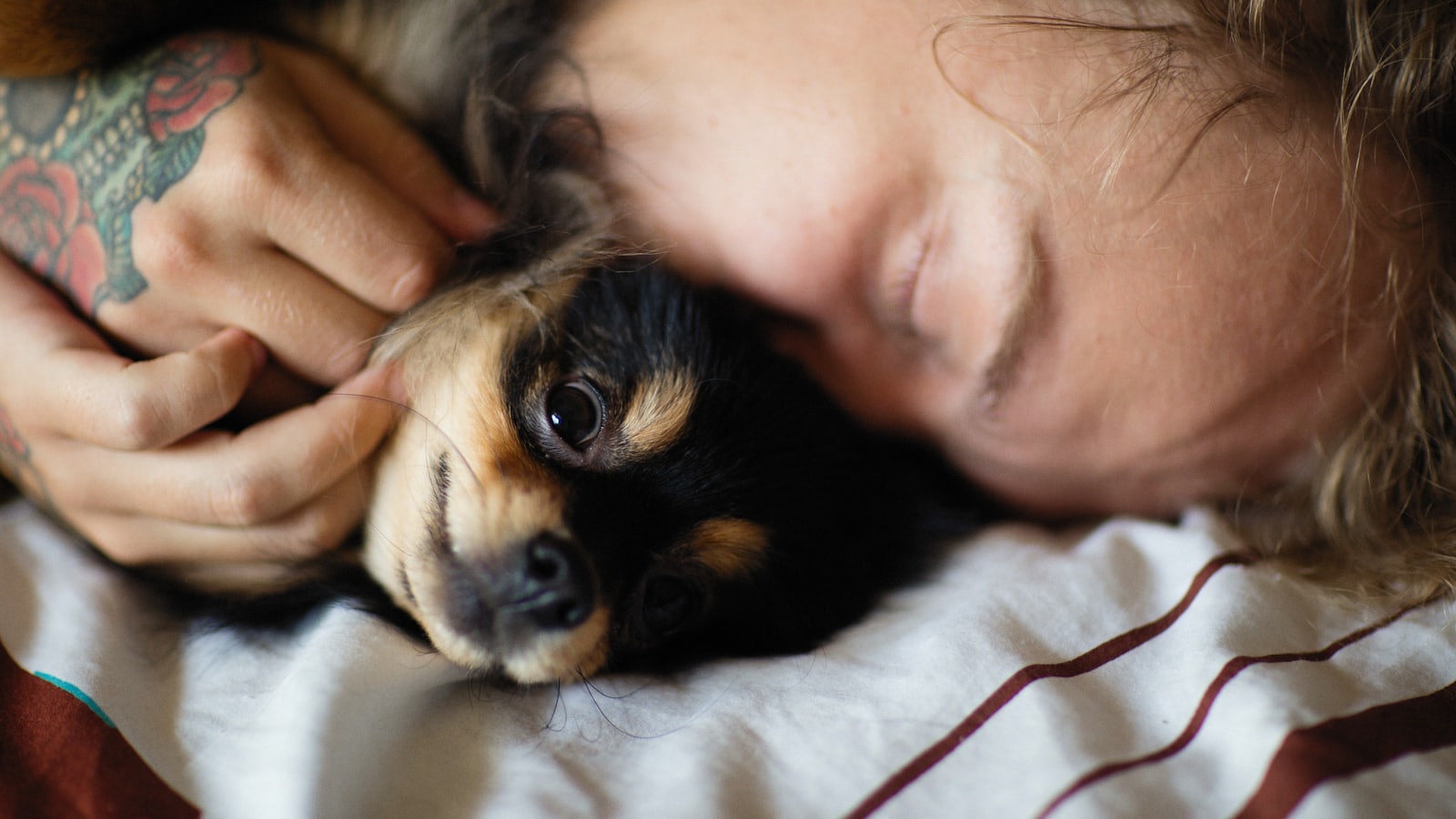
The nail clippers come out and your dog evaporates. At the vet, it takes two techs to look in one ear. Nobody plans for this — it accumulates, one surprise grab at a time, until touch means trouble. Handling training runs the film in reverse: paws, ears, mouth, tail, collar — each one paired with something wonderful, each one your dog's choice to stay for — until being examined is just another boring thing that pays well.
Handling isn't grooming prep. It's teaching your dog that human hands never surprise them.
📋 Quick Read
- Handling tolerance isn't a personality trait — it's trained, one body part at a time, with touch that starts featherlight and always predicts food.
- The modern standard is cooperative care: the dog opts in, and stopping when they say stop is precisely what makes them stop saying it.
- Collar grabs deserve special drilling: a dog who loves collar-touches is a dog who can be caught in an emergency without a rodeo.
- A freeze or a growl is the loud opt-out — it means the quiet ones got missed. Slow down and slice thinner, and bring in a certified professional if the warnings are escalating instead of fading.
What you need
The kit is mostly things you already own. Top-shelf treats — handling pays above the usual rate, because you're buying trust, not tricks. A quiet room and a dog who's had their exercise, since a body full of unspent zoomies can't hold still for touch. The nail clippers — or whichever tool causes the vanishing act — making cameo appearances long before they perform. Your phone, for filming the Vet Rehearsal baseline. And three minutes at a time: handling is built in reps so short they end before anyone gets brave or worried.
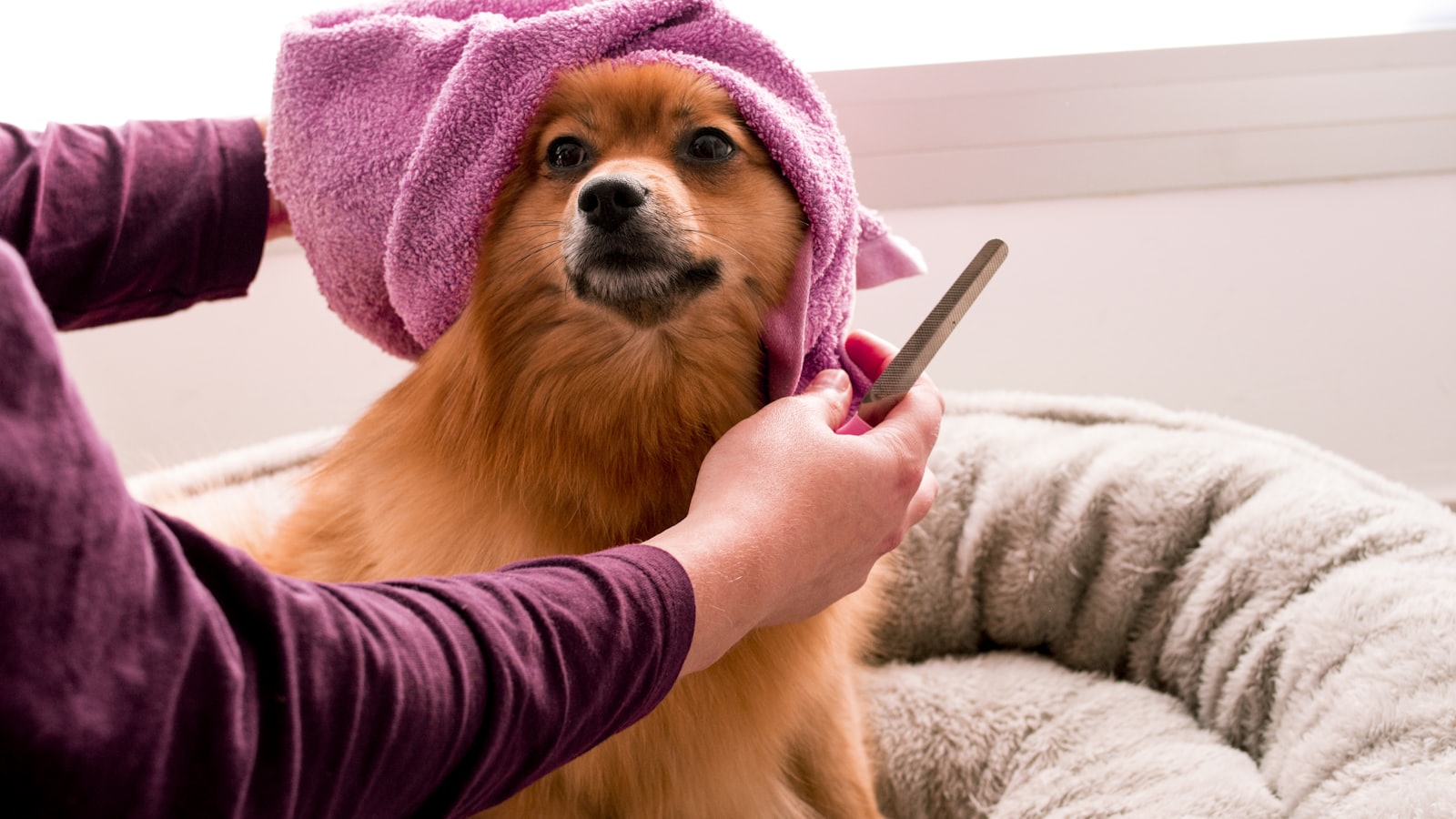
The basic loop: touch, treat, release
Pick one body part — say, a front paw. Touch it lightly for one second, feed a great treat, remove your hand, done. Ten reps a session, sessions under three minutes. Only when your dog is visibly delighted by paw-touches do you level up: hold two seconds, then gently squeeze a toe, then introduce the clippers just resting nearby (not cutting — appearing, then paying). The ears, the mouth flip, the tail lift, the hug-hold your vet uses: same ladder, one rung at a time. You're building a body-part map where every region says "handled = paid."
What ready looks like, rung by rung
The gauge for climbing is delight, not tolerance — and the difference shows. A dog who's ready for the next rung leans into the touch, nudges your hand for another rep, and stays loose through the whole loop, soft mouth and easy tail. A dog holding still with a tight face and a frozen body is enduring, not enjoying — technically passing, emotionally maxed out. Enduring dogs don't get harder reps; they get easier ones until the lean-in shows up.
When you do climb, move one variable: a longer touch, a firmer touch, or the tool an inch closer — never all three. And after any startle — a slipped clipper, a too-quick grab, a doorbell mid-session — drop several rungs for a day and rebuild. Rungs cost little to re-climb; trust costs a lot to re-earn.
The consent switch (this is the part that feels backwards)
Teach a start button: a chin rest on your palm or your dog stationed on a mat means "I'm ready." The rule that makes it work is the exit clause — if the chin lifts or the dog steps off the mat, everything stops, no penalty, and you resume when they opt back in. Owners worry this teaches dogs to bail constantly. In practice it's the opposite: dogs who trust the stop signal use it briefly and less over time, because they no longer need distance to feel safe. A dog with a working brake pedal will ride along much further.
Collar grabs and the emergency dividend
Drill this one deliberately: touch the collar, feed. Hold the collar, feed. Gentle pull, feed. Grab it a little faster, jackpot. A dog with hundreds of happy collar-grab reps can be caught at an open gate, taken by a stranger in an emergency, or hauled back from a hazard without adding panic to the crisis. It's two minutes a week and it's some of the highest-value insurance in dog ownership — right up there with a solid recall, and it backstops the recall too.
When handling stalls — or scares you
Handling work fails quietly, and occasionally loudly. Here's how to read both.
Takes the treat, then yanks the paw back. Eating and relaxing aren't the same thing — a dog can chew while planning their exit. The touch is over the line: make it shorter and lighter, or start somewhere easier (the shoulder) and migrate toward the paw over sessions. The rep you want ends with the paw still in your hand and the dog looking for more.
Fine with hands, gone when the clippers appear. The tool has its own bank account, and it's overdrawn. Give it its own ladder: clippers visible across the room, then on the floor nearby, then in your hand, then touching a nail, then one squeeze in the air — each rung paid, none rushed. The first real nail happens weeks in, and it happens alone: one nail, one jackpot, done.
An angel at home, a tornado at the vet. Skills don't travel on their own, and the clinic smells like every worried dog who visited before yours. Tour the mock exam — other rooms, the car, a friend's hands running the loop — and ask your clinic whether you can drop by now and then just to sit in the lobby, collect a treat, and leave. Visits where nothing happens are what make the visits where something happens survivable.
The chin rest won't stay down. The start button is a skill of its own, and it's being asked to run before it's been paid. Spend sessions on just the rest: chin lands, treat arrives, chin leaves, repeat — until parking the chin is your dog's favorite move. Only then ask it to hold while a hand approaches an ear. A weak button gives you noisy answers; you can't read consent from a switch that barely works.
A freeze, a growl, a hard stare. These are the loud opt-outs, and they usually mean the quiet ones — the lip licks, the leaning away — went unnoticed a while back. Stop the session, and don't punish the growl: it's the smoke alarm, and silencing it removes the warning without touching the fire. Drop far down the ladder, slice thinner, and let the consent switch carry more of the weight. If growling around handling keeps showing up, or is escalating toward snapping, bring in a certified positive-reinforcement professional. This is the one corner of training where pushing past the warnings alone isn't brave — it's expensive.
Same loop, different dogs
Puppies are the golden window — a few hundred happy touch-treat reps banked before adolescence pay out over a lifetime of vet visits, and every gentle family member can contribute. Adult rescues may carry a history you'll never get to read: assume nothing, start below featherlight, and let the consent switch do extra work. For a dog whose history with hands is murky, controlling the ride is the fastest route to trusting it.
Wiggly, high-drive dogs aren't opting out — they're vibrating. Exercise first, keep reps brisk, and read the direction: wiggling toward your hand is enthusiasm, wiggling away is an answer. Soft, sensitive dogs need the rungs sliced thinner than feels reasonable — a one-second touch may need to become a half-second hover for a while. And any dog who newly resents a spot they used to offer freely may be sore there; that's a vet conversation before it's a training plan.
The dividend, collected for life
Handling is the rare skill you can maintain almost by accident — if you let it live inside ordinary affection. Fold a paw squeeze into the evening couch session, a collar grab into the pre-walk ritual, an ear peek into the weekend once-over, each paid now and then. Two deliberate minutes a week keeps the whole map funded, and the real grooming stays honest: one nail tonight is a better long game than four quick ones a struggling dog will remember.
The payoff compounds quietly. The vet exam that's just a well-rehearsed routine. The burr removed roadside without a wrestling match. The open-gate moment where a hand on the collar reads as good news. None of it looks like training when it happens — which is exactly the sign that it worked.
- Front paws held, toes squeezed
- Back paws held
- Ears looked into and touched
- Mouth flipped open for a look
- Collar grabbed, gently pulled
- Body hugged / vet-style hold
- Brush or clippers present and touching
🗓 This Week's Plan
- Days 1–2: Pick the two easiest body parts; ten touch-treat reps each, daily. Stay below the flinch line.
- Days 3–4: Add collar-grab reps and introduce the chin-rest start button.
- Days 5–7: Add one harder area (ears or mouth) and finish with the 60-second Vet Rehearsal on video.
Start the Handling plan in Pak Social
One paw, ten treats, tonight. Every touch you condition now is a calmer nail trim, an easier vet exam, and a dog who trusts hands for life.
Get Pak Social — Free ➡️ Up nextCrate Training as a Safe Haven9 min read›