Teaching Name Recognition: The Foundation of All Training
Before sit, before stay, before anything — your dog has to know that their name means "eyes on you, something good is coming."
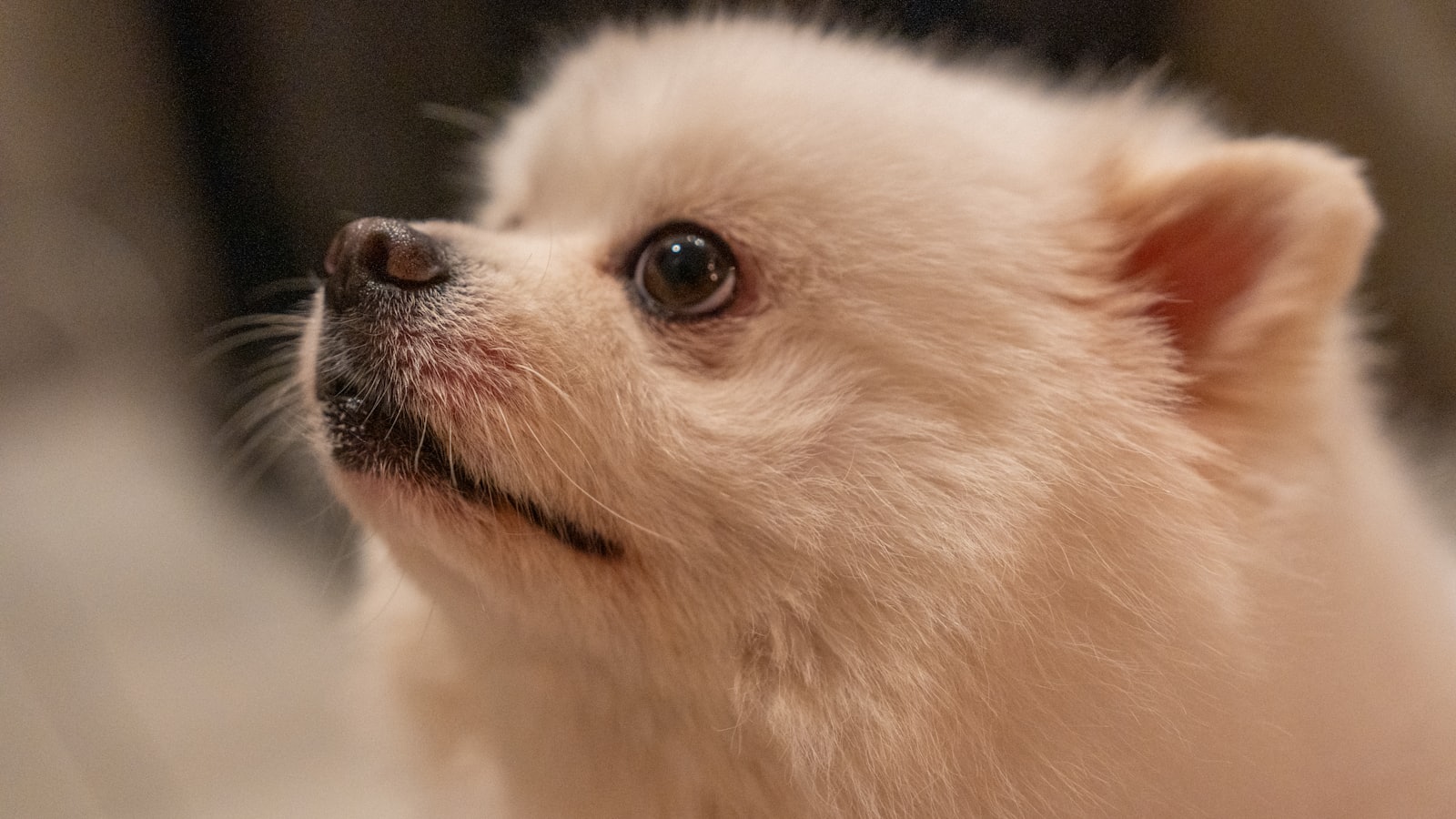
You call your dog's name and get… nothing. Not defiance — just a dog thoroughly invested in a smell near the fence. Here's the thing most owners never learn: dogs don't come pre-installed knowing their name matters. Right now, "Luna" is background noise, one more sound in a noisy world. The Name Game changes that — it turns your dog's name into the most reliable attention switch you own, and every other command you'll ever teach runs through it.
Your dog's name isn't a command. It's the doorbell for every command that follows.
📋 Quick Read
- A name isn't obedience — it's an attention cue. The goal is a reflexive head-turn toward you, not a behavior. That reflex is the opening move of every future cue.
- Names lose power through overuse and misuse: repeated unanswered ("Luna. Luna! LUNA!") or attached to unpleasant things, the name learns to mean "ignorable" or "uh-oh."
- Ten treats a day for a week builds it: say the name once, mark the head-turn, pay. Easy contexts first, harder ones only after the reflex is automatic.
- When the name misfires, the pattern points to the fix — a rented glance means pay faster, a happy-voice-only response means the tone got trained instead of the word, and a flinch means the name needs a clean ledger (or a fresh start).
What you need
The kit for this one fits in a pocket. Ten small, high-value treats per round — this is a generosity game, so bring the good stuff, cut small. A quiet room to start, graduating later to the yard and the street. Two minutes a day — genuinely; ten reps and done. Of every skill in the program, this is the cheapest to build and the most expensive to neglect.
The Name Game, step by step
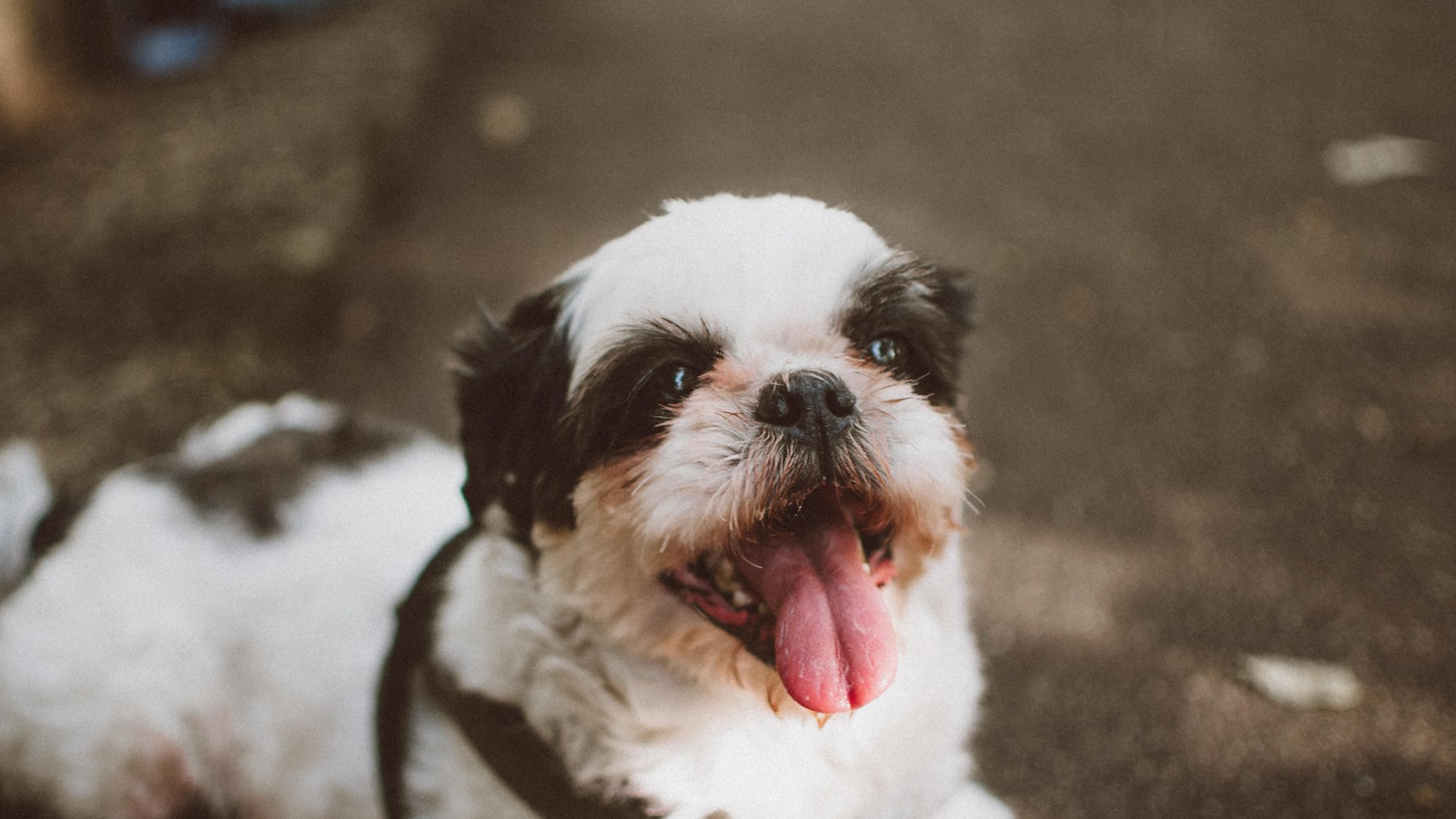
Start in a quiet room with ten small, high-value treats. Say your dog's name once, in a normal happy voice. The instant they look toward you, mark it ("yes!") and deliver the treat. If they don't look, don't repeat the name — make a small kissy noise, pay the look that follows, and use an easier room next round. Ten reps, then done; this is a two-minute game. Within days you'll see the head-whip: name in, eyes on you, tail already asking what's next. That whip is the whole foundation.
When a context is finished
The graduation bar never changes: eight head-whips out of ten, on the first say, in that location. Under that, the context stays on the practice list — no shame, no rushing. But grade quality alongside quantity, because the whip itself tells you how deep the reflex runs. A ready dog turns before the second syllable lands, soft-eyed and forward-eared, tail already asking the next question. A dog who turns a half-second late, or with a where's-the-fire startle, is still processing rather than reflexing — that context needs more deposits.
When a new context bombs — a name that was bulletproof in the kitchen goes missing in the yard — resist the urge to repeat and escalate. One kissy-noise rescue, pay the look, then finish the round somewhere easier and come back tomorrow at more distance from whatever won. The name never gets said into the void; that rule outranks progress.
Protect the name like an asset
Two habits quietly bankrupt a name. First: narrating with it ("Luna, no. Luna, get down. Luna, what do you have?") until it's wallpaper. Second: using it as a warning siren — if the name mostly precedes things your dog dislikes, the head-turn gets slower every week. House rules: the name means good things are on deck, corrections happen without it, and anything unpleasant (bath, nail trim, vet) gets a neutral approach rather than a cheerful name-call ambush.
Level up: from kitchen to park
Once the head-whip is instant in quiet rooms, raise the stakes gradually: name during mild distraction (family member walking by), in the yard, on a calm street, then — the graduate exam — mid-sniff at the park. Each new context starts back at generous pay rates. Most dogs plateau not because they're stubborn but because their owner jumped from the kitchen to the dog park in one leap; if the whip disappears, you've skipped rungs. The finished product is a dog whose name works exactly once, anywhere — which is the doorway every recall, stay, and leave-it walks through.
When the name stops landing
A weakening name usually isn't mysterious — it fails in a few recognizable patterns, each with its own repair.
Looks, then instantly back to the smell. The turn happened, so the name worked — but attention is being rented by the second. Pay faster (the treat should arrive while the eyes are still on you), and occasionally follow the head-turn with three or four bonus treats in a row, so checking in sometimes becomes a small festival worth staying for.
Whips around for you, ignores everyone else. The name has become "the sound she makes before chicken." Deal the rest of the household in: same game, same rules, one person per session, everyone paying the first look — while every narrated, unanswered "Luna" anyone says keeps draining the same account.
Only answers the happy voice. If the name works sung in soprano and fails spoken normally, the tone got trained instead of the word. Run rounds in your flattest indoor voice, pay generously, and save the excitement for the payment rather than the cue.
The flinch. A dog who hears their name and ducks, slinks, or freezes learned somewhere that the name is a siren. Retire it from daily chatter for a week, play the game with your body still and sideways, and let ten treats a day rewrite the forecast. If the flinch runs deep — some rescues arrive with it — a fresh name is often kinder than a rehab project; charge the new one from zero and enjoy the clean ledger.
The professional starer. Some dogs solve the game and then never stop watching you, head-whip pre-loaded. Charming, but the reflex you want is turn-when-called, not watch-forever. Play the game only when attention is genuinely elsewhere — mid-sniff, mid-wander — so the name keeps interrupting something rather than confirming a stakeout.
Same game, different dogs
Puppies soak this up in days — start the first week home, before the name has any static on it. Adult rescues come in two flavors: the blank slate (a shelter name nobody really used — run the puppy build) and the loaded name that predicts trouble; when in doubt, pick a new name and start the account at zero. Multi-dog households play one dog at a time behind a door, because a game with an audience pays the fastest head, not the named one — and each name has to mean exactly one dog. And with a soft or noise-sensitive dog, drop your volume rather than raising it; a name spoken gently and paid well lands deeper than one projected across the house.
A name that stays golden
After the first week, the name goes on a maintenance diet that costs almost nothing: pay a handful of head-turns a week, at random, forever — from the fridge, on the trail, mid-yawn on a Sunday. Spot-check with the 8-for-10 Test in a new place every month or so, and if a context has gone soft, it gets a few generous rounds, not a lecture.
Protect it structurally, too: keep the household honest about narration, and keep the unpleasant stuff off the name's books. What you've built is a word that reliably buys your dog's eyes, anywhere, once. Every skill after this one — the recall, the stay, the leave-it — begins with exactly that moment. You've installed the doorbell; the rest of the program is what walks through the door.
- Quiet room, no distractions
- Living room with family moving around
- Backyard, mild smells
- On-leash on a calm street
- Front door with a visitor arriving
- Mid-sniff at the park
🗓 This Week's Plan
- Days 1–2: Ten-treat Name Game daily in the quietest room. Mark and pay every head-turn.
- Days 3–4: Add one mild distraction context; keep paying generously. Audit the house for name-narration and stop it.
- Days 5–7: Run the 8-for-10 Test in two contexts and log the scores. Anything under 8/10 stays on the easy list another week.
Start the Name Game plan in Pak Social
Ten treats, two minutes, today. In a week, one calm word will turn your dog's head anywhere — and every lesson after this one gets easier.
Get Pak Social — Free ➡️ Up nextTeaching Handling: Building Trust One Touch at a Time9 min read›