Senior Dog Care: What Changes After 7
The quiet shifts of aging — and the simple, evidence-based habits that add good years.
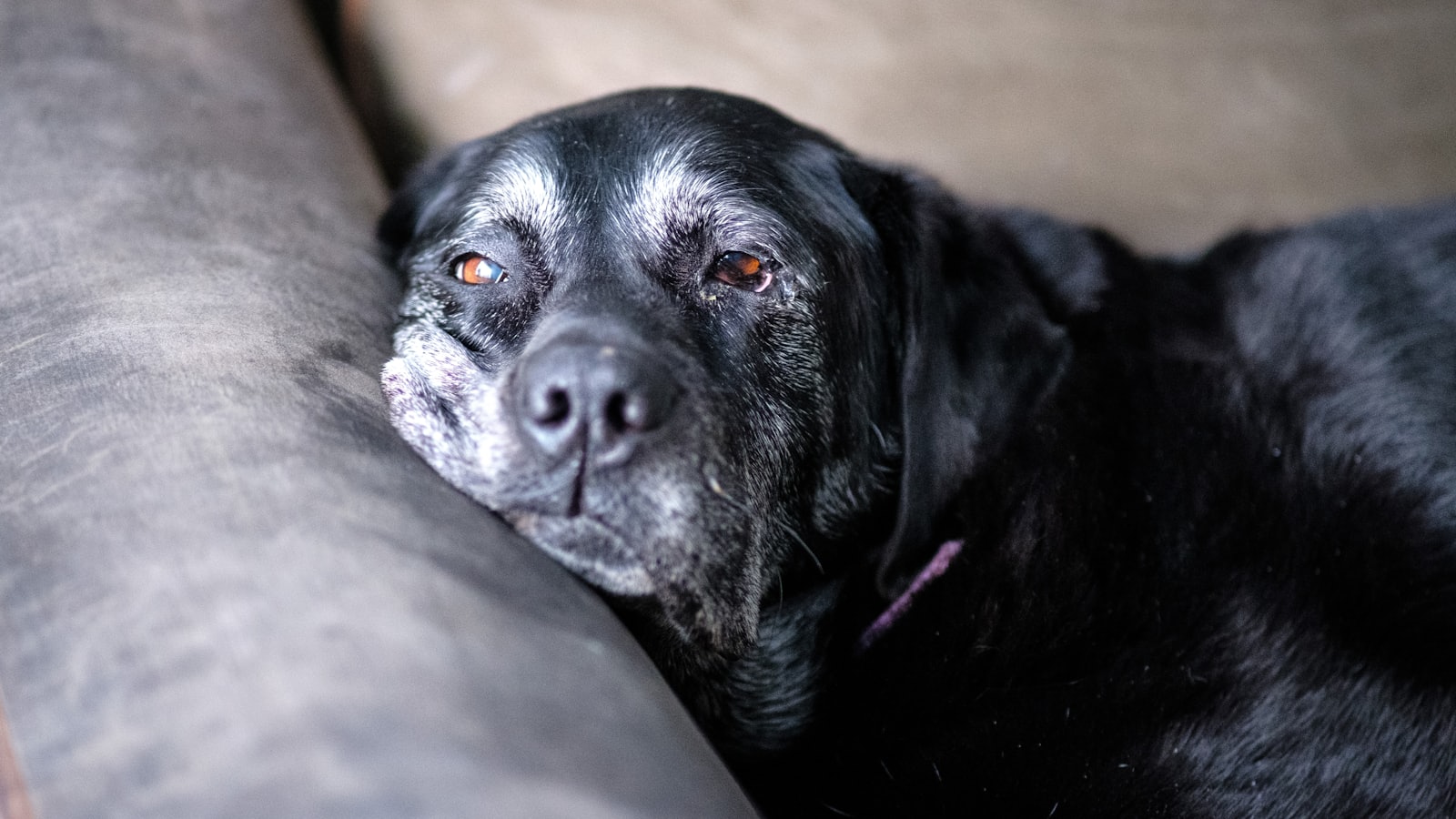
You noticed it before you could name it — a beat slower on the stairs, more grey on the muzzle, a longer nap. Following our limping decision guide, this is the bigger picture: what changes as your dog crosses into their senior years, and what to do about it early.
Old age isn't a disease — but after 7, the quiet changes are worth catching early.
📋 Quick Read
- Vets recommend senior dogs see the clinic every six months, not once a year — twice the chances to catch things early. ([AAHA](https://www.aaha.org/resources/supporting-your-senior-pet-veterinary-care-recommendations/))
- Senior wellness visits add bloodwork, thyroid testing, and blood-pressure checks — screening for kidney disease, arthritis, and cancers before symptoms show. ([AAHA](https://www.aaha.org/resources/supporting-your-senior-pet-veterinary-care-recommendations/))
- The earliest sign of aging you can track at home is 'first-step stiffness' — how your dog moves in their first minute up.
What actually changes after 7
Metabolism slows, joints stiffen, senses dull, and organs work a little harder. Per the [AAHA](https://www.aaha.org/resources/supporting-your-senior-pet-veterinary-care-recommendations/), this is the stage to shift to six-month checkups that add bloodwork, thyroid testing, and blood-pressure measurement — plus a conversation about diet and exercise changes to match a changing body.
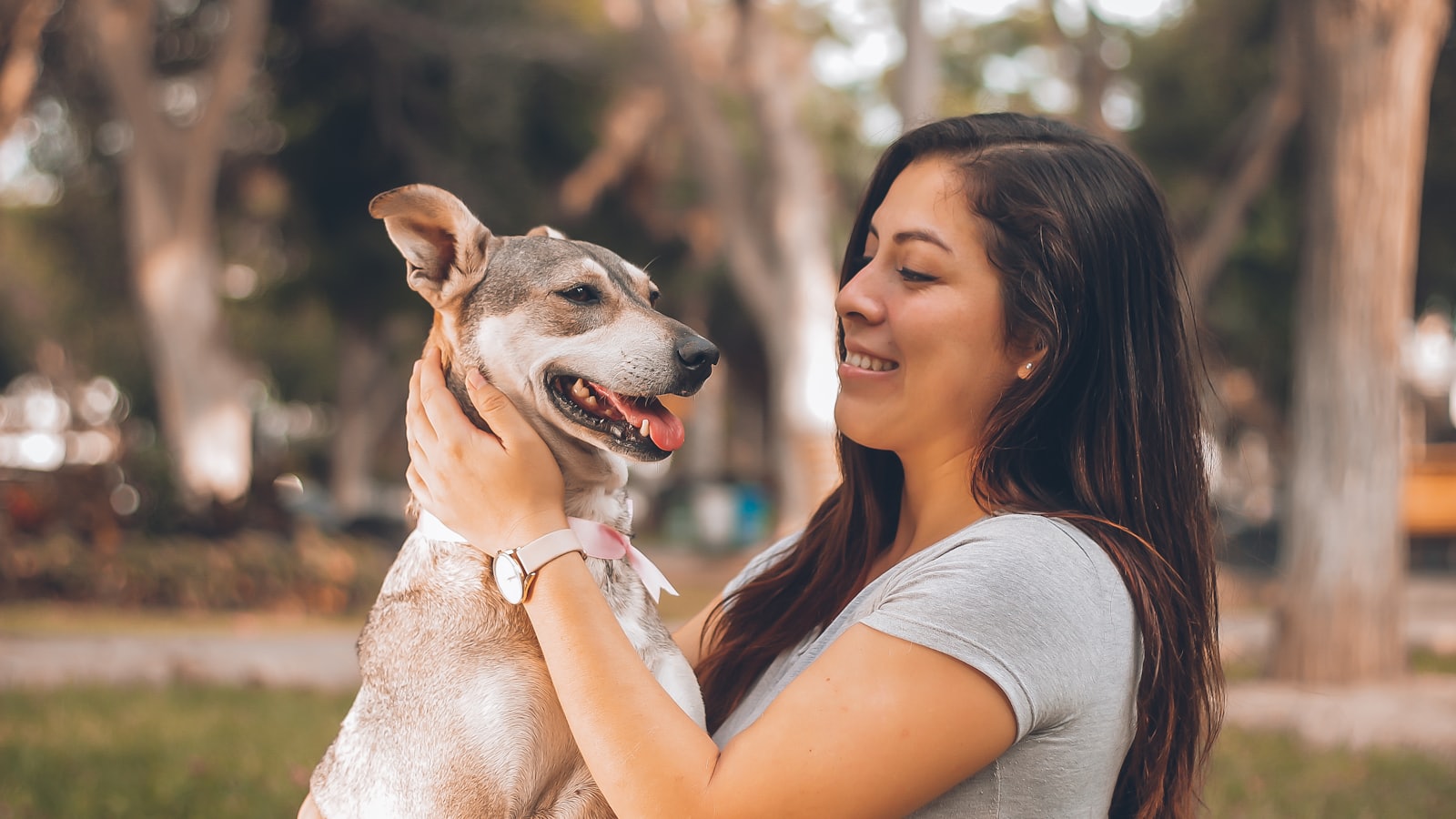
Comfort and mobility at home
Small changes add up: rugs or runners on slick floors, a supportive orthopedic bed, ramps for the couch or car, and keeping your dog lean to spare the joints. Keep exercise regular but gentler — shorter, more frequent walks beat weekend warrior sessions.
Watch, don't diagnose
New lumps, increased drinking or urinating, appetite or weight changes, confusion, or a sudden drop in activity all deserve a vet conversation — not a home diagnosis. Your job is to notice and report the pattern early; your vet's job is to interpret it.
🚨 Call Your Vet ASAP If…
- A new or growing lump, or a wound that won't heal
- Noticeably increased drinking, urinating, or a sudden change in appetite or weight
- Trouble rising, sudden weakness or collapse, or new disorientation/night restlessness
- Labored breathing, persistent cough, or a swollen, hard belly
This article is for education — it isn't a substitute for veterinary care.
🗓 This Week's Plan
- Days 1–2: If it's been over 6 months since a checkup, book a senior wellness visit and ask about baseline bloodwork.
- Days 3–4: Do a home comfort pass — runners on slick floors, check the bed, add a ramp where your dog struggles.
- Days 5–7: Log a morning First-Step Stiffness Score each day; bring the trend (and a gait video) to the vet.
Start a Senior Health Journal in Pak Social
Log a daily First-Step Stiffness Score, weight, and any changes, and get a nudge at the six-month mark. You'll spot slow declines early — and give your vet exactly what they need.
Get Pak Social — Free ➡️ Up nextArthritis and Mobility in Older Dogs4 min read›