Teaching Wait: The Pause Button That Changes Everything
Not stay — wait. A five-second pause at doors, bowls, and car hatches that prevents bolting, crashing, and chaos. Small cue, huge dividends.
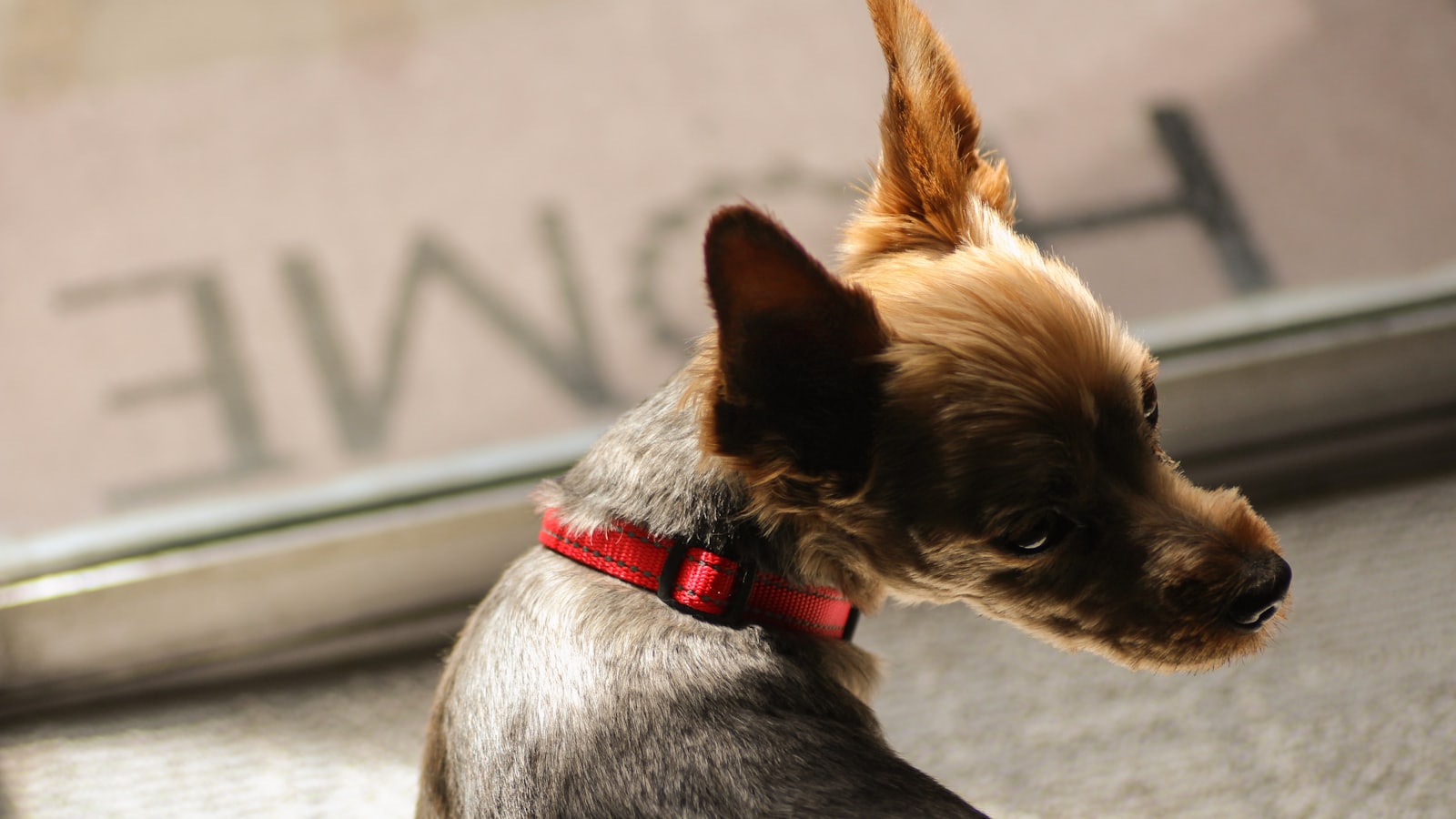
The front door opens six inches and your dog hits it like a linebacker — out into the yard, the street, the wide dangerous world, before your "no!" has left your throat. Now the counter-scene: door swings wide open, dog stands at the threshold, ears up, waiting… until you say "okay!" That pause is not a stay. It's wait — a lighter, faster cue that means "pause until released" — and it's the difference between doorways being a hazard and doorways being a habit.
Wait isn't stay. It's a pause button — and pause buttons save lives at doorways.
📋 Quick Read
- Wait and stay are different tools: stay means "hold this exact position until I return"; wait means "pause right there until released." Wait is looser, faster, and used fifty times a day.
- The door itself is the teacher: door opens an inch — dog surges — door closes. Dog pauses — door opens wider. The environment delivers perfect, instant feedback.
- Wait installs at thresholds first (doors, crates, cars), then food bowls, then everywhere impulse meets opportunity — it's impulse control woven into the architecture of the day.
- Broken pauses come in patterns — solid-at-a-crack means the increments got greedy, launching past family means the household isn't running the same physics, and a spring at your hand on the knob means your movement got hired as the release.
What you need
A leash — the non-negotiable safety net for every rep at a real exit, held loose and boring. The doors, bowls, and thresholds you already own — the environment is the equipment here. A release word chosen in advance and shared by the whole household. Treats are optional garnish; in this build the world does most of the paying, because the door opening is the paycheck. Two or three minutes at one threshold per session is plenty.
Let the door do the teaching
Leash on (safety net, held loosely), dog at the closed front door. Say "wait" once, then crack the door an inch. Dog surges? The door calmly closes — no scolding, no yank, just cause and effect. Repeat. The moment your dog hesitates instead of surging, the door opens wider; any pause holds, it opens fully; and then — this is the crucial beat — the release word ("okay!") happens before the walk begins. Most dogs decode the machine in one or two sessions, because the feedback is instant, consistent, and delivered by physics rather than by a frustrated human.
Bowls, crates, and car doors
Food bowl: "wait," bowl descends — if the dog lunges, the bowl rises; when they hold the pause, bowl lands and "okay!" opens the buffet. Crate and car doors run the identical script, and the car hatch may be the highest-stakes rep of all: a dog who explodes out of a hatchback in a trailhead parking lot is one distracted moment from traffic. In every setting the structure is the same three beats — cue, pause under provocation, release — and the provocation grows gradually: door open wider, bowl lower, hatch fully up, you stepping through the doorway first.
When to open the door wider
Provocation climbs on evidence: the door opens another inch when the current inch is boring, the bowl drops lower when the higher bowl draws a settled pause, and you step through first only when standing beside the doorway got no reaction. The tell is the weight, not the position — you're waiting for the chest to rock back and the muscles to unclench before a level counts as passed. A dog holding position on a hair trigger hasn't learned to wait; they've learned to crouch at the start line.
When a level blows — the wide-open door that undid a week of good inches — close it without ceremony and rewind to the widest opening that still buys calm. Two clean sessions there, then climb. The door has infinite patience, and borrowing some is the entire technique.
Release discipline: the invisible half of the cue
Wait is really two cues wearing one trench coat: the pause and the release. Guard the release like a currency — say it once, in a normal voice, and make sure it's your word, not your movement, that springs the dog (release while standing still sometimes, mid-step others, so they key on sound rather than choreography). Vary the wait length raggedly — two seconds, eight, three, fifteen — so the pause never has a predictable expiry. Within a few weeks the cue compresses into the household's rhythm: waits at every threshold, automatic pauses at the bowl, and a dog whose first response to an opening door is a glance at you. That glance is the linebacker, retired.
When the pause breaks
Wait fails at predictable seams, and each break tells you which piece needs rebuilding.
Solid at a crack, gone at full open. The most common wall, because a wide-open doorway is a different picture entirely. Go back to inch-by-inch opens with increments smaller than feels reasonable — six inches, eight, ten — and let the door's close be the only commentary. Stillness has to stay profitable at every width.
Waits for you, launches past everyone else. The cue trained; the household didn't. Every person who operates a door runs the same physics — pauses open it, pushes close it — or your dog correctly learns that the rule is a person, not a law. A week of everyone on the same script usually settles it.
The pause dissolves when the yard has content. A squirrel on the fence outbids a plain doorway every time. That's a provocation rung you haven't bought yet, not a broken cue — engineer easier versions (screen door shut, dull mid-day yard) and work toward the squirrel hour, paying the held pause with the very release it wanted.
Sits frozen and won't come through on the release. Too many closes, too few wins — the doorway drifted from exciting to suspicious. Swing the balance back: easier reps, cheerful releases, and a treat tossed through the doorway after the word, so coming through on cue is clearly part of winning.
Springs at your hand on the knob, not the word. Your choreography got hired as the release. Reach for the knob and don't open; touch it, let go, pay the held pause. Uncouple every piece of your movement from the ending until the word — and only the word — springs the dog.
Same pause, different dogs
Puppies can play the door game early, in puppy units — a one-second pause is a triumph, and the leash net matters double for a creature with zero road sense. Adult rescues with a bolting history need the stakes respected: run extra reps at interior doors first (bedroom, bathroom — where a blown rep costs nothing) before the front door goes live, and keep the leash rule absolute for months, not weeks. High-drive dogs meet their final boss at the car hatch — trailhead energy plus an opening door is the hardest rep in this lesson, so rehearse in the driveway dozens of times before the trailhead sees it. And in a multi-dog household, waits happen one dog at a time, released by name — which quietly turns every doorway into a name-recognition rep as well.
The pause that runs the house
Wait needs less formal upkeep than any cue in the program, because using it is maintaining it — a household that runs the door rule banks fifty reps a week without noticing. Keep the physics honest for life (pauses open doors; pushes close them), keep the release word crisp, and re-run the Full-Open Test at the front door and the car hatch every month or so.
And keep its lane clear. Wait is the pause button; Stay is the parked position held while you walk away — a different contract with its own lesson and its own build. Between them, your dog learns the two flavors of not-yet that a civilized household runs on. The linebacker stays retired, the glance at the opening door stays, and six inches of daylight at the threshold stops being an emergency and becomes a question your dog already knows the answer to.
- Front door, opened wide
- Crate door at breakfast energy
- Car door or hatch at the trailhead
- Food bowl lowered to the floor
- Gate to the yard
- You stepping through the doorway first
🗓 This Week's Plan
- Days 1–2: Door mechanics — leash on, inch-by-inch opens, door closes on every surge. Ten reps, twice daily.
- Days 3–4: Add the food-bowl wait at every meal and the crate-door wait every exit.
- Days 5–7: Car-door reps in the driveway, ragged wait durations, then the Full-Open Test at your two riskiest thresholds.
Start the Teaching Wait plan in Pak Social
Leash on, hand on the doorknob, one inch at a time — tonight. A week of honest thresholds and the linebacker becomes the dog who glances at you when the world opens up.
Get Pak Social — Free ➡️ Up nextTeaching Heel: Focused Walking as a Team Sport9 min read›