Teaching Heel: Focused Walking as a Team Sport
Loose-leash walking keeps the leash slack. Heel is the varsity version: your dog glued to your side, checked in, moving as your shadow — on request.
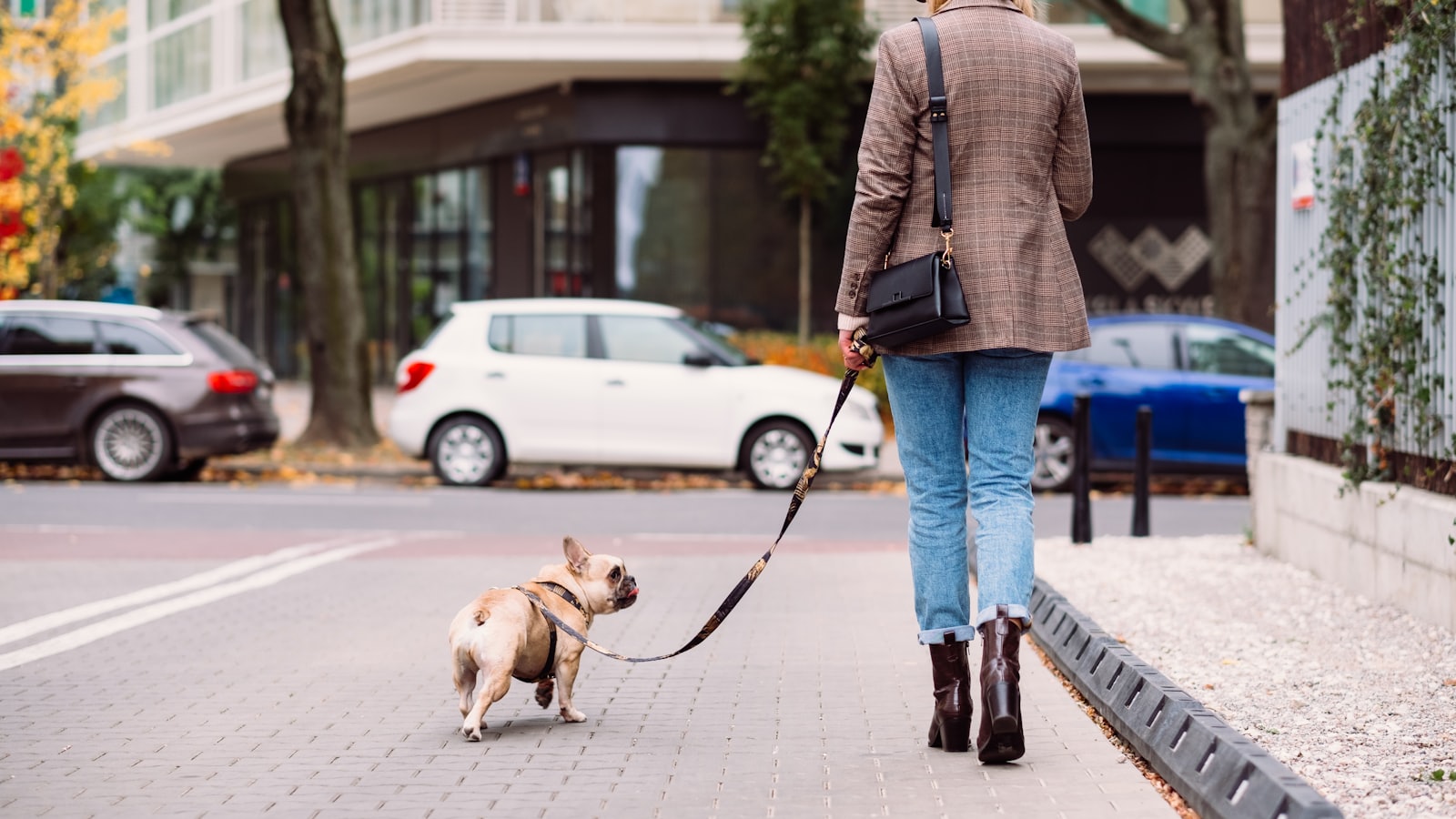
Crowded farmers market, narrow sidewalk, a reactive dog approaching on a too-thin path — these are the moments when "don't pull" isn't enough and you need your dog at your hip, eyes flicking up to you, matching your pace like a dance partner. That's heel. It's not how you walk everywhere (nobody needs a dog in formation for a whole sniffy stroll), it's a precision gear you shift into when the environment demands it — and dogs who know it love it, because heel done right is one of the most engaging games you'll ever teach.
Heel isn't a march. It's a duet — and your dog has to want the part.
📋 Quick Read
- Heel and loose-leash walking are different cues for different jobs: loose-leash is the default travel mode; heel is a short-duration precision position for tight, busy, or risky stretches.
- The position pays like a slot machine that always hits: your left pant seam becomes the most rewarding coordinate in the world, one treat at a time.
- Keep sessions tiny and fun — heel is cognitively expensive for a dog, and drilling it long turns the duet into a slog both of you dread.
- When heel wobbles — forging past the seam, wrapping toward the treat hand, driveway-perfect but sidewalk-gone — the fix is almost always the register: where, how often, and how richly the seam pays.
What you need
Heel travels light. A pocketful of tiny, soft treats — this skill pays often, so size them like coins, not cookies. A boring stretch of ground: hallway, garage, driveway. Your regular leash for when the game goes public — though in a true heel it hangs slack, decoration on a position your dog is holding by choice. A chosen side and the discipline to stick to it. And a five-minute cap you actually honor, because this is the rare lesson where doing less is the technique.
Charge the position before you take a step
Stand still, dog beside you on your chosen side (left is traditional; consistency matters more than tradition). Lure or hand-target them into position at your hip — the moment their shoulder lines up beside your leg, mark and feed right at your pant seam, treat delivered low so their head stays in position. Ten reps of just existing in the spot. Then one single step: dog moves with you to keep the position, mark, pay at the seam. The seam is the register — every payment happens there, so the position itself becomes magnetic.
Add motion like you're dealing cards
Grow from one step to three, five, ten — paying at the seam on a rich schedule, then a variable one. Add slow turns toward and away from the dog, pace changes, stops (a stop with an automatic sit is the classic finish). Talk to your dog; heel thrives on chatter and animation — you're the most interesting thing on the block or you're losing to the block. Keep entire sessions under five minutes. Two great minutes of duet beat twenty minutes of nagging, and ending while your dog is hungry for more is what makes tomorrow's session sharper.
Ready for the next verse
Read readiness in the quality of the duet, not the length of it. Ready looks like this: the shoulder stays welded to your seam through a slow turn in each direction, the check-in glances arrive unprompted, and the tail says your dog would vote for another round. When you're getting that picture on eight reps out of ten, raise one dial — more steps, a tighter turn, a pace change, or the first mild distraction. One dial. Heel has more moving parts than any skill in the foundation, which is exactly why you test them one at a time.
Hold — or drop back — the moment the picture dulls: a lagging head, glances that only follow the treat hand, position that dissolves on turns. None of that is defiance; it's the cognitive bill coming due. Make the next session shorter, brighter, and better paid at an easier level, and end on the best rep of the day. In heel, your dog's enthusiasm is the load-bearing wall. Protect it before you protect your step count. A week of short, sparkling sessions at an easy level will buy you more sidewalk than a month of grinding at a hard one.
Deploy it where it earns its keep
Once the duet is solid in the driveway, rehearse the real scenarios: shift into heel for the narrow bridge on the trail, past the construction site, through the café tables, alongside the stroller. Cue it, hold it for the stretch that needs it, then release to the loose leash with your word — crisp entries and exits keep the gear distinct. This is also where heel quietly becomes a safety tool: a dog who can lock into your hip past another dog's lunge zone is a dog you can take more places, more calmly, for their whole life.
When the duet goes off-key
Heel breaks in musical ways — timing, position, enthusiasm — and each has its own tune-up.
Forging — the shoulder creeping past your leg. Somewhere, payments started landing ahead of the seam, and your dog is commuting to where the money lives. Re-anchor the register: mark, then deliver at the seam or a touch behind it, and mix in a few unannounced turns away from your dog, so drifting ahead costs position instead of earning ground.
Wrapping in front of you, eyes drilling into the treat hand. The hand has become the show. Park it — at your waist or behind your back between payments — and make the sequence strict: the mark happens first, then the hand moves. A dog who learns that staring at hands earns nothing, while holding the seam makes hands appear, re-aims their attention at the position.
A trudge instead of a dance. Position without engagement — usually the bill for sessions that ran long or pay that went thin. Cut the session in half, raise the wage, add chatter, surprise jackpots, a jog-step or two. If heel isn't fun to teach today, skip it today; a stale session writes a stale association, and this skill lives or dies on wanting to play.
Crisp in the driveway, gone on the sidewalk. The real world bills at real-world rates. Shrink deployed stretches to three steps, pay every one, and rebuild in the dullest outdoor spot available before you audition the farmers market. The Gauntlet Block is a graduation, not a starting line.
The release detonates — heel, then an explosion to the end of the leash. The contrast between duet and freedom has gotten too sharp, and the ending has become the point. Release into calm sniffing rather than a launch, alternate short heel stretches with stretches of easy walking so the gears swap smoothly, and now and then re-enter heel for two paid steps shortly after a release — so the cue stays live after freedom instead of meaning class dismissed.
Same duet, different partners
Puppies get the kindergarten version: three glued steps is a triumph, sessions run ninety seconds, and formal precision waits — you're building love of the position, and the attention span will grow into the skill. Adult rescues with a pulling habit should graduate loose-leash walking first; heel built on top of an active pulling career becomes a tug-of-war with extra steps. Get slack as the default travel mode, then add the precision gear on top.
High-drive dogs often fall in love with heel — it's a job with a fast pay cycle and a human's undivided attention, which is most working dogs' definition of heaven. Pay in their currency: fold in a quick tug or a release-to-sniff as the jackpot. Low-key or soft dogs need the opposite: lower criteria, a brighter voice, gentle and frequent seam payments, and no drilling ever. For this partner, the duet only works if the music stays light.
A gear you keep serviced
After the build, heel needs what any precision tool needs: occasional use and good pay. Deploy a few short, real stretches each week — the narrow aisle, the crowded corner, the pass-by that needs your dog's eyes on you — and pay them like they matter, because they do. In between, let the loose leash carry the walk; that lane belongs to sniffing and decompression, and keeping the two modes distinct is what keeps them both sharp.
Years from now, the cue should still produce the same small ceremony: the shoulder sliding into place at your seam, the eyes flicking up, the two of you briefly moving as one animal through whatever the world has put in the way. Keep the sessions short and the wage fair, and heel stays what it was built to be — not a march, but the best two minutes of teamwork on the block.
🗓 This Week's Plan
- Days 1–2: Charge the position standing still — ten seam-payments, twice daily. Then single steps.
- Days 3–4: Three-to-ten-step stretches with turns and stops; sessions capped at five minutes.
- Days 5–7: First real-world deployments on short stretches, then the Gauntlet Block. Log the Leash Calm Score after each walk.
Start the Teaching Heel plan in Pak Social
Ten treats at your pant seam tonight — no steps required. In two weeks you'll have a precision gear for the moments that need one, and a dog who loves shifting into it.
Get Pak Social — Free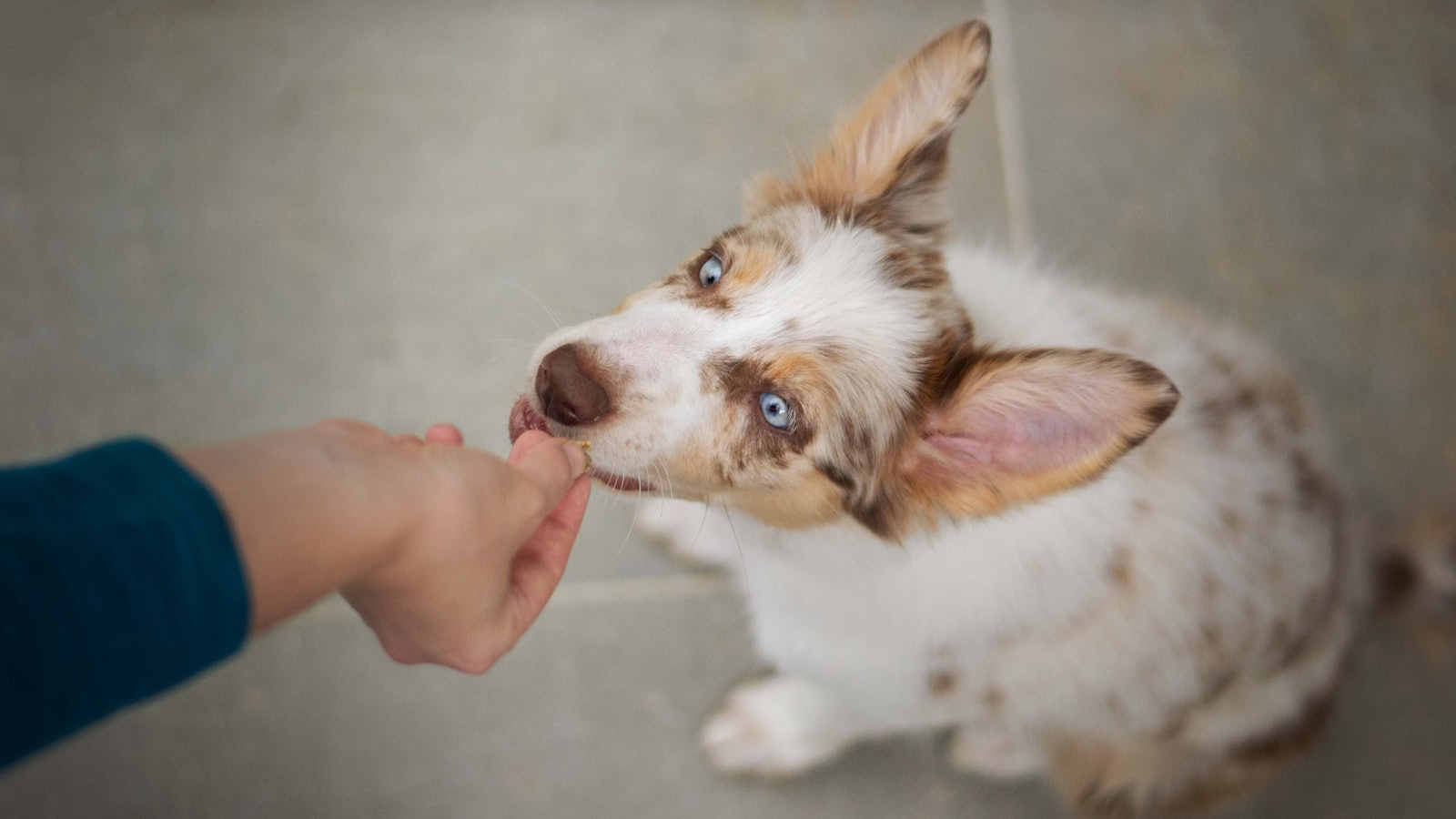 ➡️ Up nextTeaching Drop It: Building Trust Through Trading8 min read›