Teaching Speak: Barking on Cue
Teaching your dog to bark on purpose sounds backwards — until you learn it's the classic first move in teaching them to stop.
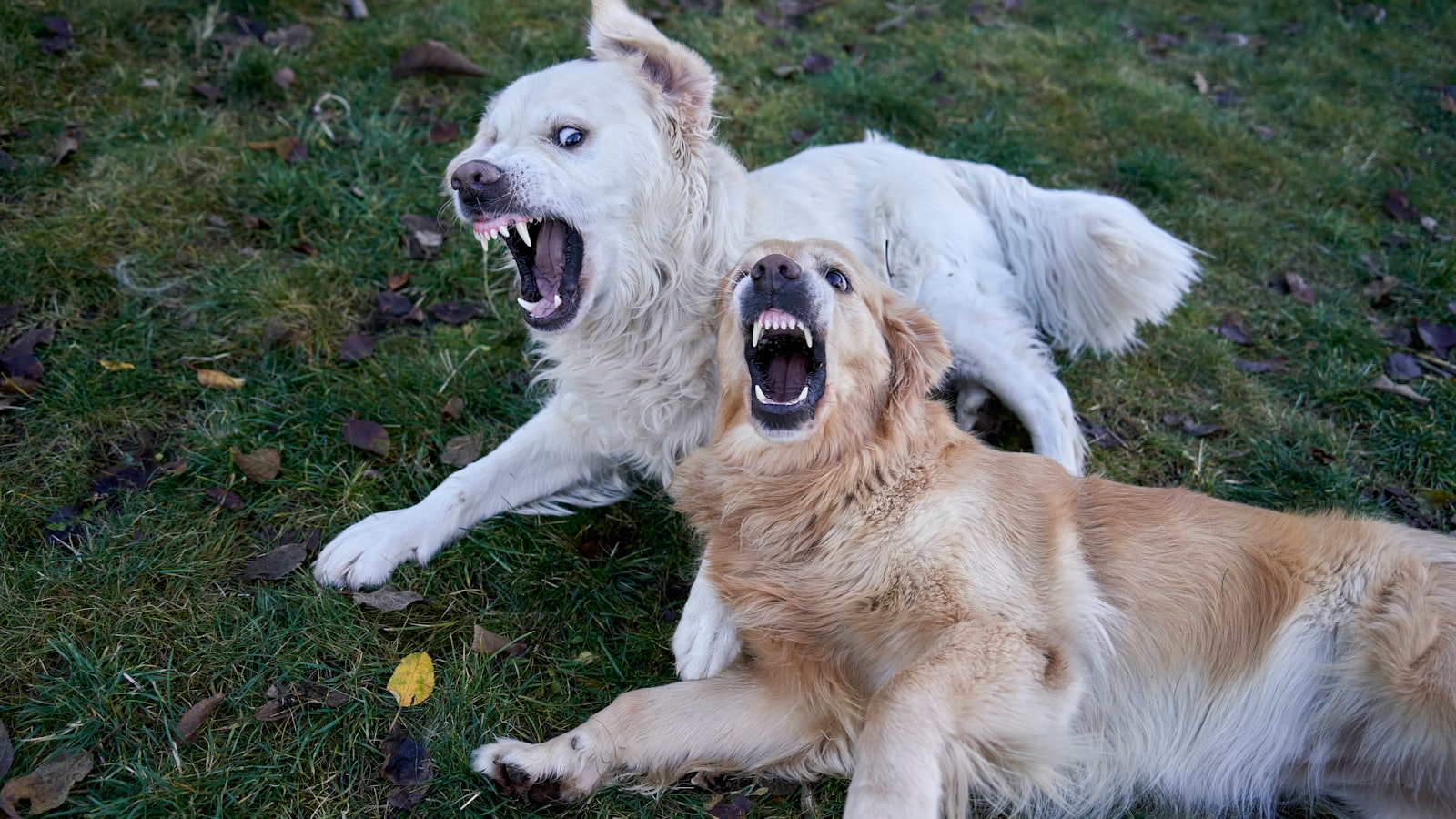
Telling people you're teaching your dog to bark gets you looks — like teaching a toddler to yell. But here's the trainer's paradox: a behavior on cue is a behavior under control. A dog who barks when asked has learned that barking is a thing with an on-switch — which means it can have an off-switch too. That off-switch ("quiet," next lesson) is dramatically easier to install once "speak" exists. Plus, honestly: it's a great trick, and watch-dog types adore having their voice officially licensed.
A bark on cue is a bark under management. You can't install an off-switch on a machine you can't switch on.
📋 Quick Read
- Speak is taught by capturing: trigger a natural bark (doorbell, your own excitement), mark the woof, pay it, and attach the cue once the pattern is fluent.
- Its real job is being quiet's setup: speak-then-quiet reps teach the contrast — noise on request, silence on request, both paid.
- Know your dog before enrolling: for an already-barky dog, teach quiet first and let speak wait; for a quiet dog, speak is pure enrichment and confidence.
- Stalls are standard — the buttonless dog, the seventeen-woof volley, freelancing that creeps back up — and each traces to a late mark or a payout leaking through a channel you forgot to close.
What you need
Speak needs less gear than nerve. Small treats you can deliver a beat after the woof — the pay has to land while the single bark is still the whole story. A marker word or clicker. A bark-button shortlist: a doorbell recording, a knock on the wall, a toy withheld just out of reach, your own willingness to get silly. And a neutral face for the freelancing phase — harder to keep than it sounds, and worth more than anything in the treat pouch. Sessions stay short; barking is arousing work, and the best reps come from the first few minutes.
Trigger, capture, pay
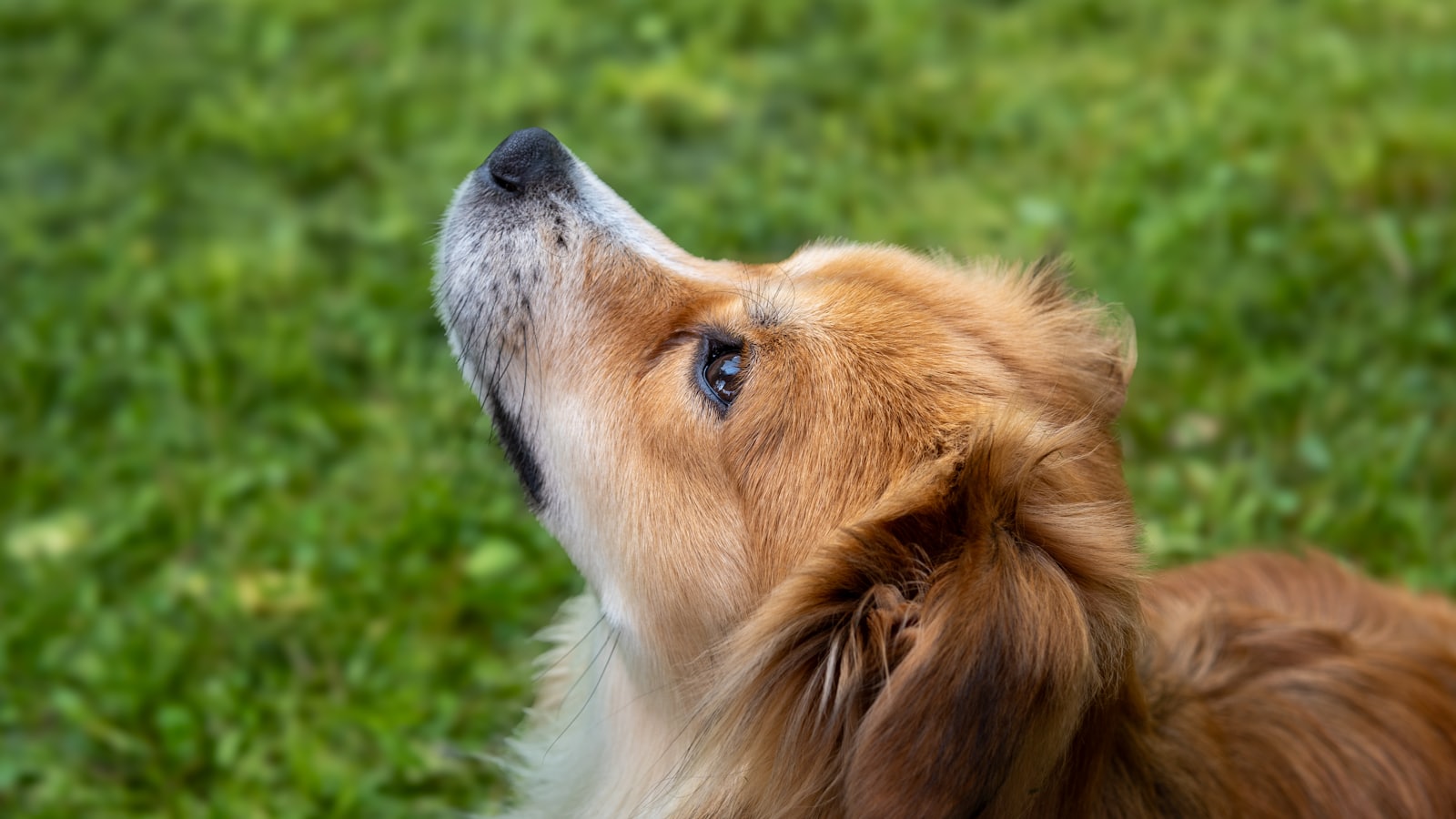
Find your dog's reliable bark button: the doorbell (a recording works), you play-bowing and getting silly, a knock on the wall, a favorite toy withheld just out of reach. Trigger it, and the instant the first woof fires: mark, pay, party. Repeat until your dog connects the dots — many start offering experimental woofs at you within a session, which is exactly the moment you want. Now put the trigger away and wait for an offered bark; pay those, and the behavior detaches from the doorbell and becomes a thing your dog does at you, on spec.
Attach the cue, then starve the freelancing
When offered barks are flowing, get ahead of them: say "speak" (or use a hand signal — mouth opening and closing like a duck is the classic) just before the bark you can see loading, then mark and pay. Once the cue reliably produces the woof, the second half of stimulus control begins: uncued barks at you stop paying entirely — no treat, no eye contact, no reaction. Cued barks keep earning. This asymmetry is the entire discipline of the trick: your dog learns that the bark is a paid gig with a booking system, not open-mic night.
The four gates
The build passes through four gates, and each opens on evidence. Captured: the trigger reliably produces a paid woof — this gate often opens within a session. Offered: with the trigger retired, your dog proposes barks on spec and you pay them — the behavior now belongs to the dog, not the doorbell. Cued: "speak" placed ahead of the loaded bark starts producing the woof on its own — and the real test is a woof from a calm dog, not just a wound-up one. Polished: one crisp bark per cue, freelance barks earning nothing, and the Booking-System Test passed.
The hold rules are simple. A cue that only works on a wound-up dog hasn't finished attaching — go back to capturing offered woofs and keep sliding the word in just ahead of the loaded bark until it works from calm. And no gate is held open by yesterday's performance: two sloppy sessions in a row means the previous gate wants another visit.
When speak stalls
Speak is a cheerful trick with a few well-worn potholes.
No bark button works. Some dogs are genuinely quiet, and that's a temperament, not a defect. Hunt longer — different recordings, sillier play, a more maddening withheld toy — and pay the near-misses: a grumble, a huff, a squeaky almost-woof is a first installment you can shape upward. If the voice never comes cheaply, let the trick go without guilt; speak is enrichment, and there are other tricks.
One cue, seventeen woofs. Your mark is landing late, so the dog is selling you the album instead of the single. Mark the first woof — during it, ideally — and pay fast enough to close the mouth. If volleys keep winning, the session has run long and the excitement is doing the barking: end on an easy rep and shorten the next one.
Fluent at 7 p.m. zoomies, mute at breakfast. The cue attached to the mood, not the word. That's the wound-up-only pattern from the gates: rebuild from calm captures, cueing ahead of soft, offered woofs until the word alone can pull one from a dog lying on the kitchen floor.
Freelance barking is up, not down. Then somewhere, freelancing still pays — a laugh from the couch, eye contact, even an exasperated sigh reads as a payout. Audit every channel, not just the treat one. The booking system works airtight or not at all: wait out the noise, cue a proper rep, pay that.
The trick is lovely; the real doorbell is still chaos. As it will be — the recording was practice volume, and the actual doorbell is an alert trigger, not a cue. That territory belongs to the quiet lesson's toolkit, and speak never claimed it. What speak contributes is the switch, and the switch gets installed next door.
Same trick, different dogs
Shy, soft-spoken dogs are speak's best customers — the quietest experimental woof deserves the biggest party, because what you're really licensing is the confidence to make noise on purpose, and it tends to spill generously into the rest of their training. Watch-dog types adore the gig but escalate fast: keep sessions brief, hold the single-woof standard strictly, and quit while the body language is still loose and playful. Puppies can learn it as pure fun — low arousal, tiny sessions, no stakes. The already-barky dog's enrollment question is real, though, and the next section settles it.
The handoff to quiet — and who should skip speak entirely
With speak fluent, you own both ends of the switch, and the next lesson (Teaching Quiet) installs the off position: cue the bark, then cue "quiet," pay the silence, repeat until silence-on-request is as fluent as noise-on-request. Be honest about enrollment, though: if your dog already barks at everything with great satisfaction, speak is a semester they don't need — go straight to Quiet and its management toolkit, and come back for speak once the volume is under control. Speak is for the quiet-to-moderate dog: enrichment, confidence (soft-spoken and shy dogs often bloom when their voice gets licensed), and the setup move for total switch ownership.
The trick that keeps earning
Once quiet is installed, speak stops being a semester and becomes a maintenance tool: a few speak-then-quiet reps a month keep both ends of the switch oiled, and that contrast drill is the single best rehearsal for the day a real trigger tests the off-switch. The booking system, though, never retires — one paid freelance bark reopens open-mic night, so cued barks earn for life and uncued ones never do. Kept that way, speak stays what it was always meant to be: a great party trick with a serious day job.
- My dog barks rarely or moderately, not constantly
- Barking isn't currently a neighbor complaint
- I can trigger a bark on purpose (doorbell, play)
- I'll hold the line on not paying freelance barks
- I want the speak-quiet switch, not just the trick
- No scared or reactive barking mixed in (that needs different work)
🗓 This Week's Plan
- Days 1–2: Find the bark button; capture and pay first woofs only.
- Days 3–4: Shift to offered barks, then attach the cue ahead of the loaded woof.
- Days 5–7: Enforce the booking system — cued barks pay, freelance barks don't. Run the Booking-System Test.
Start the Teaching Speak plan in Pak Social
Ring the doorbell, pay the woof, and take control of the on-switch tonight. Next lesson installs the off-switch — the one the neighbors will thank you for.
Get Pak Social — Free ➡️ Up nextTeaching Quiet: Bark Control Without the Battle9 min read›