Teaching Quiet: Bark Control Without the Battle
Yelling "QUIET!" at a barking dog is just joining the chorus. Here's the cue that actually turns the volume down — and the detective work that keeps it down.
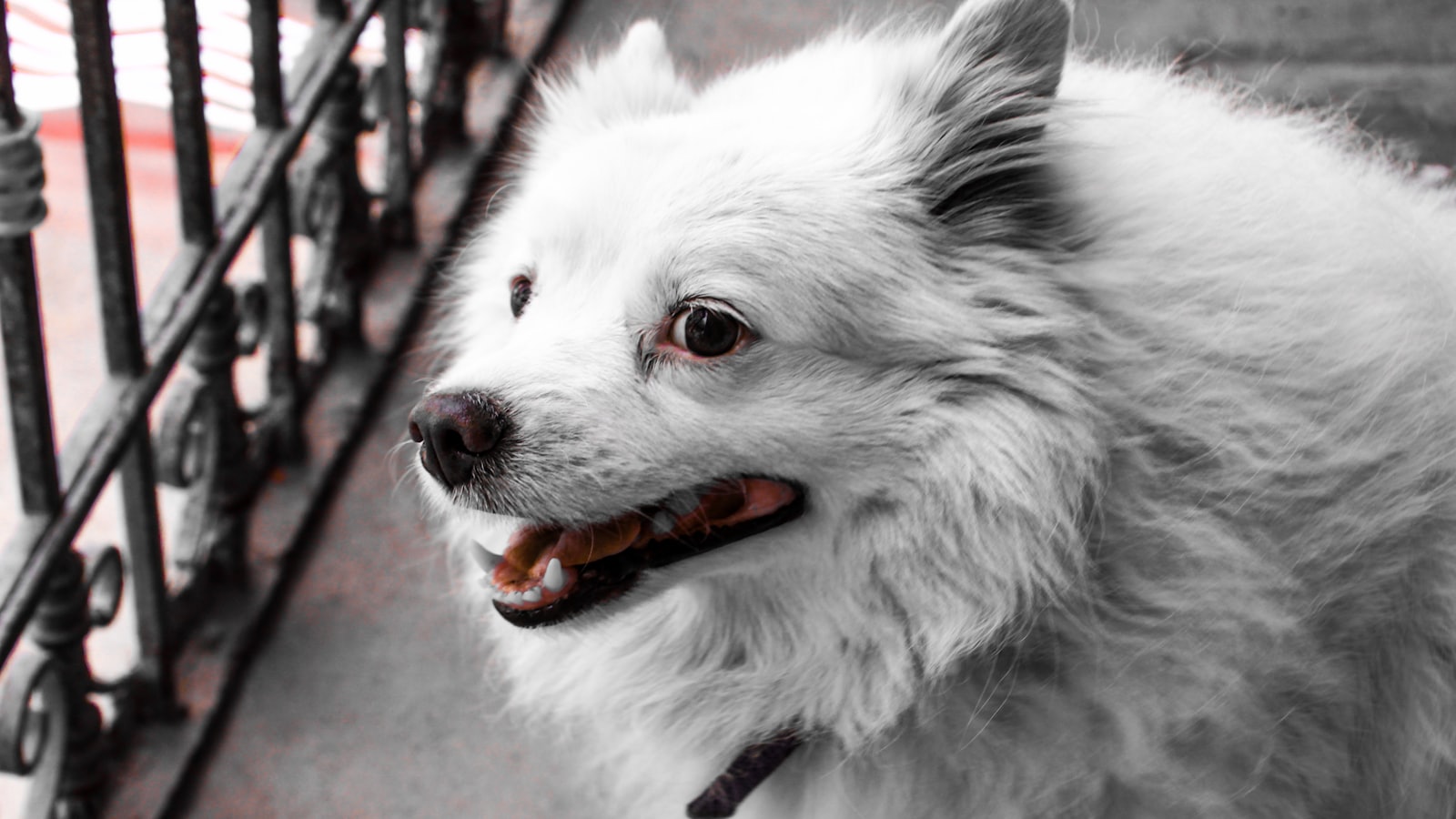
The delivery truck idles outside and your dog is giving it everything — full voice, front paws on the windowsill, twenty seconds past reasonable. You yell "QUIET!" and to your dog, congratulations: the pack has joined the alarm. Now you're barking together. Real quiet training works differently — it pays silence instead of fighting noise, and it starts with a question most owners skip: what is the barking for? Because a bored bark, a scared bark, and a "there's a truck!" bark are three different problems wearing the same soundtrack.
You can't out-shout a bark. You can only make silence the better-paying gig.
📋 Quick Read
- "Quiet" is taught in the gap: wait for (or engineer) a pause in the barking, name it, and pay it — silence becomes a behavior with a paycheck, not just an absence.
- Diagnosis beats suppression: alert, demand, boredom, and fear barks each have different fixes, and the wrong fix (like scolding a scared barker) makes the right one harder.
- Management is half the cure — window film, white noise, and exercise remove the triggers and the energy surplus that keep the barking funded.
- When the cue wobbles — big triggers blowing through, two-second silences, a louder-than-ever demand burst — each failure is an account still paying out somewhere, and the fix is closing it, not out-shouting it.
What you need
Quiet training travels light, but the kit matters. Soft treats you can deliver at the nose in under a second — the mechanics of the gap don't wait for you to unwrap anything. A marker word you already use. The bark log — three honest days of it, before anything else. And the management gear that does the unglamorous half of the job: window film for the front-facing glass, a white-noise source for hallway sounds, and a household agreement, signed by everyone with hands, that demand barking stops paying — because one soft-touch family member funds the account for the whole house.

First, play detective for three days
Before training anything, log the barking: when, at what, for how long, and what happens next. The patterns sort into functions fast. Alert barking (window, doorbell, truck) announces events and self-resolves when they pass. Demand barking (at you, at the treat jar, at the door) summons service — and somebody's been answering. Boredom barking is rhythmic, aimless, often when alone. Fear barking comes with backing up, tucked tail, hard staring — and it's not a quiet-cue problem at all; it's a confidence problem (the Socialization lesson's territory, and sometimes a professional's). Three days of honest logging usually reveals that "my dog barks at everything" is actually one or two specific, fixable accounts.
Teach the gap, then stretch it
For alert and demand barking, install the cue in the gaps. When the barking pauses — even for a breath — mark, say "quiet" softly, and deliver a treat right at the nose (a dog eating cannot bark; the mechanics are on your side). Repeat across episodes: bark-bark-pause → "quiet" → pay. The cue soon predicts the pause, and you can start cueing slightly earlier, catching the bark mid-wind-up. Then stretch: one second of silence before pay, then three, then five — raggedly, so the endpoint stays unpredictable. If you built speak first, run the full switch drill: "speak" (woof, pay), "quiet" (silence, pay), alternating until both directions are crisp.
When quiet is ready to level up
The cue earns bigger challenges the same way it was built: on evidence. On mild triggers, "quiet" should be landing within a couple of seconds, the silences should be stretching raggedly toward ten, and the random no-bark jackpots should be flowing. That's a cue with a foundation — now add one notch of difficulty, which usually means a slightly bigger trigger at a slightly bigger distance, never both at once.
The hold rule: a big trigger that blows through the cue isn't a failed dog, it's a mis-priced rep — the cue was installed on easy barking first for a reason. Let window film and white noise keep shrinking the hard triggers while the cue keeps cashing easy ones, and close the gap between them over weeks. The Truck Test is the graduation exam, and it's pass-when-ready, not pass-by-Friday.
Close the accounts that fund the barking
Now the function fixes. Alert barkers: manage the stage — window film on the front-facing glass, white noise for hallway sounds, and thank-you protocol (calmly acknowledge, "quiet," pay, done; some dogs genuinely settle once the report is received). Demand barkers: the service window closes — barking summons nothing, ever, while sits and silence summon everything (expect an extinction burst: it gets louder before it quits; hold the line). Boredom barkers: the fix isn't a cue at all — it's the Daily Walks and Scatter Feeding lessons, because a spent dog has less surplus to shout with. And any bark pattern that changes suddenly, or comes with pacing, panting, and distress when alone, is worth both a vet conversation and a look at the separation-anxiety playbook — that's suffering, not noise.
When quiet breaks
Quiet fails on a schedule of its own, and every failure is an account still paying out somewhere.
Works on hallway sounds, dies on the delivery truck. The truck outranks the paycheck at this distance — a pricing problem, not a defiance problem. Add distance, manage the window, and keep drilling the mild stuff; the heavyweight triggers are earned late, not demanded early.
Quiet lands, encore two seconds later. Completely normal — the pause got paid, and your dog reasonably assumes the transaction is complete. Stretch the paid silences raggedly — two seconds, five, three, ten — so the endpoint stays unguessable and the encore stops booking itself.
The demand barking got louder this week. That's the extinction burst — the account being tested before it closes, and the most misread good news in dog training. It gets worse before it quits. Hold the line, keep paying sits and silence, and don't let day four convince you day one was wrong.
Quiet only works when the treat pouch is on. The pouch joined the cue. Stash pay around the house, deliver from pockets and countertop caches, and sometimes pay with life instead — attention, a toy, a released trot back to the window once the truck is gone. The cue should predict good outcomes, not one particular outfit.
Progress with you, chaos with everyone else. Somebody's service window is still open. The household agreement isn't a nicety — a demand bark that pays anywhere pays everywhere, so the whole house closes the account or nobody does.
Same cue, different barkers
The protocol flexes by function, and a few barkers need their own note. The fear barker stays out of this drill entirely — that's a confidence project, and leaning on a quiet cue there makes the right fix harder. The speak graduate has the cleanest road: run the switch drill hard, because a dog who owns both cues owns the discrimination — and if your moderate barker hasn't met speak yet, that lesson is the easier on-ramp. The under-exercised barker needs the surplus spent before any cue can compete; the walks-and-scatter-feeding fix isn't a suggestion, it's the foundation. And the soft, sensitive dog gets the cue at a whisper with body language to match — quiet, it turns out, is taught quietly.
Quiet for the long haul
Maintenance is mostly bookkeeping. The random silence jackpots continue forever, on a schedule no dog could predict, because silence that pays occasionally stays a behavior instead of fading back into empty air. New triggers get the old treatment — three days of logging, sort the function, match the fix — rather than a panicked return to shouting. The doorbell-and-guests scenario is the thank-you protocol with an audience: acknowledge the report, cue once, pay the disengage. And when life redraws the map — a new delivery route, a new neighbor's dog, a move — expect the accounts to try reopening, and close them the same way you did the first time. The neighbors won't send a thank-you card. The silence is the card.
🗓 This Week's Plan
- Days 1–3: The bark log — every episode, trigger, and payoff. Sort into functions.
- Days 4–5: Install the gap-pay quiet cue on your dog's main function; start the management fixes (window film, service-window closure).
- Days 6–7: Stretch silences raggedly, add random quiet jackpots, and run the Truck Test.
Start the Teaching Quiet plan in Pak Social
Start the three-day bark log tonight — the pattern it reveals is half the cure. Then pay the first gap, and let silence start out-earning the soundtrack.
Get Pak Social — Free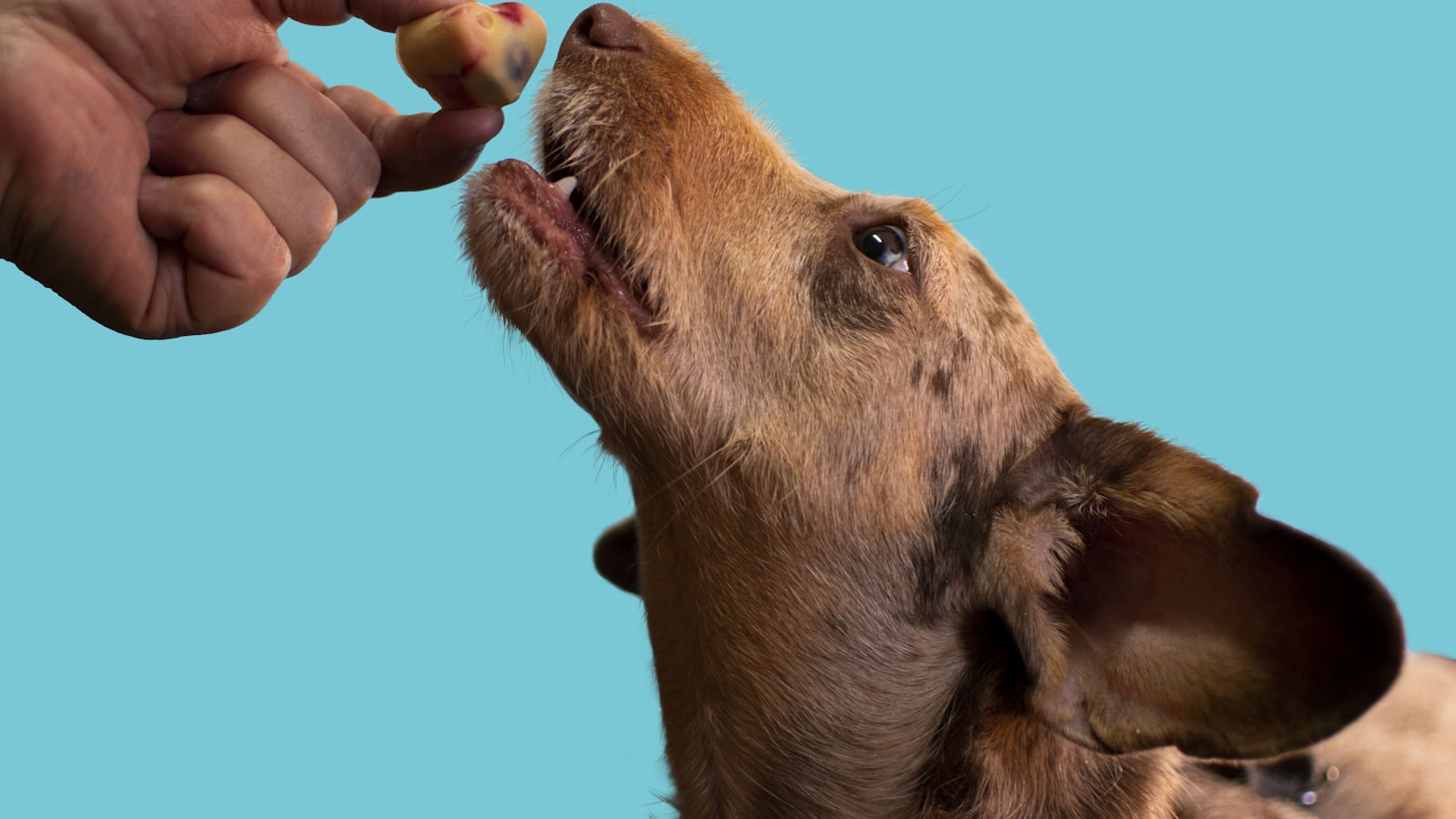 ➡️ Up nextFoundational Obedience: The Complete Starter Guide10 min read›