Teaching Shake: Paw Training That's More Than a Trick
Yes, it's adorable. It's also a gateway: to nail trims, paw exams, trick-title momentum, and a dog who's learned that offering behaviors is how you win.
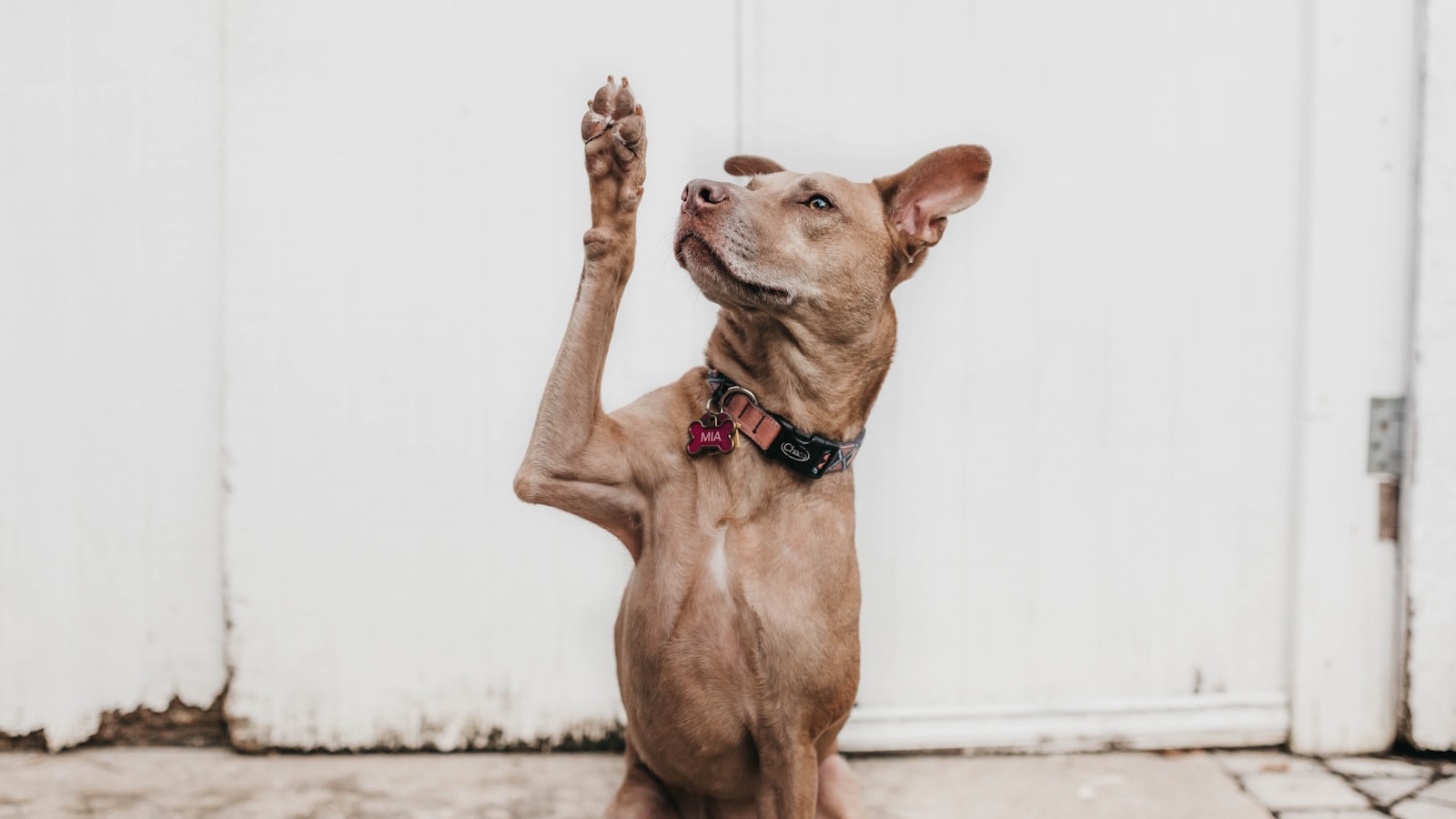
"Shake" gets filed under party tricks, right next to the bandana. File it better: the dog who cheerfully slaps a paw into your palm is a dog who has volunteered their foot — the same foot you'll need for nail trims, burr removals, and vet exams, offered instead of surrendered. And the training itself teaches something bigger than the trick: your dog discovers that experimenting on you pays, and dogs who experiment learn everything else faster.
Shake isn't the trick. The trick is a dog who hands you their paw on purpose — and likes it.
📋 Quick Read
- Most dogs teach themselves shake in minutes: a closed fist with a treat inside gets pawed at, and paying the paw-touch is the whole first lesson.
- The stealth payload is paw-handling consent: a strong shake history makes nail trims and paw exams dramatically easier — the foot arrives pre-volunteered.
- Trick training is training training: every trick taught with shaping and capture makes the next behavior faster to teach, because the dog has learned how to learn.
- When shake misfires — the paw that slaps everything, the lift that stalls an inch off the floor — each pattern is feedback about the pay, not a flaw in the dog.
What you need
Almost nothing — this is the lowest-equipment build in the series. A pouch of small, soft treats your dog genuinely rates, because your fist is about to become a vending machine. Your own two hands — one to hide the treat, one to pay from. A quiet floor spot where you can sit facing your dog at paw height. And five minutes at most — shake is built in sessions short enough to end on a great rep.
Let the paw teach itself
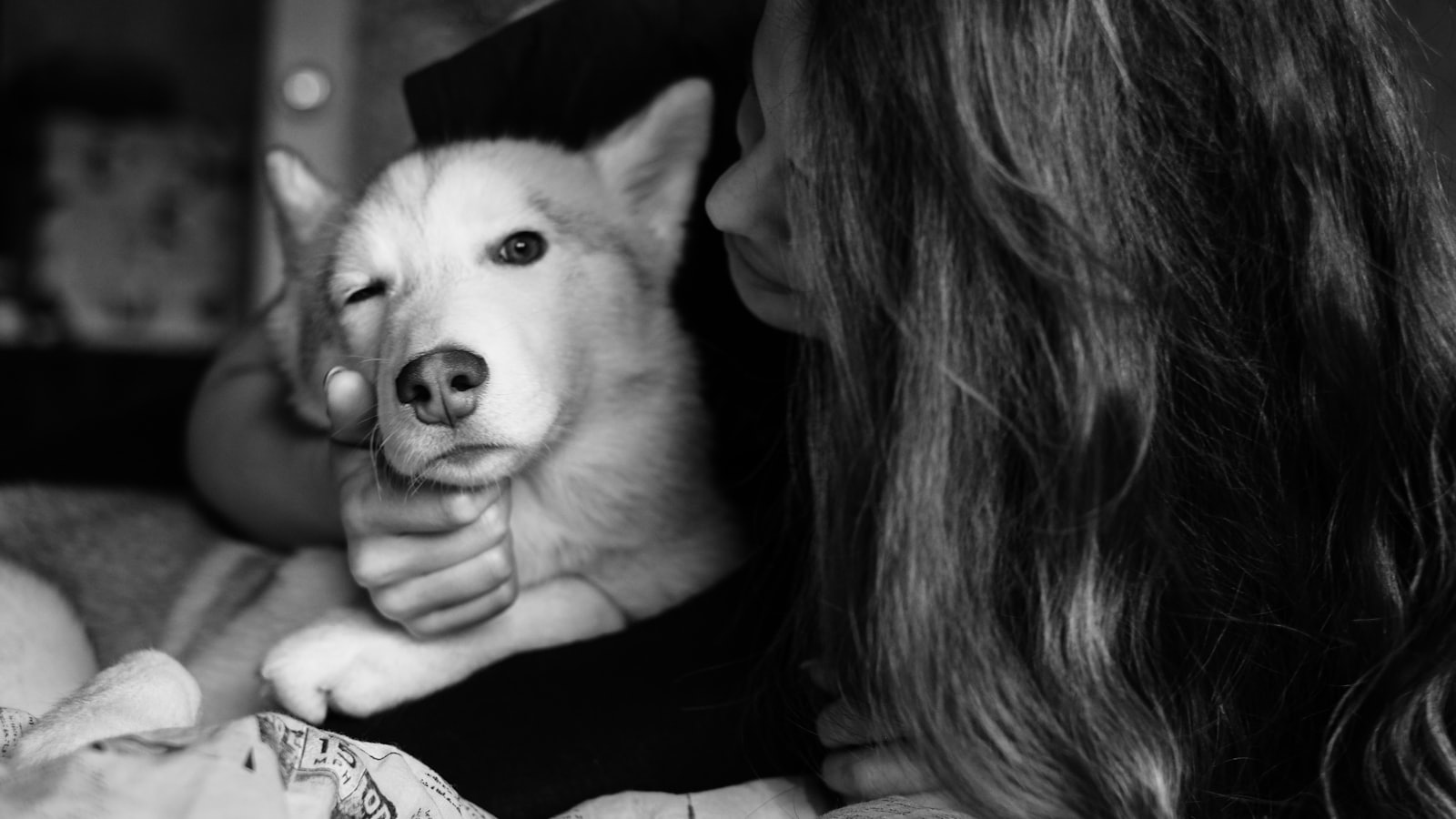
Sit facing your dog, treat sealed in your fist, fist offered low at chest height. The dog licks, nibbles, stares — say nothing. Sooner or later frustration produces the experiment you want: a paw swipe at the fist. Mark it, open the hand, pay. Within a session or two the paw comes fast; now hold an empty fist, pay from the other hand, and start requiring a beat of paw-on-hand contact rather than a drive-by swipe. If your dog is a licker, not a pawer, tilt the odds: hold the fist slightly to the side and low, or rest it on the floor — geometry recruits the paw.
Name it, then make it civilized
When the paw-plant is reliable, cue "shake" just before the fist appears; soon the word alone raises the paw. Then polish: an open flat palm instead of the fist, a gentle beat of held contact, the other paw on a different cue ("other one" — dogs differentiate happily), maybe a raised high-five variant for the crowd. Keep every rep breezy — this is the fun wing of the curriculum, and its whole value depends on staying that way. Sessions of five reps, quit on a great one, never drill it into a chore.
When to promote the paw
The ladder runs fist-with-treat, empty fist, flat palm, word alone — and every rung has the same toll: eight clean reps out of ten before you move up. Ready looks unmistakable: the paw arrives fast, lands soft, and stays a beat without your hand chasing it. Drive-by swipes, long pauses, a dog cycling through their whole menu of other behaviors first — those mean the rung isn't paid off yet. Stay and keep capturing; there's no prize for rushing a trick whose entire value is that the dog loves it.
The transitions are where the wobbles live. Moving to the empty fist, keep everything else identical — same height, same angle, same seated position — and pay from the other hand the instant the paw lands. Moving the word out front, say it a beat before the hand appears — word, pause, hand — until the sound alone starts lifting the paw. And when any rung wobbles, drop down one, collect two easy wins, and climb again. The ladder is short; your dog will forgive you for walking it slowly.
One more gate worth honoring: the mood gate. Shake only earns its keep if every rung stays a game, so promote on enthusiasm as much as accuracy — a technically correct paw from a flat, dutiful dog is a rung failed on the metric that matters. If the sparkle dips, shorten the session, fatten the pay, and end on the easiest rep in the building. You're not just teaching a trick; you're teaching your dog that training itself is the best game in the house, and that lesson outlasts any single rung.
When the paw goes rogue
Shake fails in cheerful, predictable ways. None of them is a verdict — each is feedback about the pay, and each has a small fix.
The paw slaps everything, all day. Your arm, your laptop, a visitor's knee — you built a money-maker and your dog is out here making money. That's success with the volume too high. Stop paying uncued paws entirely (ignore them warmly — no scolding, since attention is a paycheck too), keep paying the cued ones generously, and the freelance swipes fade as the math sinks in.
The paw only lifts an inch, then stalls. Half a shake is a shake being born. Mark and pay the one-inch lift a dozen times, then hold out for two inches, then a paw that reaches your hand — you're shaping height one paid slice at a time. Lowering your hand helps as well: a paw travels farther toward a target with an easy route to it.
The paw lands like a karate chop. Claws, force, drama. Pay only the soft landings — the hard ones simply earn nothing — and present your hand a touch lower, since swipes get steeper the higher the target sits. Softness shapes just like height does.
Brilliant with the fist, baffled by the flat palm. The picture changed, and to a dog the picture is most of the cue — that's normal, not regression. Bridge it: a half-open hand for a session, then flatter, then flat, paying every landing along the way. Dogs generalize shapes slowly; give the geometry time to catch up.
The paw arrives and leaves in the same instant. Contact happened; duration didn't. Delay your marker by half a beat — mark the resting, not the landing — and keep your hand soft and still underneath. If the paw keeps bouncing, check whether your hand has been doing the grabbing; a paw that owns the contact is a paw that will learn to linger.
Same trick, different paws
Puppies pick this up absurdly fast — pawing at closed things is practically their job description — but sessions need to be tiny, and those needle-tipped claws will remind you why the soft-landing rule exists. Three reps, party, done.
Adult rescues sometimes carry baggage on this exact body part: a dog whose feet have historically been grabbed for baths or clippers may hesitate to volunteer one. Don't reach, don't lift, don't coax the leg — just run the fist game with extra patience and let the paw arrive on the dog's schedule. The first voluntary swipe from a paw-guarded dog is worth ten from a puppy, and it's the whole reason this trick is taught by capture instead of hands.
Spend the dividends
Now cash it in. During calm evenings, cue shake and let the resting paw linger while you touch a nail, then pay big — you're bridging into the Handling lesson's territory with the dog leading. Shake also makes a brilliant public-relations cue: a dog who shakes with visiting kids (supervised, dog opting in) is doing a structured greeting instead of an airborne one. And if the trick bug bites, this is rung one of the AKC's trick-title ladder — spin, bow, roll over, and the rest come faster now, because your dog has learned the real skill: experiments on humans pay.
A paw for life
Maintenance costs almost nothing: a few cued shakes a week, paid with whatever's around, keeps the account open. The habit worth protecting is the nail-touch bridge — every calm evening you cue shake, touch a nail, and pay big, you're pre-funding the next trim, so treat it as a small standing ritual rather than a one-week project. And keep the used-car handshake banned forever; the day the paw starts predicting being squeezed is the day the offers dry up. Handled gently, this is one of the few tricks that improves with age — the more history the paw collects of good outcomes in your hand, the more casually it arrives, until the day the vet reaches for a foot and your dog beats them to it.
🗓 This Week's Plan
- Days 1–2: Fist game till the paw arrives; capture and pay every landing.
- Days 3–4: Empty fist, then flat palm; attach the cue; keep sessions to five joyful reps.
- Days 5–7: Add 'other one,' a beat of held contact, and the first nail-touch bridge reps. Finish at the Both-Paws Bar.
Start the Teaching Shake plan in Pak Social
One fist, one treat, five minutes on the living room floor tonight. You'll get the trick this week — and a dog who volunteers their feet for life.
Get Pak Social — Free ➡️ Up nextTeaching Speak: Barking on Cue8 min read›