Teaching Roll Over: Trust, Focus, and Fun
Belly-up on purpose: a trick that's equal parts crowd-pleaser, trust exercise, and a masterclass in breaking behaviors into tiny, winnable steps.
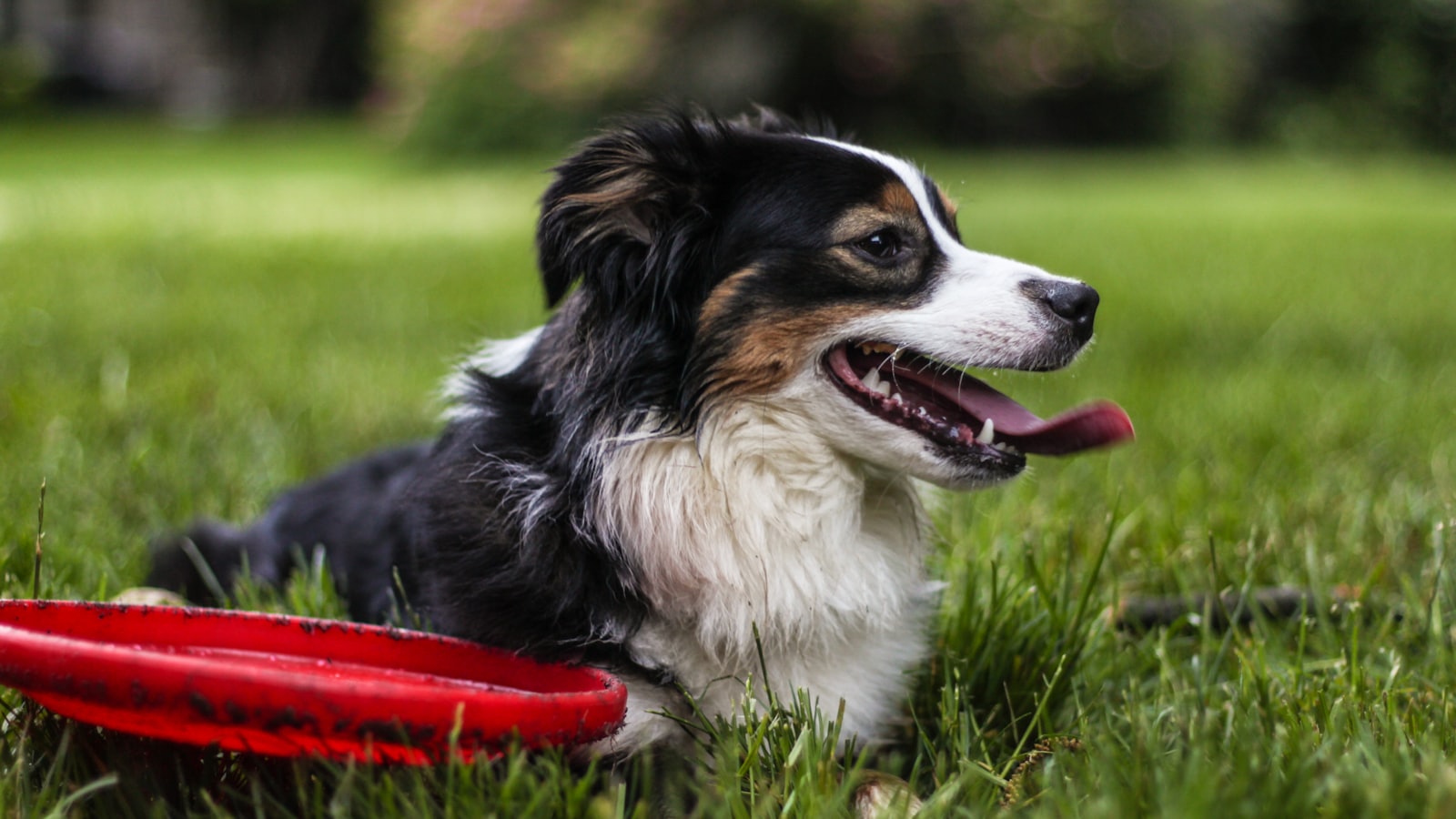
Roll over looks like one smooth motion in the movies. Try it cold and you'll discover the truth: it's a four-part gymnastics routine — down, hip-roll, shoulder-roll, and the flourish back to sphinx — and your dog has opinions about the belly-up part in the middle. That's exactly what makes this trick worth teaching: it's the series' friendliest introduction to shaping, the art of paying for pieces of a behavior until the pieces assemble themselves.
Roll over isn't one trick. It's four tiny tricks in a trench coat — and you pay for them one at a time.
📋 Quick Read
- The lure path is an arc: from a down, the treat travels from nose to shoulder blade (head turns, hip rolls), then across the backbone (dog rolls to the back), then onward until momentum finishes the turn.
- Belly-up is a vulnerable position — hesitation there is normal, not stubbornness. Soft flooring, a calm room, and paying the halfway points melt it; force cements it.
- Shaping is the real curriculum: mark-and-pay each installment (head turn → hip roll → back → full roll) and you're learning the technique that unlocks every complex behavior after this.
- The usual snags — the roll that parks flat on the side, the dog who only rolls one direction — are shaping information, not verdicts; each points at a smaller, better-paid installment.
What you need
A soft landing — carpet, a rug, or lawn; hard floor makes the whole negotiation worse. A calm, quiet room with no audience and no other pets. A fluent down to start from — that's the on-ramp, and if it's shaky, build it first. And a generous handful of small treats, because this trick pays by the installment and you'll be making a lot of small payments.
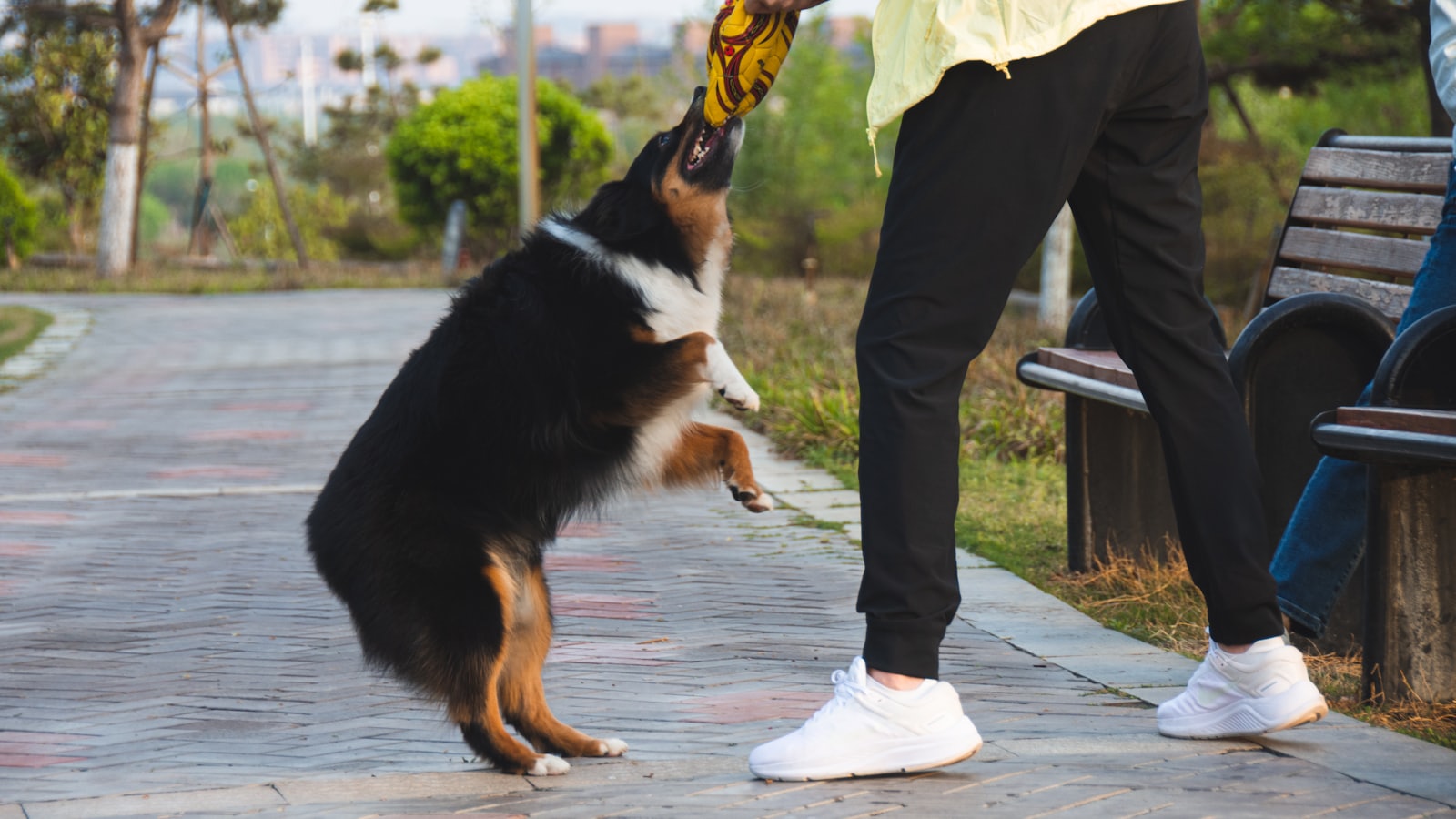
Stage it, then shape the first quarter
Soft surface (carpet, rug, lawn), calm room, a fluent down to start from. Kneel beside your dog and lure from the nose toward the shoulder blade — the head tracks around, and the body weight shifts onto one hip. Mark and pay that hip-roll a dozen times before asking for anything more; it's the foundation quarter of the arc. If your dog pops out of the down when the lure moves, slow the lure and pay smaller increments — even a chin-turn earns, early on. Sessions of five reps; this trick hates marathons.
Through the belly-up wall
Continue the lure from the shoulder across the backbone and most dogs hit the honest moment: flat on the side, one lure-inch from belly-up, suddenly hesitant. Respect it. Pay the flat-on-side position generously for a session or two, let the room stay boring and safe, and let your dog discover that the halfway point is a paid parking spot with no strings. Then resume the arc — usually the hesitation has quietly dissolved, and the first full flop-over happens almost by accident, chased by your jackpot. Dogs with sensitive backs, seniors, deep-chested breeds, or any dog who seems physically uncomfortable mid-roll get a pass on this trick entirely; there are fifty other tricks, and comfort outranks completionism.
Gates on the arc
Each quarter of the arc has its own graduation gate, and the toll is fluency, not a calendar: the current installment should be smooth, quick, and confident before the lure travels an inch further. Fluent looks loose — a head that whips toward the shoulder-lure, a hip that rolls without hesitation, a dog resetting eagerly for the next rep. Sticky looks like slow tracking, a stalled lure, or a dog leaving the down; all three mean the same thing. Shrink the ask and pay a smaller slice.
The endgame has gates too. Attach the cue only when the full lured rotation is smooth — a cue attached to a hesitant roll names the hesitation along with the roll. Fade the lure in shrinking arcs over sessions, and expect the signal-only version to wobble at first; one rep with the full lure resets it, no harm done. If any gate stays stuck for two sessions, drop back a quarter without ceremony. Nothing about this trick rewards hurry, and everything about it rewards a dog who's convinced each installment was their own excellent idea.
When the roll sticks
Roll over's snags are as predictable as its quarters. Each points at an installment that needs to be smaller, better paid, or both.
Parks flat on the side — and stays parked. The wall from the previous section, and the answer doesn't change: the halfway point stays a paid parking spot until it's boring. What owners misjudge is the timescale — some dogs need one session there, some need four, and the four-session dog isn't behind; they're just being more honest about what belly-up costs them. If parking stretches past a week with no movement at all, check the room, the surface, and your dog's comfort before you check your technique.
Only rolls one direction. Completely normal — dogs have a preferred side the way people have a dominant hand. Finish the trick entirely in the easy direction first, cue and all. If you want the mirror version later, start the shaping over from the head-turn and expect it to take nearly as long; to your dog's body it's a new trick, not a variation.
Pops out of the down the moment the lure moves. The lure is traveling too fast or too far — it reads as 'follow me somewhere,' not 'bend here.' Slow the hand, shrink the arc, and go back to paying the chin-turn. A few tiny, boring successes beat one dramatic escape.
Rolls beautifully on the living room rug, nowhere else. The rug joined the cue. Generalize gently and on purpose — a different rug, the lawn, a friend's carpet — each a small re-build with a lure or two, and always on surfaces that pass the softness test. Hard and slick floors stay off the tour permanently; this trick carries a surface requirement for life.
Throws the roll before you've asked. A dog flinging themselves belly-over at the sight of a treat has fallen for the trick — good sign, small problem. Pay only cued rolls from here, and give the enthusiasm somewhere legal to go by cueing a different behavior first. Uncued rolls fade fastest when they earn a friendly nothing and something else pays.
Same arc, different bodies
Puppies are usually the easy case mechanically — loose, bendy, built low — and the hard case attention-wise. Keep sessions to two or three installments and quit mid-giggle. Adult rescues may bring history to the belly-up quarter: a dog who's never had reason to trust hands while upside-down deserves extra sessions at every gate and an absolute ban on being touched mid-roll. Let the trust deposits accumulate at the dog's pace; that's the trick's real product anyway.
And the pass list deserves restating as policy rather than fine print: dogs with sensitive or long backs, seniors, deep-chested breeds, or any dog who shows discomfort mid-roll sit this one out entirely, with your enthusiasm redirected to bow, shake, or spin. If you can't tell whether you're seeing hesitation or discomfort, the distinction earlier in the lesson is the test — the stalled-but-curious dog is building trust; the scrambling or stiff dog is voting no. When in doubt, choose comfort and a different trick; that trade is never wrong.
Cue it, speed it, stage it
When the full rotation follows the lure smoothly, attach the cue — the word plus, if you like, a horizontal finger-twirl that will eventually carry the trick alone. Fade the lure over a few sessions (empty hand tracing a smaller and smaller arc, treat delivered after), then build a little speed and style: dogs who know the move well start throwing themselves into it with visible showmanship. Chain it into your trick routine — sit, speak, roll over, take a bow — and you've got a two-minute show that doubles as your dog's daily brain workout. And bank the meta-skill: the shaping muscles you just built are exactly what the next lesson's retrieval chains are made of.
Keeping the roll rolling
Maintenance is light: a few cued rolls a week inside your trick routine keeps the arc crisp, always on the soft surfaces the trick was built on. Watch quality over the years, not just compliance — a roll that turns slow or reluctant in a dog who used to fling themselves into it deserves a curious look and, if it persists, a vet conversation, because this is one of the few tricks that asks the spine for a real favor. Retired cleanly, the trick loses almost nothing: the shaping skills it taught you are permanent, and the trust it deposited doesn't expire. Plenty of senior dogs keep a dignified slow-motion version forever; plenty of others graduate to being the audience. Both are wins.
🗓 This Week's Plan
- Days 1–2: Stage and shape the first quarter — hip-rolls paid a dozen times per session, five-rep sessions.
- Days 3–5: Extend the arc to flat-on-side, park at the belly-up wall and pay it patiently.
- Days 6–7: First full rotations with jackpots, then begin the cue and lure-fade toward the Finger-Twirl Final.
Start the Teaching Roll Over plan in Pak Social
Carpet, calm room, one lured head-turn tonight. Four paid installments from now, your dog flips belly-up on a finger-twirl — and you'll both know exactly how you built it.
Get Pak Social — Free ➡️ Up nextTeaching Up: Controlled Surface Access9 min read›