Foundational Obedience: The Complete Starter Guide
Name, sit, down, stay, come, leave it, leash skills — the whole basic curriculum in one map, with the order that makes each skill easier than the last.
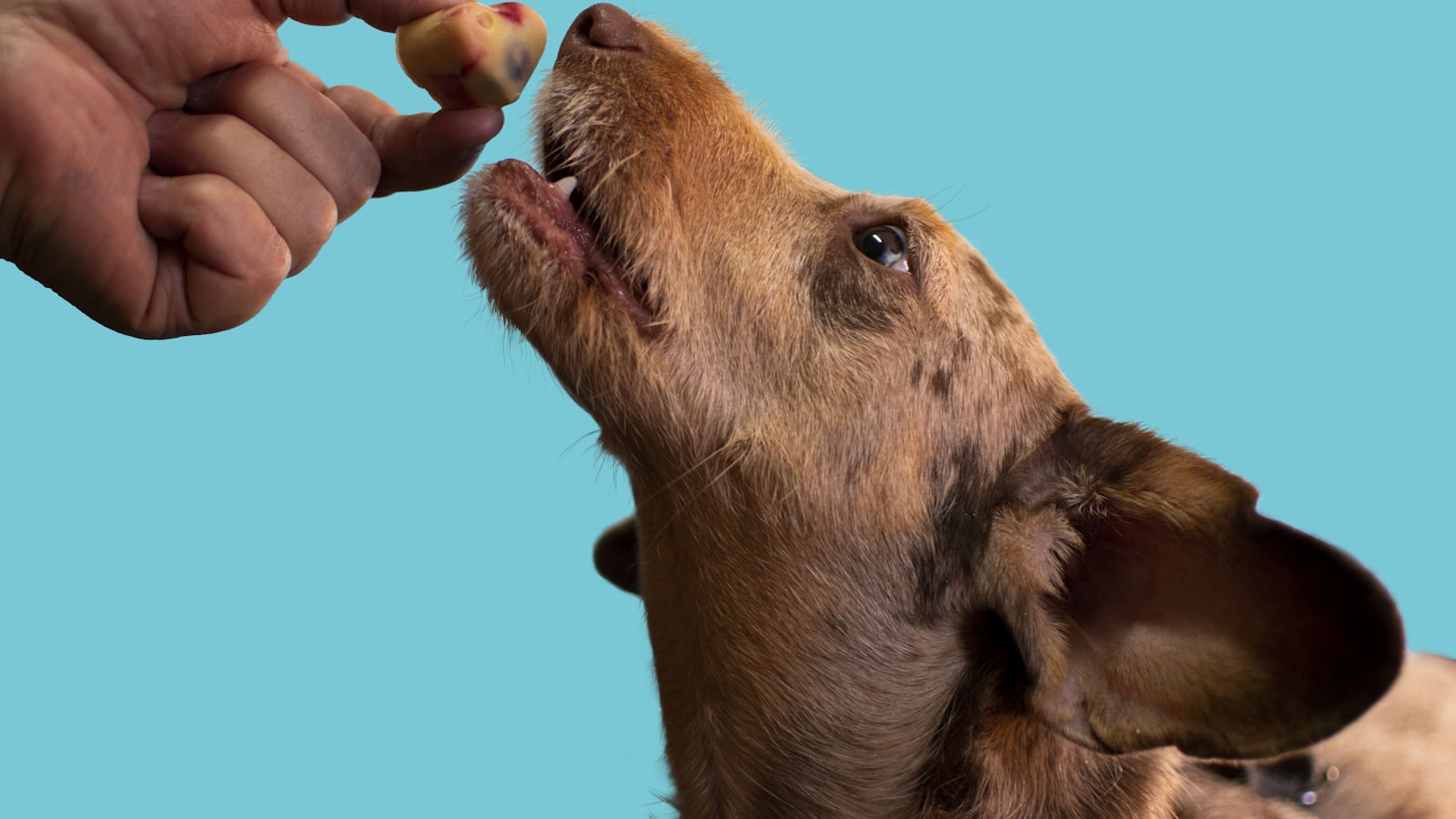
Every dog-training rabbit hole starts the same way: forty browser tabs, six contradictory methods, and a nagging feeling that everyone else's dog came with a manual. Close the tabs. Basic obedience is genuinely just seven or eight skills, they stack in a sensible order, and the whole foundation gets built in five-minute sessions over a couple of months. This is the map — what to teach, in what order, and why each skill makes the next one cheaper.
A trained dog isn't a hundred skills. It's eight skills, stacked in the right order, practiced five minutes at a time.
📋 Quick Read
- The stack has an order for a reason: name before cues (attention is the doorway), sit before stay (position before duration), leave it before street walks (self-control before temptation).
- Every skill runs on the same four-beat engine — mark the behavior, pay it, name it once it's fluent, then generalize it room by room. Learn the engine once and you can teach anything.
- Five minutes a day beats an hour on Sunday: dogs learn in short bursts, and the daily habit matters more than any single session's brilliance.
- Programs stall in predictable ways — three household rulebooks, maintenance-starved skills, the adolescent cliff — and every fix is smaller and more boring than you'd guess.
Learn the engine once
Every lesson in this program runs the same four beats. Mark: a crisp word ("yes!") or click at the exact instant the behavior happens — timing is everything, because the mark tells your dog which millisecond earned the money. Pay: a small, genuinely exciting treat, delivered fast. Name: only after the behavior is happening reliably do you attach the cue word — naming a half-formed behavior labels the mess. Generalize: rebuild the skill (quickly) in new rooms, then outdoors, because dogs don't transfer skills between contexts automatically. That's it. That's the engine. Every skill below is just this loop pointed at a different behavior.

What you need
The whole program runs on a short list. A marker — a crisp 'yes!' or a clicker, whichever your household will use consistently. Small, soft treats in real quantity — cut them pea-sized, because a good session is twenty or thirty paydays, not three big ones. Five minutes a day, honestly kept. A quiet room to teach in, and the rest of the house to tour. And a household on one page: same cue words, same rules, ideally posted where everyone can see them — a dog trained by committee learns whichever version pays best.
Weeks 1–4: the attention layer and the postures
Start with the Name Game (attention on request — the doorway skill) and Handling (touch tolerance — the quality-of-life skill), running both alongside your house-training and crate routines since those are schedules, not sessions. Add Sit in week two: lure the fold, fade the lure, name it, tour it. Down follows sit — harder because it's a vulnerable position, so it gets patience and a soft surface. Each of these has a full lesson in this series; the map's job is the order: attention first, then postures, because everything in month two is built on a dog who can look at you and park.
When to move on — and when a skill is 'done'
The stack advances on evidence, not on the calendar. A skill earns its cue when it's happening reliably; it earns the next skill when it hits eight-of-ten in your living room; and it counts as 'on maintenance' once it also survives one other location. The week numbers are default pacing, not a contract — a dog who needs three weeks on down gets three weeks, and a dog who nails sit in two days starts stay early. The order matters far more than the speed.
Moving on doesn't mean leaving behind. A skill on maintenance still collects a few easy, paid reps a week — folded into meals, walks, and door-openings — because trained behaviors are subscriptions, not purchases. And if a 'finished' skill starts wobbling, it jumps the queue: patching the foundation outranks pouring the next floor.
Weeks 5–8: duration, self-control, and the street
Month two assembles the life-safety layer. Stay extends the sit into duration, distance, and distraction — one D at a time. Come (the recall) gets built like the treasure it is: never called for anything unpleasant, always paid like a jackpot. Leave It installs the self-control that makes sidewalks safe, and Drop It handles the things that got grabbed anyway. Loose-leash walking threads through the whole month as a walking-time practice rather than a session skill. By week eight the stack is a working system: a dog who orients, parks, holds, comes, and resists — each skill making the others more reliable, because they share one engine and one attention foundation.
The Foundation Audit, honestly run
Here's the checklist that challenge points at. On a calm evening, test each skill ten times in your living room and write down the score — memory flatters; paper doesn't. The roster: name response, sit, down, stay, come, leave it, drop it, and a hallway's worth of loose-leash walking. Each has its own lesson in this series; the audit's job isn't to re-teach them, it's to tell you which lesson to reopen.
Then run the travel test: the same skills in the yard or on a quiet sidewalk, where an 8-of-10 living-room skill routinely drops to 4. That's not failure — that's a map of what hasn't been generalized yet. Read the results in stack order and fix the earliest gap first: a shaky name response undermines everything downstream, while a shaky drop it undermines only itself. One skill, five minutes a day, re-audit in a month. The second audit is usually the encouraging one.
The weekly rhythm
A working week has a shape. One target skill gets the daily five minutes — the same skill all week, because switching daily is how nothing gets finished. Everything already solid gets life-reps instead of sessions: the sit before the bowl, the recall paid from the fridge, the leave-it past the dropped crumbs. And once a week, the target skill takes a field trip somewhere slightly harder — a different room, the yard, the front step.
Two habits protect the rhythm. End every session on a win, even a manufactured easy one, so tomorrow starts with a dog who remembers liking this. And when a week collapses — travel, deadlines, life — don't double up to catch up; resume the shape at an easier level and the momentum returns on its own. Five ordinary minutes, most days, beats every heroic plan you'll ever abandon.
When it stalls (it will, and it's fine)
Every dog plateaus somewhere — the sit that dissolves outdoors, the recall that loses to squirrels, the stay that breaks at three steps. The diagnosis is almost always one of three: too big a jump (shrink the ask back to the last success and climb smaller), too thin a paycheck (upgrade the treats for the hard contexts — outdoor work pays outdoor rates), or a poisoned cue (a word that's been repeated into wallpaper or attached to unpleasant outcomes — sometimes it's cheaper to retire the word and train a fresh one). Stalls are information, not verdicts. And if frustration is becoming the household mood, a few sessions with a certified positive-reinforcement trainer is money better spent than another month of grinding.
Troubleshooting the program, not the dog
That covers a stalled skill. Programs stall differently — these are the patterns at the household level.
Weeks of sessions, nothing sticking. Usually too many skills in the air at once, or sessions quietly bloating past the five-minute mark into mush. Shrink to one target skill and a real timer, and count reps instead of weeks — it's remarkable how often 'we've been at this forever' turns out to mean four actual sessions.
Three humans, three rulebooks. The dog who sits for one person and jumps on another isn't confused — they've learned each human's actual rules, which is genuinely impressive and completely unhelpful. One cue list, posted; one payment policy, shared. The five-minute household meeting fixes more training problems than any technique in this guide.
Skills that regress after being solid. Maintenance got starved — the behavior kept being asked for and quietly stopped being paid. Re-fund it: a week of easy, well-paid reps usually resurrects a rusty skill in a fraction of its original build time. Rebuilt is faster than built; that's the one mercy of regression.
The adolescent cliff. Somewhere between six and twelve months, your trained puppy briefly forgets your name, their name, and the entire curriculum. This is developmental weather, not a verdict on your program. Walk every skill a few rungs down its ladder, keep paying, keep the rhythm — the skills come back, and dogs trained through adolescence come out the other side more reliable, not less.
Nobody's enjoying it anymore. The program's mood is a training variable — dogs read frustration fluently, and a grim session teaches grim associations. Shrink until it's fun again: easier asks, better treats, shorter sessions, more games. Progress made cheerfully is the only kind that compounds.
After week eight: where the map leads
A finished foundation isn't a graduation out of training — it's the license to train the fun stuff cheaply. From here, follow the household's actual needs: Place and the mat Settle for a calmer house, Go to Bed for peaceful nights, Heel for crowded sidewalks, long-line proofing and the emergency recall for off-leash ambitions, and Handling forever, because that account never stops paying dividends. Each of those lessons assumes exactly the foundation you've just built — which is why they're cheaper now.
Maintenance for the whole system fits inside ordinary life: life-reps daily, the audit monthly, jackpots often enough that every cue keeps its value. And the engine never retires — every skill your dog learns for the rest of their life is still mark, pay, name, generalize, just pointed somewhere new. You came for eight commands. What you actually built is a dog who knows how to learn, and a human who knows how to teach. That pair can go anywhere.
- Name: instant head-turn, one call
- Sit: on one cue, new places included
- Down: fluent, with a relaxed hold
- Stay: 30 seconds with you 10 steps away
- Come: reliable past mild distractions
- Leave it: turns away from a dropped treat
- Drop it: releases a favorite toy on cue
- Loose leash: a full calm block
🗓 This Week's Plan
- Days 1–2: Run the Foundation Audit and pick the single earliest gap in the stack — that's your only new skill this month.
- Days 3–6: Five minutes daily on that skill with the four-beat engine; maintenance reps for everything already solid.
- Day 7: Re-audit the one skill. Progress logged; next gap queued. That rhythm, repeated, is the whole program.
Start the Beginner training plans in Pak Social
Run the audit today, open the plan for your first gap, and give it five minutes. Eight skills, one engine, a couple of months of tiny sessions — that's the manual everyone else's dog seemed to come with.
Get Pak Social — Free ➡️ Up nextTeaching Bow: The Play Position on Cue9 min read›