Teaching Drop It: Building Trust Through Trading
Leave it stops the grab before it happens. Drop it is the sequel — for when the sock, the bone, or the mystery item is already in the mouth.
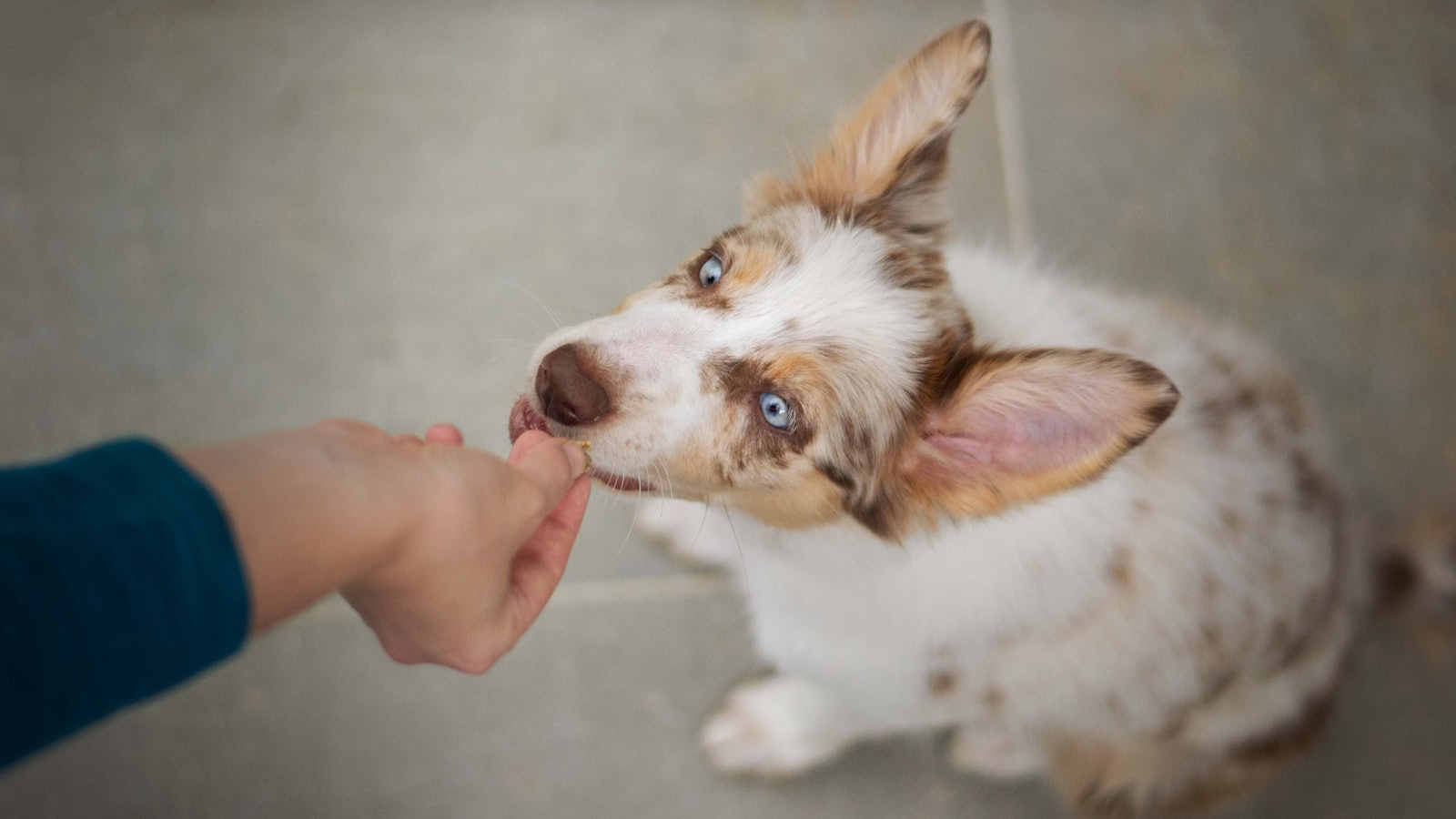
Your dog has your favorite sock and is doing victory laps around the coffee table, absolutely delighted, while you close in like a heist gone wrong. Every chase, every pry, every wrestled-away prize is teaching one catastrophic lesson: humans steal, so run faster and swallow sooner. Drop it flips the economy. Instead of a mugging, it's a trade — and a dog who trusts the trade will spit out a chicken bone mid-chew, because experience says whatever comes next is better.
Drop it isn't surrender. It's a trade your dog has never once lost.
📋 Quick Read
- The engine is trading, never taking: your dog releases the item because something better appears — and crucially, they often get the original item back, so releasing doesn't mean losing.
- Chasing and prying are the two great saboteurs: both teach that human hands near the mouth mean theft, which is the root of guarding, gulping, and keep-away games.
- Built honestly, drop it becomes a genuine emergency cue — the one standing between your dog and a swallowed cooked bone, sock, or worse.
- Stalled trades point to their own fix — a re-grab means the pay needs to land away from the prize, a locked jaw means the currency lost the auction, and returning keep-away means someone in the house is chasing again.
What you need
A starter toy your dog likes but wouldn't defend in court, and trade treats that clearly outrank it — the gap between the two is the engine, so when in doubt, upgrade the treat. Later rungs use things you already own: better toys, a chew, eventually staged finds on a leashed walk. A calm room and ten trades a session. Nothing else — the whole method is your hands staying out of the argument.
Start the trading floor
Begin with a toy your dog likes but doesn't treasure. Let them hold it, then present a high-value treat right at their nose. The instant the jaw opens and the toy drops: mark, pay, and — here's the trust-builder — hand or toss the toy right back. Ten trades a session. No grabbing at the item, no tug-of-war with their prize, no cue word yet; the mechanics come first. If the treat doesn't open the jaw, your treat is losing to the toy — upgrade the currency, downgrade the toy, and run it again.
Name it, ladder it, lose the visible treat
Once jaws open reliably at the sight of the trade, say "drop it" just before presenting the treat; a dozen reps in, the words alone will open the mouth, and you pay from behind your back after. Now climb the value ladder deliberately: boring toy, favorite toy, chew in progress, food-adjacent finds — each level earning bigger paydays and plenty of give-backs. Keep two inviolable rules as the stakes rise: never chase (walk away disinterested instead; a dog with no audience often drops the game and the item), and never pry unless it's a genuine emergency — every pry spends trust you'll want later.
Reading the trade rate
Your gate is the trade rate: nine or ten clean releases out of ten at the current rung before the ladder climbs — because a contested drop rehearsed is a contest strengthened. The body tells you the rest: a fluent trader spits the item at the cue and looks up bright-eyed for the pay, sometimes before the treat even shows. Hesitation, a slowing jaw, a half-turn away with the prize — that rung isn't bought yet, whatever yesterday looked like.
Climb one variable at a time: the item's value, or the setting, or mid-play versus at-rest — never all three. When a rung wobbles, drop one, bank easy double-paydays for a day or two, and climb again. The ladder is meant to be ridden in both directions; the only real mistake is grinding at a level your dog keeps voting against.
Grading it for emergencies
The exam this cue is really for: the cooked bone from the gutter, the dropped medication, the sharp thing. Proof toward it with staged finds (plausible but safe items planted on walks), jackpot trades for every release, and keep the maintenance running for life — an occasional spectacular payday for a routine drop keeps the reflex bright. When the real emergency comes, cue once, pay ridiculously, and never mind that the found treasure doesn't come back that time; a thousand honest trades buy you that one confiscation, no trust lost.
When the trade stalls
Trades stall in predictable ways, and each stall names its own fix.
Drops it, then dives to re-grab before you can pay. The economy is fine; the geography is wrong. Toss the trade treat a few feet away from the item so the pay physically moves your dog off the prize, and collect (or return) the item while they're cashing out.
Jaw stays locked, even for chicken. Either the ladder jumped a rung — the item outranks the currency — or arousal is running too hot for eating at all. Downgrade the item, upgrade the pay, and if you're mid-zoomies, let the engine idle before you run trades; nobody negotiates well at full sprint.
Toys trade clean; chews and food finds are contested. Right on schedule — edibles are a different asset class, because dropping food means surrendering food. Rebuild low on the ladder with barely-interesting chews, pay in multiples, give the chew back most reps, and let the new class earn the same trust the toys did.
Keep-away is back. A dog who bolts with prizes has found an audience again — somebody in the household is chasing, grabbing, or laughing at the victory laps. One family meeting: nobody pursues, everybody trades, boring wins. The game dies without co-stars.
Gulping. If your approach makes the swallowing faster, stop approaching — this is the one pattern where closing distance makes everything worse. Trade at a distance by scattering a handful of treats to the side, let the item be abandoned rather than surrendered, and treat a repeat pattern as a flag worth professional eyes.
Same trade, different dogs
Puppies are a trading academy on legs: everything goes in the mouth, so everything is a rep. Trade constantly, return generously, and never chase — install the economy before adolescence installs the sprint. Adult rescues who've had things snatched in a former life may need the opening rungs stretched over weeks, with trades tossed at a distance before hand-delivery ever enters the picture; the ledger fills slower, but it fills. High-drive, tug-loving dogs often rate a second identical toy above any treat — cue the drop, bring the twin toy to life in your hand, and the trade happens inside the game itself. And a soft-mouthed, low-drive dog who barely holds anything still needs the reps: the emergency will not check drive levels first.
The trust dividend
Run honestly for a few months, drop it stops being a cue and becomes a clause in the relationship: things in my mouth lead to trades, and humans keep their deals. The household's ordinary games carry the maintenance from there — every fetch retrieve is a drop-it rep, tug with rules is a drop-it rep, even the surrendered sock returned with a laugh is a deposit.
And keep its sibling on staff. Leave It handles temptation before the grab; drop it handles the world after. Train them as a pair and the sidewalk's worst offerings meet a dog with two answers — don't pick it up, and if you already did, there's a better deal on the table. Between them, the heist movie ends; what's left is a dog trotting over to show you what they found.
🗓 This Week's Plan
- Days 1–2: Ten trades a day with a mid-value toy; item returned most reps. No cue word yet.
- Days 3–4: Attach "drop it," start the value ladder, and banish all chasing and prying household-wide.
- Days 5–7: Chews and staged finds with jackpot pay; run the Double-Dip Week finale on the favorite toy.
Start the Teaching Drop It plan in Pak Social
One toy, one great treat, ten trades tonight. Build the trading floor now, and the day your dog finds something dangerous, the trade will beat the treasure.
Get Pak Social — Free ➡️ Up nextTeaching Off: Four on the Floor9 min read›