Teaching Carry: Reliable Object Transport
The dog who trots home with the leash in their mouth isn't showing off. (Okay, they're showing off.) They're also doing a trained job — and loving it.
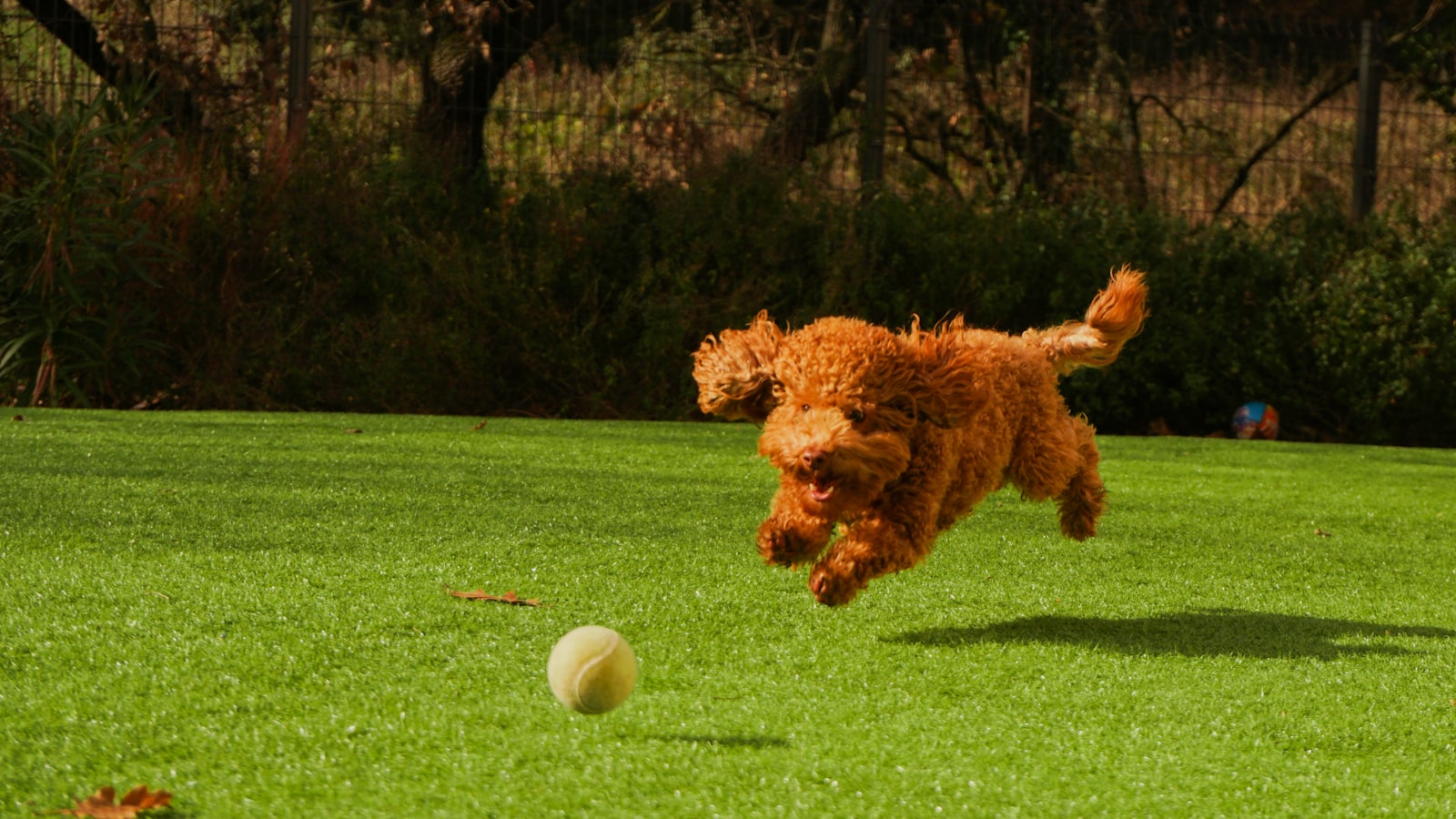
There's a particular joy in a dog with a job: the one carrying their own leash on the home stretch, delivering the newspaper like an employee of the month, hauling a toy basket toward cleanup. Carry looks like showboating, but underneath it's a real skill — a calm, sustained hold, in motion, ending in a delivery — and it's built from a piece most owners skip: teaching the dog to hold something without chewing it. Nail the hold, and the trotting-with-cargo part practically installs itself.
Carry isn't fetch with extra steps. It's a hold that learned to walk.
📋 Quick Read
- The skill under the skill is 'hold': take the object, close the mouth around it, keep it there calmly — no chewing, no dropping — until asked to release. Everything else is duration and motion.
- Build it in the fetch chain's order: take → hold → hold-while-walking → deliver to hand — each link paid separately, using your drop-it cue as the clean ending.
- Match cargo to dog: soft, mouth-sized, non-precious objects first. Retrievers may skip grades; toy guarders and resource-sensitive dogs need the Drop It lesson solid before enrolling.
- Carry fails on a schedule — the drop after two steps, the chomp, the object spat out early to collect the treat — and every one is fixed by shrinking a link, not repeating the cue.
What you need
A soft, mouth-sized starter object from the lesson's own list — a rolled cloth, a soft dummy, a favorite-but-not-sacred toy; nothing heavy, rigid, or precious. Small treats for the trades, kept where your dog can't fixate on them. A fluent drop-it — that's its own lesson, and every carry rep ends with it, so if the trade is shaky, shore it up there first. And a quiet room with clear floor, because early holds are fragile and the environment shouldn't be bidding against you.
Build the take and the quiet hold
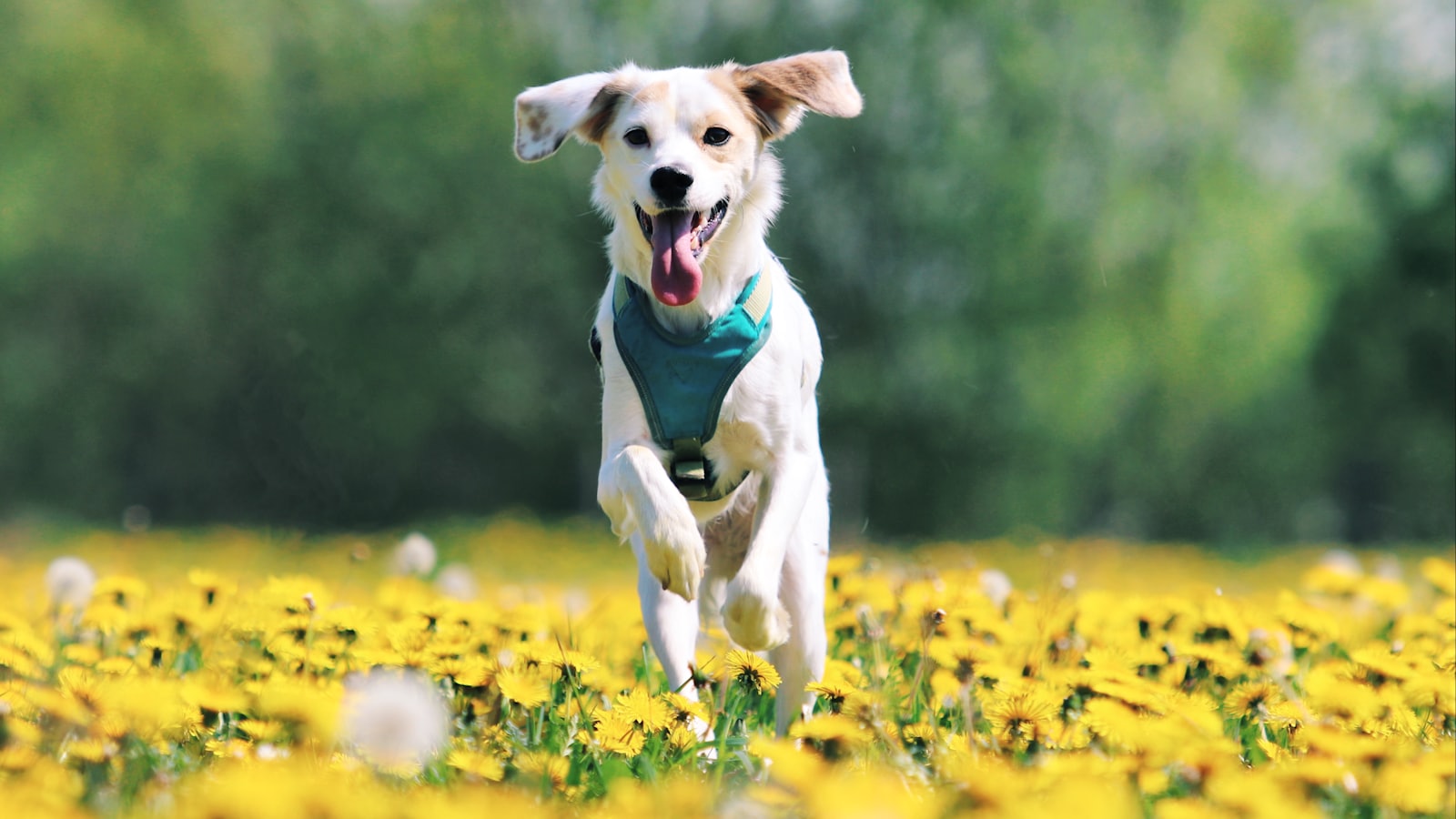
Sit on the floor with a soft, mouth-friendly object — a rolled cloth, a soft dummy, a favorite (but not sacred) toy. Offer it; when your dog mouths it, mark and pay (they'll drop it to eat — fine, that's the loop). Gradually hold out for more: mouth closing around it, then one second of calm hold, then two. The moment to watch for is the quiet mouth — no chomping, no readjusting — and that's what earns the jackpots. Add your "hold" cue as the duration stabilizes, and always end reps with your drop-it cue and a trade, so the release stays as clean as the grip.
The gates between links
The chain promotes on fluency, one link at a time: a willing take, then one second of quiet hold, then five seconds with the cue attached, then a single step, then three, then the room, then the delivery. Every gate has the same standard — the current link looks easy and calm on nearly every rep — and the same rule when it doesn't: shrink the ask; don't repeat it louder. Hold gates are measured in seconds and walking gates in steps, and the two trade off — the first time you add motion, duration collapses back to a second or two on purpose. That's the method, not a setback.
Ready-to-promote also has a look you can trust over any timer: the quiet mouth staying quiet while something else happens. A dog who can hold calmly while you shift your weight, while a treat appears in your hand, while they take one step — that's a hold with room to spare. A dog readjusting their grip every two seconds is at their limit; bank more reps before the next link, because everything downstream is built on this one.
Make the hold walk
With a five-second stationary hold solid, add motion in the smallest possible dose: one step backward from your dog while they hold, calling them to you — one step of carrying, mark, trade, pay. Then three steps, then across the room, then you walking beside them as they carry on the move. If the object hits the floor, no drama: the rep just doesn't pay, and the next one gets shorter. Object weight and size matter more than owners expect — scale up cargo only after the motion is fluent with the easy stuff, and skip anything heavy, rigid, or awkward that makes the hold physically unpleasant.
When the cargo hits the floor (and other classics)
Carry's failure modes are so consistent they're almost a schedule. Each one names the link to rebuild.
Drops after two or three steps, every time. The signature failure, and it always means the same thing: the walking link got promoted before the hold link was fluent. Rewind to a stationary hold, rebuild to a boring five seconds, then re-add motion literally one step at a time. Two clean steps that pay beat six that end on the floor — the chain remembers how reps end.
Chomps the object like gum. A chewing hold is a hold on borrowed time, and it usually means the object is too interesting or the pay is too slow. Switch to duller cargo, mark and pay the very first instant of stillness in the mouth, and keep early holds short enough that the jaws never get bored. Stillness is what earns; possession alone never does.
Spits the object the instant your hand moves. Clever accounting — your dog has learned the treat arrives after the object leaves, so they're skipping ahead to the paycheck. Make the paycheck contingent on the cue, not the release: an uncued spit earns a cheerful nothing and a reset, while a hold that lasts until you say drop-it gets the trade and a jackpot. Cue first, then release, then pay — the order is the lesson.
Happy to carry toys, refuses the leash — or the reverse. Objects don't generalize automatically; every new texture, weight, and shape is a mini-audition. Re-run the take-and-hold stage with the new object for a session or two — graduates usually clear the early links in minutes. If one object keeps failing, check it against the cargo rules: heavy, rigid, or awkward stays off the manifest.
Trots off sideways with the cargo instead of coming to you. That isn't a carry problem — it's possession economics, and it means the drop-it foundation needs another coat of paint before this lesson continues. Park the carry work, rebuild the trade until surrendering things is reliably great news, and come back. Resource-sensitive dogs can absolutely learn carry; they just need the trade bulletproof first, exactly as the enrollment note says.
Same chain, different dogs
Retrievers and retriever mixes may test out of the early grades — some arrive with a soft-mouthed hold pre-installed and mostly need the cue and the delivery manners. Let them skip ahead honestly: run the gates fast, but still run them. Puppies can play take-and-hold with light, soft cargo in tiny sessions, but a teething mouth deserves grace — if the hold suddenly turns chompy or reluctant in a young dog, shelve the duration work for a couple of weeks rather than train through a sore mouth.
Adult rescues vary most along the possession axis. For a dog with a history of having things taken, a quiet hold right next to a human hand is a bigger ask than it looks — weight the early sessions heavily toward trades that leave the dog visibly better off, and let the drop-it history do the reassuring.
Give the skill a job title
Now the fun part — deployment. The leash on the last block home (most dogs' favorite assignment, pride visibly included). A soft grocery item from car to kitchen. The toy-basket cleanup game: carry, deliver over the basket, drop-it, repeat — chores as enrichment. Deliveries to specific humans ("take it to Dad") build on the carry plus a send, and suddenly you've got household courier service. Beyond the charm, jobs like these are premium enrichment: a carry-employed dog on a walk is focused, purposeful, and noticeably calmer — the mouth is busy, the brain is on task, and the strut speaks for itself.
Keeping the courier employed
Jobs are the maintenance plan — a skill used three times a week doesn't rust. The leash on the home stretch, the cleanup game on rainy days, the occasional delivery to another human: each one is a paid rep wearing work clothes. Two standards stay non-negotiable for life. The delivery remains a trade — the day objects start getting snatched from the mouth is the day keep-away economics start creeping back in. And the cargo manifest stays curated: soft, manageable, safe, nothing that makes the job unpleasant to hold. Keep those two, and the strut takes care of itself — a dog with a job title rarely resigns.
🗓 This Week's Plan
- Days 1–3: Take-and-hold shaping — pay the quiet mouth, end every rep with a drop-it trade.
- Days 4–5: First steps of motion, one step at a time, cargo kept easy.
- Days 6–7: Room-length carries and the first hand deliveries; audition the leash for the Home-Stretch Courier.
Start the Teaching Carry plan in Pak Social
One soft object, one paid take, tonight on the living room floor. Two weeks of link-building and your dog trots the home stretch with their own leash — employee of the month, every month.
Get Pak Social — Free ➡️ Up nextTeaching Bring It: Advanced Retrieval and Delivery9 min read›