Teaching Bow: The Play Position on Cue
Front end down, rear end up, tail going — the universal dog word for "let's have fun" — captured, named, and ready for curtain calls.
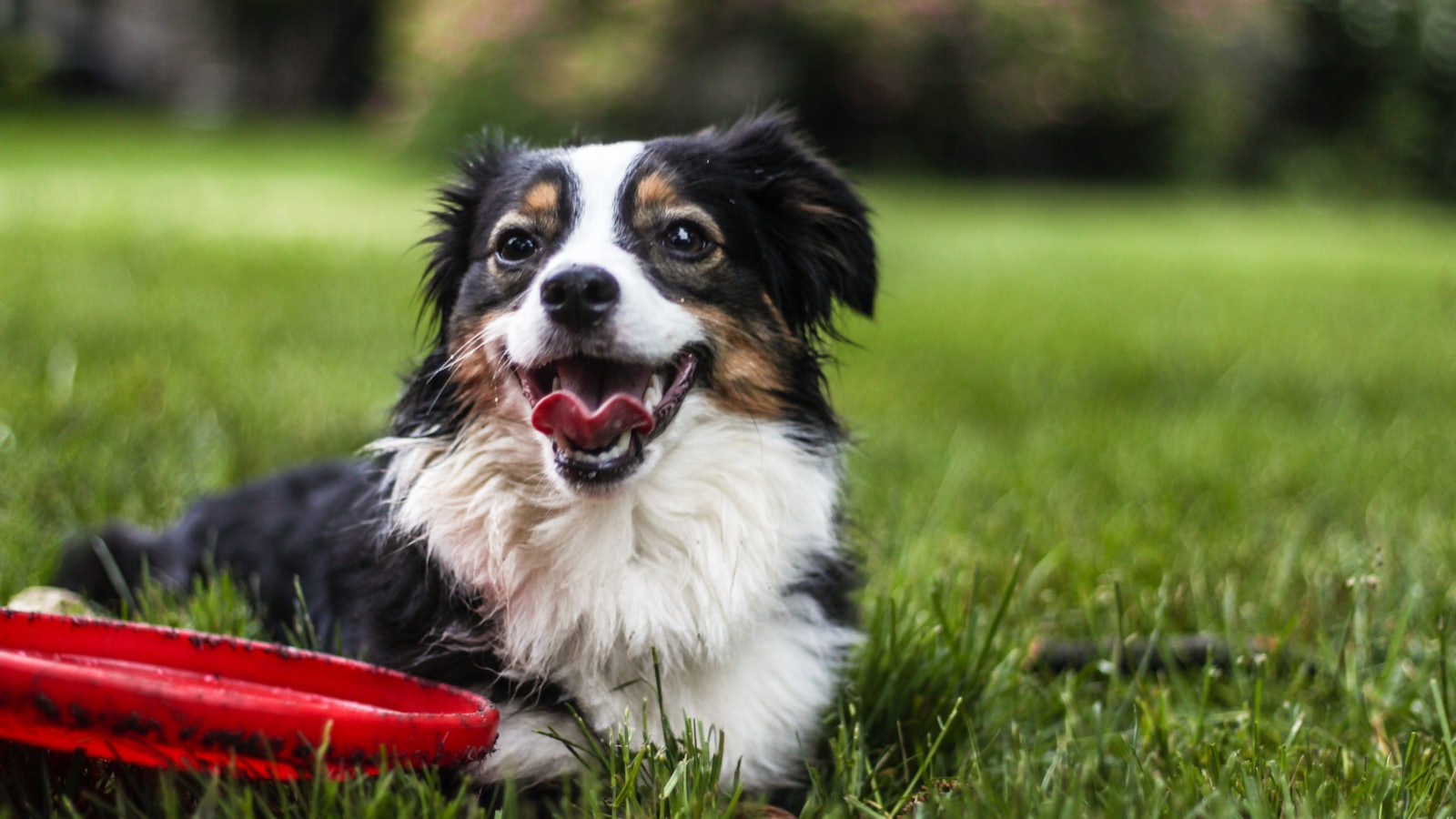
Your dog already knows this trick. Watch the start of any play session: front legs stretched flat, chest to the ground, rear end skyward, tail helicoptering — the play bow, dogdom's universal invitation. All you're doing in this lesson is catching a behavior your dog performs for free a dozen times a day and putting it on the payroll. The result is the most charming cue in the repertoire, a genuinely useful stretch, and a dog who takes a bow at the end of their tricks like they know exactly how good they are.
The bow is the one trick your dog invented. You're just teaching them it has a name.
📋 Quick Read
- Bows can be captured (mark the natural play bow when it happens) or lured (treat drawn down-and-in from a stand) — most dogs learn fastest with both running in parallel.
- The hard part is the rear end: dogs offered a downward lure tend to collapse into a full down. An arm slipped gently under the belly — or better, quicker marking — keeps the hips up.
- Beyond charm, the bow is a legitimate stretch (the same fold as a dog's natural morning stretch) and a staple of the AKC Trick Dog title ladder if you're collecting.
- Bow breaks in predictable ways — the melt into a down, the wag that goes missing, the bow that only exists mid-play — and each has a small fix, usually involving earlier marks and more play.
What you need
Small, soft treats staged near the play zones — a jar by the tug basket, a pouch by the back door — because captures happen on your dog's schedule, not yours. A marker you can fire fast — a crisp "yes!" does the job. A favorite tug or play toy to get the real bows flowing. And a non-slip stretch of floor for the lured reps, because a bow attempted on slick hardwood turns into a slide.
Route one: capture the real thing
Keep treats within reach during the playful hours — right before walks, when you grab the tug toy, during zoomie o'clock. The instant a genuine play bow appears: mark, pay, and let the play continue (the play itself is half the paycheck). Do this for a week and most dogs connect the dots, offering exploratory bows at you with a hopeful expression. Those offered bows are the gold: pay them lavishly, and once they're arriving on schedule, slip the cue in just ahead — "take a bow," or a sweeping arm gesture for extra theater.
Route two: lure it (and rescue the hips)
From a stand, hold a treat at the nose and draw it slowly down and slightly back toward the chest. The front end follows the treat floorward — and here comes the classic failure: the rear end sinks and you've lured a down instead. Three rescues, in order of preference: mark earlier (catch the instant the elbows touch, before the hips decide); keep the lure closer to the chest so the fold stays front-loaded; or, for persistent collapsers, kneel and rest a forearm gently under the belly as a hint, fading it within a few reps. Pay in the bow, release upward with the treat so the rep ends in a stand, ready to repeat.
From offered bow to finished cue
The promotion path runs paid captures, offered bows, cue attached, lure faded, then a held beat — and each handoff has its own green light. Attach the word when offered bows are arriving predictably; a dog throwing hopeful bows at you several times a day is the window standing open. Fade the lure when the lured bow is smooth and the hips reliably stay up: switch to an empty hand tracing the same down-and-in motion, treat from the other hand, then shrink the gesture over sessions until a small sweep — or the word alone — carries it. Add duration last, and keep it modest: one second of held fold, then two. This is a flourish, not a stay.
The tell that you've promoted too fast is always the same: the wag goes quiet. A slow, obligatory bow means the trick has drifted from play into work — drop the drills for a few days and go back to capturing mid-game, where the joy lives. With bow, the emotional quality isn't garnish; it's the behavior.
Cadence matters as much as criteria here. Keep formal sessions under five minutes and under ten reps, sprinkle captures through the rest of the day, and let a couple of days off do their quiet work — tricks consolidate between sessions, not during them, and bow more than most, because its fuel is play, and play can't be drilled on demand.
When the bow won't behave
Bow's failure modes are few and famous. Find yours, shrink something, and keep the wag.
The bow keeps melting into a down. The classic, and the fix doesn't change: mark earlier — the instant the elbows touch, before the hips get a vote — and keep the lure tucked in close to the chest. If it keeps happening, you're holding the lure down a beat too long; hips only need half a second of indecision to file the whole motion under 'down.'
The bow exists mid-play and nowhere else. Your captures are working; the behavior just hasn't left its native habitat. Bridge the contexts: run lured reps immediately after play while the arousal is still warm, then start asking slightly before the game begins. A bow born in play will follow you into calmer rooms if you walk it there gradually.
The bow went stiff — flat tail, slow fold. The shape got drilled and the spirit left, exactly the trade this lesson warns about. Cancel formal sessions for a week and pay only real, mid-game bows. When the wag comes back, the cue can too.
The front feet creep backward instead of folding. Your dog is following the treat by walking, not bending. Lure back toward the chest rather than down toward the floor, and set up with your dog's rear near a wall so backing up quietly stops being an option — the fold becomes the easiest road to the food.
Bows arriving uninvited, all evening. A dog spamming bows has correctly identified a money-maker — a lovely problem to have. From here, pay only the cued ones and greet the freelance offers with warm nothing; they'll settle back into what they were before: actual invitations to play.
The bow performs for one human only. Cues attach to people as much as to words — your angle, your gesture, your timing are all part of the picture your dog learned. Have the second human run a few lured reps of their own, then cued ones, paying just as well; most dogs transfer the trick within a session or two once they discover the paycheck travels.
Same bow, different dogs
Puppies are bow machines — play is most of their day, so captures come thick and fast. Keep sessions to a couple of minutes, pay the wiggly version, and don't fuss over precision; a puppy bow is allowed to be sixty percent falling over.
Adult rescues may play less freely at first, which thins the capture supply — lean on the lure route, keep your body language easy, and treat every real play bow that does appear as a quiet celebration, because it's also a sign the dog is starting to feel at home. And with soft dogs, the no-pressing rule counts double: hands that push, even helpfully, can put the whole game in doubt. Lure, capture, wait.
Polish, stretch, and the curtain call
Once the cue is clean, build a beat of duration (mark at one second of held bow, then two), add your theatrical flourish, and start chaining it as the finale of trick sessions — sit, spin, speak, take a bow. Vets and canine-fitness folks like this posture for a reason: it's the same fold dogs use in their own morning stretch, and a cued bow before sports or long walks is a gentle, dog-powered warm-up. If titles tempt you, bow appears on the AKC Trick Dog checklists — pair it with shake and roll over from this series and you're most of the way to Novice.
Where the bow lives afterward
After graduation, this trick mostly maintains itself — your dog keeps performing the uncued version every play session, which amounts to free rehearsal for life. Give the cued version small jobs to stay sharp: the curtain call after trick sessions, the pre-walk stretch on stiff mornings, and the invitation itself — cueing a bow at the start of playtime uses the trick for exactly what the posture has always meant. Many dogs answer a cued bow with a real one, tail already going, and the game begins. That loop — you ask, the dog answers, play happens — is the finished trick at its best: not a performance, but a shared word for "let's have fun," which is what it was all along.
- My dog play-bows naturally during games
- I can mark and pay within a second (marker timing)
- Down is fluent (so I can tell bow and down apart fast)
- Treats live near the play zone for captures
- Sessions stay under five minutes
- I'll pay the wiggly version, not drill the stiff one
🗓 This Week's Plan
- Days 1–3: Capture week — treats staged near play, every natural bow marked and paid mid-game.
- Days 4–5: Add lured reps from a stand; rescue the hips with earlier marks.
- Days 6–7: Attach the cue to offered bows, add the flourish, and run the first Curtain Call.
Start the Teaching Bow plan in Pak Social
Stage the treats by the tug toy tonight and photograph the first free bow with a well-timed "yes!" Your dog invented this trick — all that's left is the paycheck and the name.
Get Pak Social — Free ➡️ Up nextTeaching Roll Over: Trust, Focus, and Fun9 min read›