Stay: Building Duration and Distance
Your dog isn't blowing off the stay. You're probably asking for three skills at once — and dogs learn them one at a time.
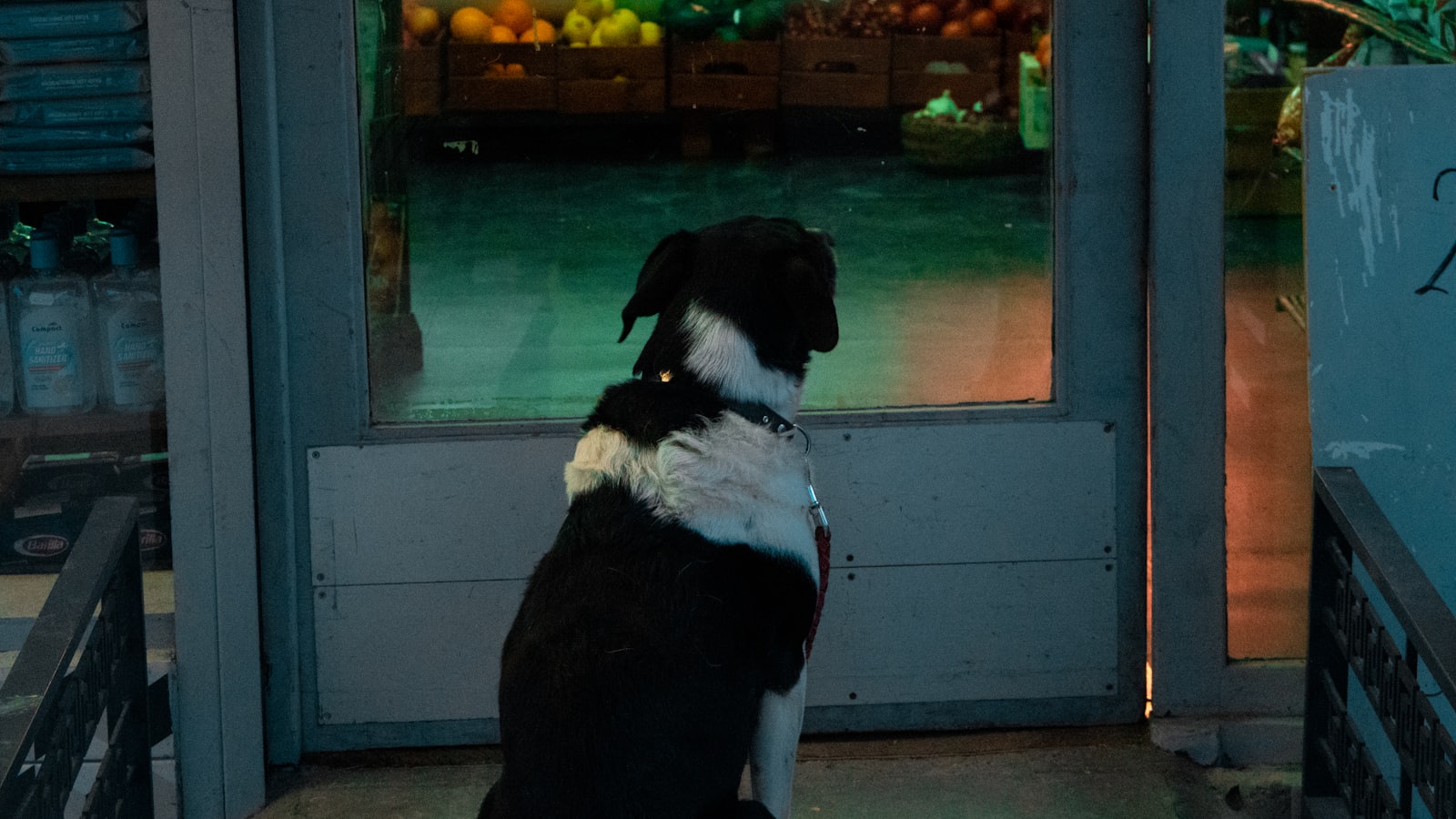
Your dog sits, you say "stay" with full eye contact and a traffic-cop hand, and you back away feeling like a professional. Three steps later there's a nose in your knee. Every owner hits this wall, and it's almost never defiance — it's that stay is secretly three separate skills wearing one word: staying for a long time, staying while you move away, and staying while the world happens. Dogs learn them one at a time. Train them that way, and stay stops being a coin flip.
Stay isn't one skill. It's three — duration, distance, distraction — and your dog learns them one at a time.
📋 Quick Read
- Trainers call it the Three D's: duration, distance, distraction. Increase one and the other two get harder — so you raise one dial at a time and lower the rest.
- Duration comes first, and it starts embarrassingly small: one to two seconds, rewarded, then a slow climb. Get to ~30 seconds before you even think about stepping away.
- Always return to your dog to end the stay. Calling them to you teaches that stays end by breaking toward you — the exact thing you're trying to untrain.
- Stays break in signature patterns — at your first step, around a blurry release, the slow creep forward — and each one points to its own fix, not to more discipline.
What you need
Stay needs almost no equipment. Small treats you can deliver quickly, and plenty of them — early reps pay constantly, right in position. A quiet room with no audience for the first week. And, optionally, a mat or bed — a clear boundary many dogs find easier to hold a stay on.
Duration first — and smaller than you think
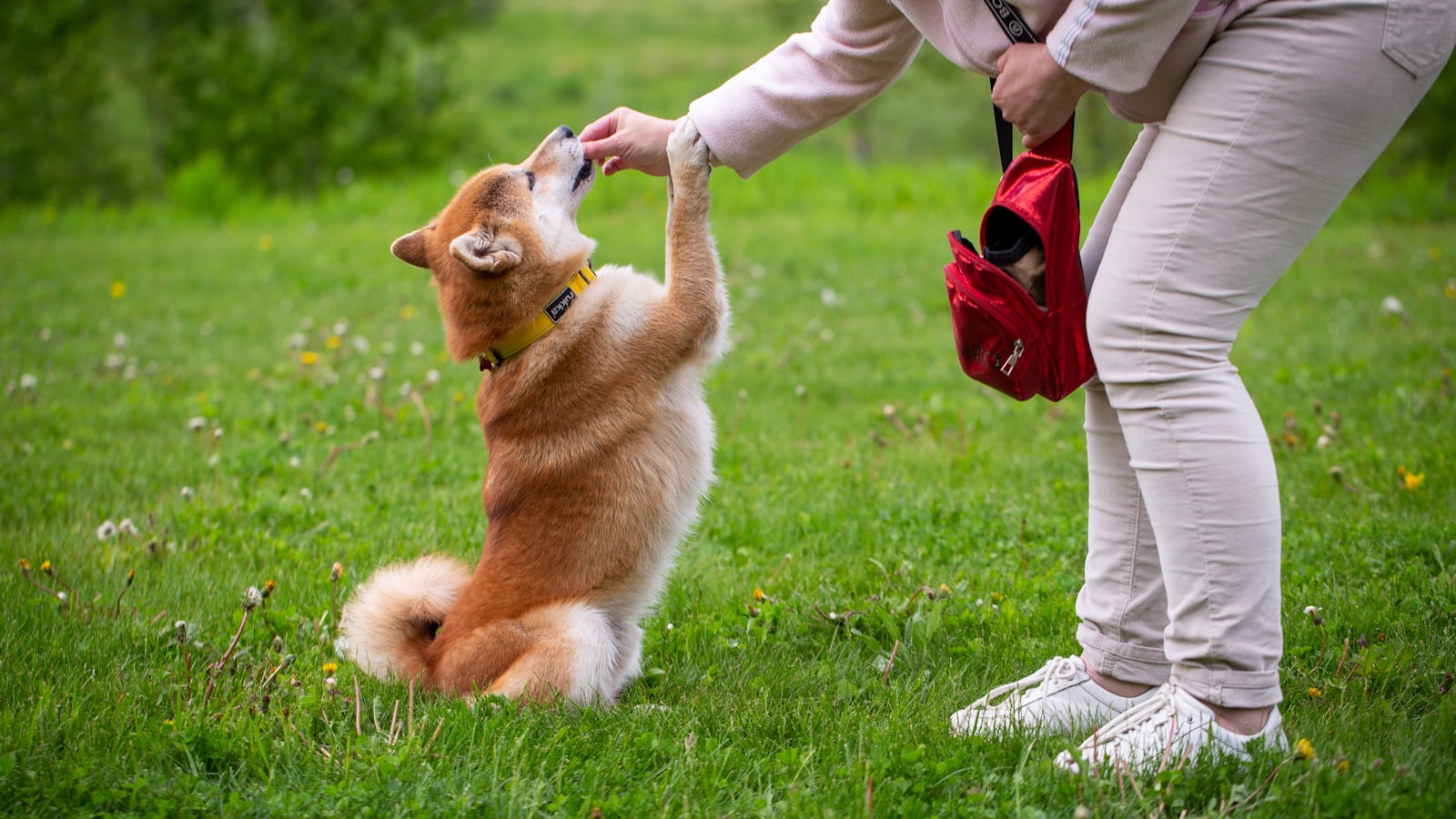
Ask for a sit, say "stay," wait one second, reward while your dog is still in position, then release with a consistent word ("free!" or "okay!"). That's a full rep. Climb slowly — two seconds, five, eight — rewarding during the stay, not after the release, so the position itself is what pays. If your dog breaks, you've climbed too fast: shrug, reset, and drop back to the last duration they nailed. Build to about thirty seconds of calm, rewarded stillness before adding anything else.
The release word does half the work
Before you climb higher, make sure the ending is crisp — a blurry release quietly sabotages the whole build. Your release word — "free," "okay" — means exactly one thing: the job is over. Say it the same way every time, in a pleasant, unremarkable tone, and then make something actually happen — take a step, invite movement, let your dog get up. If they stay planted after the word, help them up cheerfully. A dog who can't tell when the stay has ended starts guessing, and guessing dogs break early.
Watch for accidental releases, too. If standing up straight, reaching toward the treat pouch, or glancing at the door reliably happens right before the ending, those movements become the release and your word becomes background noise. Vary what your body does during the stay — shift your weight, look away, scratch your nose — so the only thing that ever ends the job is the word itself. That clarity is what lets you eventually walk away with confidence: your dog isn't scanning you for clues — they're waiting for one sound.
When to climb, and when to back off
The whole ladder runs on one metric: success rate. Holding about nine reps out of ten? The level is solid — raise the active dial one notch, and if you're introducing a new dial, shrink the other two dramatically first. Failing a third of the time or more? You're no longer building a stay; you're rehearsing breaking. Drop down until the wins come back.
Ready-to-climb also has a look. A dog who's genuinely comfortable settles into the stay — weight even over all four feet, mouth soft, maybe rocking onto one hip or glancing lazily around the room. That's a dog with capacity to spare; climb. A dog holding the stay like a coiled spring — weight forward, mouth tight, eyes locked on you — is technically succeeding and emotionally maxed out. Stay put and pay more until the spring unwinds.
Distance: your feet are the hard part
Once thirty-second stays are easy, shrink the duration back down and start moving — one step back, return, reward, release. Then two steps, then five, then a lap around your dog. Two rules make or break this phase. First: always come back. Returning to reward means your dog never learns that distance predicts being summoned. Second: when distance goes up, time goes way down — a five-step stay might last three seconds at first. That's not a step backward; that's the method.
Distraction: the final boss, introduced politely
Distraction training starts far below your dog's threshold. Ball-obsessed dog? The ball sits motionless ten feet away — that's the whole distraction. Reward heavily for holding. Over sessions, the ball gets closer, then rolls slowly, then bounces. Same for doorbells, family members walking past, another dog across the street. The art is finding versions of the distraction easy enough to succeed through. Every held stay around a distraction is a rep of "the world happening doesn't cancel the deal."
And here's the pattern most owners miss: the dogs who struggle most with stay usually aren't the stubborn ones — they're the ones whose owners jumped from kitchen-duration straight to across-the-park-with-distractions and skipped the middle entirely. If your stay is flaky, the fix is almost never more discipline. It's a smaller ask.
Same ladder, different dogs
Puppies can absolutely learn stay — in puppy units. Two seconds is a triumph at twelve weeks and thirty is graduate work — shrink every rung, keep sessions short, and quit while you're winning. Expect the skill to wobble in adolescence; walk back down the ladder and it rebuilds fast. An adult rescue with no training history climbs exactly like a puppy with better focus — start at the same one-second rung and let the success rate, not their age, set the pace.
High-drive dogs find stillness genuinely hard, the way sprinters find waiting rooms hard. Take the edge off first — fetch, a real walk — and pay stillness at a rate that feels almost silly early on, because for this dog, calm is the expensive behavior. Soft or anxious dogs usually struggle with distance, not duration: you walking away can feel less like a rep and more like being left. Slice distance thinner, keep your body language easy, and be generous with the return — for this dog, you coming back is what makes the whole game safe to play.
When stays break — reading the wreckage
Stay fails in signature patterns, and each one points to its own repair.
Breaks the instant you move. The most common wall there is — and from the floor it makes sense, because your movement has always meant things happening: walks, meals, the good couch. Your feet are the loudest distraction in the house. So shrink the ask to near-absurdity: shift your weight without taking a step, return, reward. Then one step. Your motion has to become boring background before it can become distance.
Breaks around the release — a beat before it, a scramble after it. That's not a stay problem; it's a clarity problem. Either the release word has gone blurry — different words, different tones, one family member not using one at all — or the reward has drifted to after the release, which pays the leaving instead of the staying. Rewind to short, easy stays: one crisp word, treat delivered in position, everyone in the house on the same script.
The creep. Your dog technically holds the stay — while oozing toward you a paw at a time, like a furry glacier. Creeping means the pay zone has drifted: somewhere along the way, closer-to-you started earning. Return all the way to your dog and deliver the treat exactly where the stay began, and if the creep has momentum, borrow a mat or folded towel as a visible boundary for a week (the Place lesson turns this into a skill of its own). Clear edges make honest stays.
Rock-solid alone, dissolves in company. An audience is just a distraction that never got trained. Family members wandering past isn't ambient weather to your dog — it's a rung on the distraction ladder, so script it like one. A housemate strolls by at ten feet while you pay heavily; then closer; then talking to you; then greeting you at the door. Each held stay teaches the same sentence: the household happening doesn't cancel the deal.
Perfect in sessions, missing in real life. If stay only ever happens in five-minute blocks with a treat pouch on your hip, your dog has learned exactly that — a classroom skill. Start asking for tiny two-second stays in ordinary moments, paid in position from wherever the treats live, and the skill starts leaving the classroom.
Where stay lives after the ladder
Built properly, stay stops being a trick and becomes furniture in your day. The stay at the open car door until the leash is clipped. The stay while you wipe paws, sign for a package, or clean up a dropped egg. The wait at the curb, or on their bed while dinner cooks. Small, boring, endlessly useful — and these everyday reps are the maintenance plan, because a stay used three times a day rarely rusts.
Two habits keep it sharp for the long haul. Keep paying — not every rep, but often enough that the position stays valuable, with the treat still arriving in position rather than after the launch. And re-test honestly: run the 30-30 Test every month or so, and if it's gone soft, walk back down the ladder for a week without embarrassment. A stay is a living thing. Feed it a little, use it a lot, and it will hold on the day the front door swings open — which is the rep the entire ladder was for.
🗓 This Week's Plan
- Days 1–2: Nail the mechanics — one-to-five-second stays, reward in position, clean release word. Ten reps, twice a day.
- Days 3–4: Climb duration toward 20–30 seconds. If a rep fails, drop back two rungs and rebuild.
- Days 5–7: Shrink duration and add your first steps of distance — one step, return, reward. End the week with the lean-watch: catch and pre-empt one break.
Start the Teaching Stay plan in Pak Social
Your first two-second stay happens today. In two weeks of five-minute sessions, you'll be walking away from a dog who genuinely stays put.
Get Pak Social — Free ➡️ Up nextPlace Training for a Calm Household9 min read›