How to Train a Reliable Recall: Teach Your Dog to Come When Called
A complete build: how to make 'come' the best word your dog knows — from the living room to the open field.
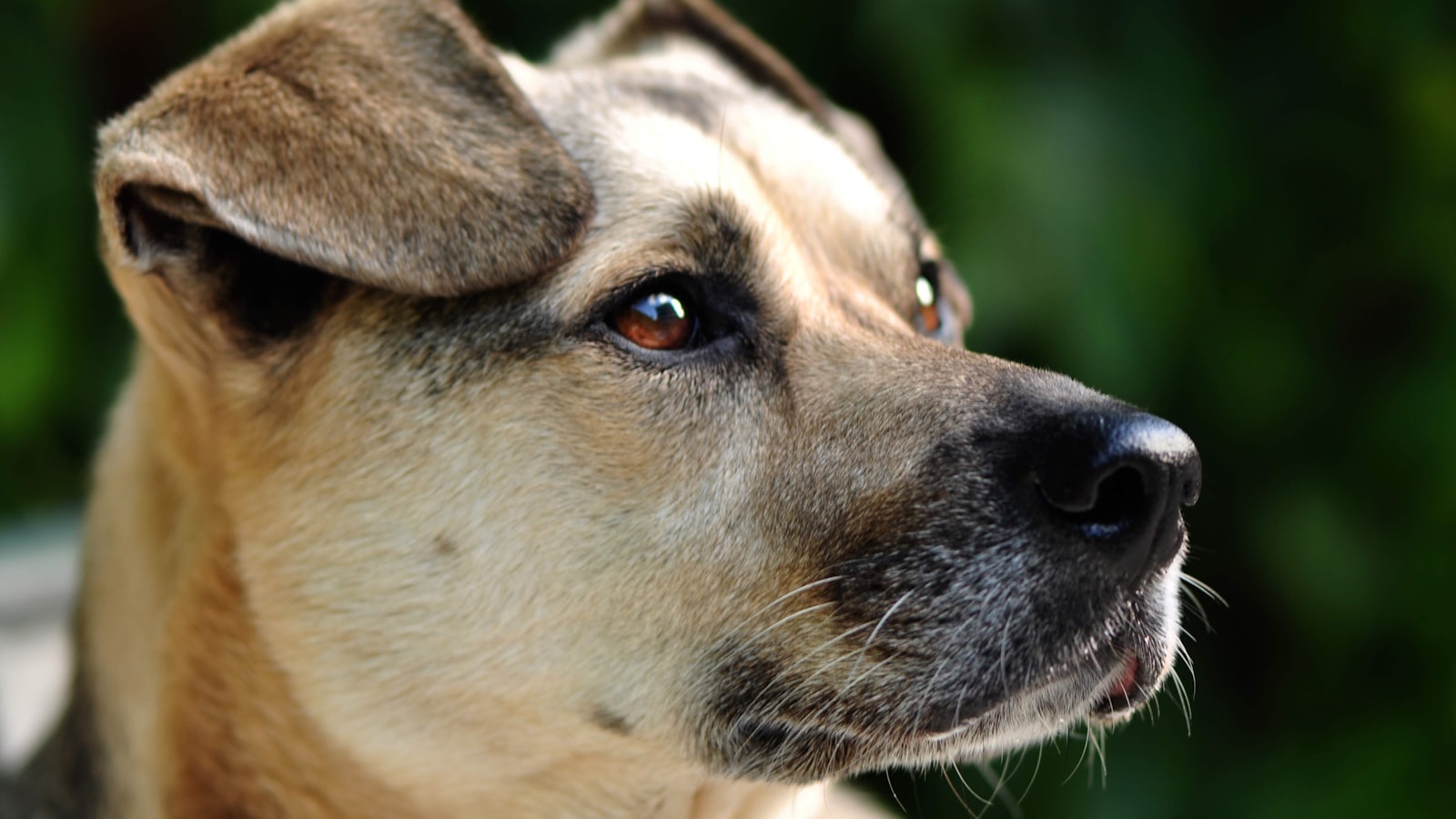
Building on loose-leash walking, here's the skill that can save your dog's life: coming when called. You know the scene — you call "come," your dog glances at you, and keeps sniffing. It's not defiance. Somewhere along the way, "come" stopped being worth it.
'Come' should be the best word your dog knows — never the word that ends the fun.
📋 Quick Read
- Most 'stubborn' recalls are poisoned cues — the word came to predict leashing up, bath time, or the end of play.
- Recall is a paid behavior: the reward has to beat whatever your dog would rather be doing.
- You proof recall by lowering difficulty, not raising your voice — distance and distraction are separate dials.
- Recalls fail in predictable patterns — the outdoor-only flop, the slow saunter, the dog-park deaf spot — and each one is a clue with its own fix, not a verdict on your dog.
What you need
The kit for this build is short. High-value rewards — real chicken, cheese, or a favorite tug toy, not everyday kibble. A standard leash for early outings, and a 15–30 ft long line for outdoor proofing. A low-distraction starting space — the most boring room in your house is perfect. And 2–5 minutes per session: recall is built on short, frequent reps, not marathons.
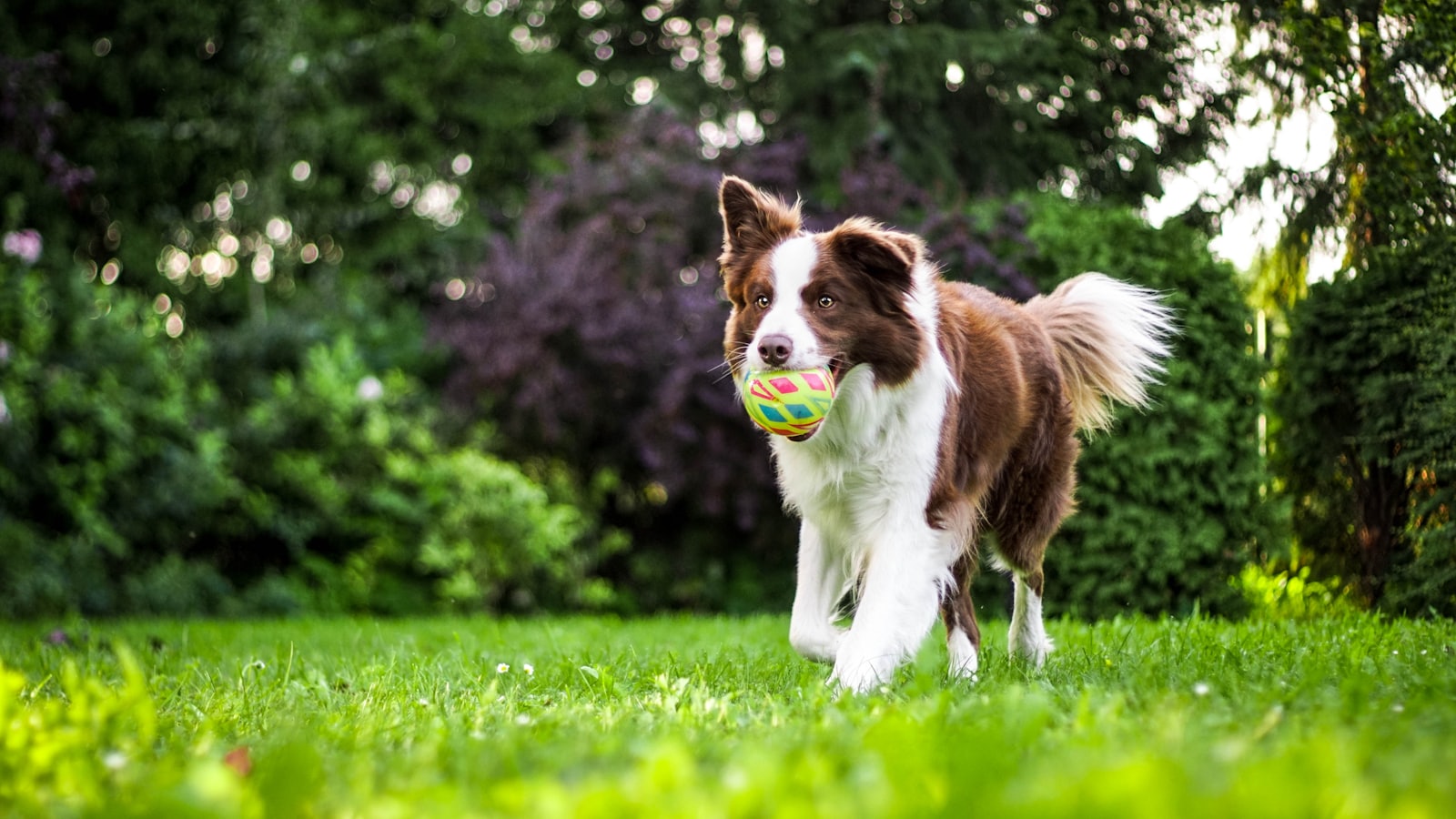
Make 'come' pay — every single time
Start in the most boring room you have. Say your dog's name + "come," and the instant they turn toward you, throw a party: high-value treats, praise, a few seconds of play. In the early days, coming should be the best deal in the house.
Two mechanics make this phase work. First, say the word once. One cue, then make yourself worth arriving at — crouch, clap, jog a step backward (movement away pulls dogs in like gravity). Repeating "come-come-COME" just teaches your dog that the real cue is the third, annoyed one. Second, vary the party. Chicken one rep, a tug game the next, a jackpot scatter of five treats the one after. A predictable paycheck tends to breed a leisurely commuter; a surprise jackpot breeds a sprinter.
Never call your dog to something they hate
If "come" means the leash goes on and the park ends, your dog does the math. Sometimes call your dog, reward, and release them right back to play. And never call your dog to scold them — that's the fastest way to poison the word.
For the unavoidable stuff — baths, nail trims, leaving the park — go and get your dog instead of calling them. Walk over, clip on the leash with a smile, pay them anyway. It feels like a small ceremony, but it's the difference between a word that stays golden and one that quietly rots. The recall you protect on a boring Tuesday is the recall that shows up the day the gate gets left open.
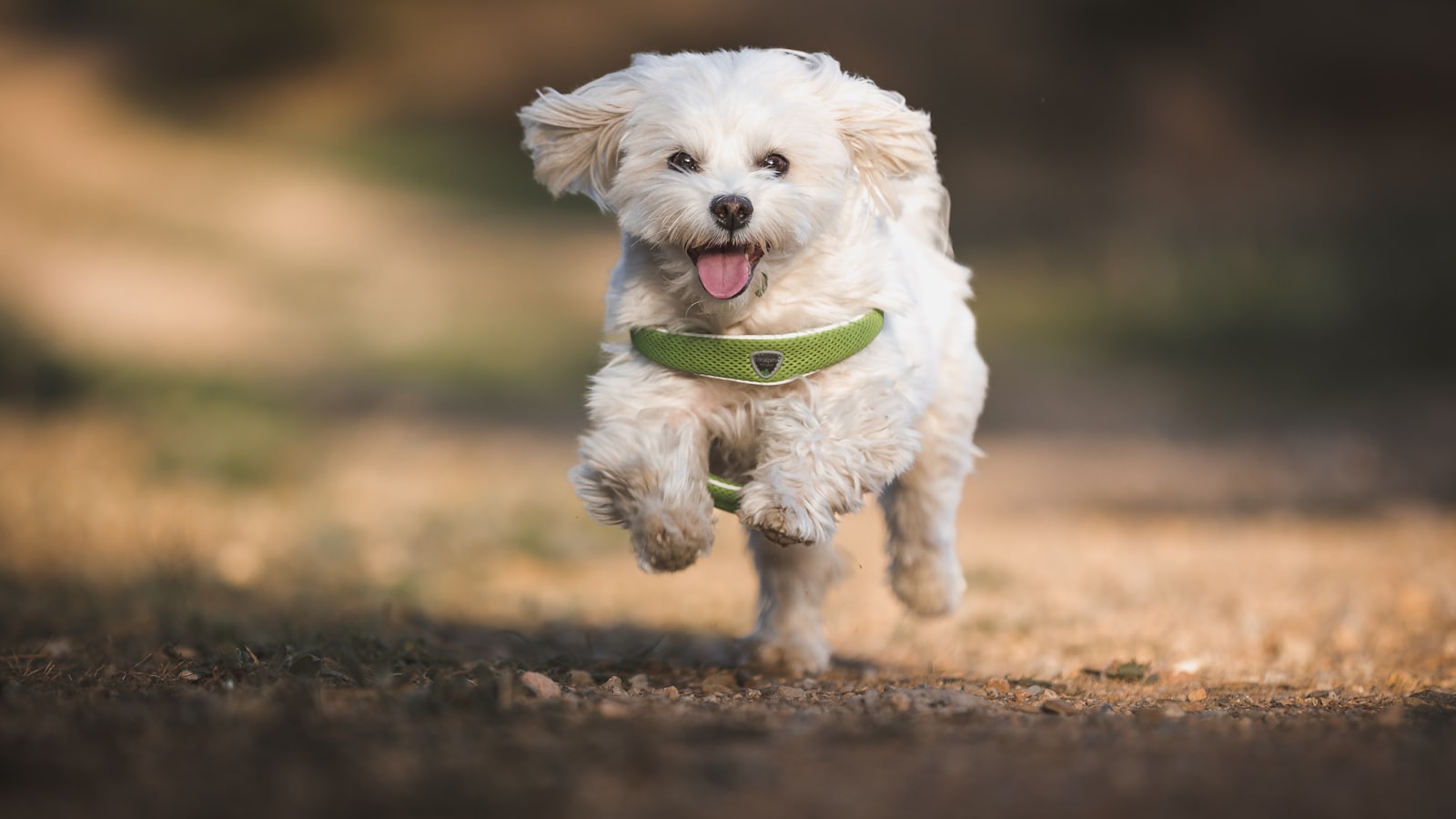
How to know you're ready for the next level
So how do you know when a level is "easy"? Read the body, not the calendar. A dog who's ready to move up gives you the instant head-snap the moment the word lands, arrives at a trot or better, and gets there without a single detour. When you're seeing that on eight reps out of ten, raise the difficulty one notch — a new room, a few more feet, or one mild distraction (one of those, not all three). If you're not seeing it, stay where you are and keep depositing. There's no prize for rushing a recall, and there's a real cost.
And when a level falls apart — the yard was fine on Monday, a circus on Wednesday — drop back down without drama. Difficulty isn't a ladder you climb once and leave; you'll ride it in both directions all week, and that's the method working, not failing. Two easy wins at the lower level, then try again. A recall rebuilt after a wobble comes back stronger than one that was never allowed to wobble at all.
Add distance and distraction on a long line
Once the living room is easy, move to a hallway, then the yard on a 15–30 ft long line. Raise one dial at a time — more distance OR more distraction, never both. The long line means you can always make the recall happen (and pay it) without gambling on failure.
When recall breaks — and what each break means
Even a well-built recall hits snags. From fifty feet away every failure looks the same — you called, nothing happened — but up close, recalls fail in a handful of predictable patterns, and each one is a clue, not a verdict.
Comes indoors, ignores you outside. That's not defiance — dogs barely transfer a skill from one context to another, and outdoors the competition — smells, squirrels, other dogs — is a hundred times richer. Your dog isn't refusing the deal; the deal got outbid. Go back to the long line, upgrade the treats you carry outside, and rebuild in the dullest outdoor spot you can find.
Comes, but slowly, with a sniff-tour en route. The word still works; the pay has gone stale. A leisurely recall often means the reward isn't competitive enough — or the environment is still too hard. Bring back the jackpots, add a playful run-away step as they commit, and for one week pay every arrival like it's the best thing that's happened all day. Speed follows value.
Reliable — until another dog appears. Other dogs are the heavyweight division of distraction, and you don't send a week-two recall into the ring with the champion. Add distance until your dog can notice the other dog and still choose you, pay enormously for that choice, and close the gap over sessions, not minutes. If you call and lose, you were too close.
Arrives, then dances just out of reach. Somewhere along the line, arriving started to predict being grabbed. Stop reaching. Pay at your feet, then touch the collar gently, then feed again — collar-touch-then-treat, dozens of times, until a hand on the collar predicts chicken instead of capture. The day you truly need the recall, you'll need to hold on, too.
Has learned that come = fun ends. The slow poison. If nearly every recall at the park ends in the leash and the car, your dog does the math and starts discounting the word. Flip the ratio: for every recall that ends something, run four or five that pay and release straight back to play, so "come" usually means intermission rather than closing time.
Same word, different dogs
The build is identical for every dog; the settings aren't. Puppies are biologically inclined to stick close — cash that in now. Three or four reps a session, enormous parties, done before the attention wanders. The recall you install before adolescence is the one you'll be grateful for when your teenager briefly forgets you exist — that backslide around six to twelve months is normal. Ride the ladder down and pay through it.
Adult rescues sometimes arrive with baggage on the word itself — in a previous life, "come" may have predicted nothing good. If the word earns a flinch or a flat stare instead of a head-snap, don't argue with history: pick a fresh cue ("here!" works fine), charge it from zero in the boring room, and enjoy the clean slate.
High-drive dogs — the ball maniacs, the scent hounds — need the paycheck in their currency: a thrown ball or a released sprint back to the smells beats chicken. And soft, sensitive dogs need the opposite adjustment: keep your voice bright and your body loose, because frustration in a recall reads as thunder — and slows down exactly the dog you most want running in.
A recall that lasts a lifetime
Once the build is done, recall stops being a project and becomes a seasoning you sprinkle through ordinary days. One surprise recall during the evening puttering, paid from the fridge. One at the park in mid-play, paid and released straight back to the game. One in from the yard as dinner hits the bowl, so dinner itself writes the check. Two or three real reps a day, woven into life, will outtrain a formal weekly session.
And keep the account funded, because the most common killer of good recalls is success. The dog gets reliable, the owner stops paying, and the word quietly devalues over months — until the one afternoon it truly matters, and the balance is zero. Don't run it down. Pay some recalls richly and randomly forever, re-run the yard test now and then to make sure the head still snaps around, and when you're ready to raise the stakes, the long-line proofing stage and the emergency recall each have their own lesson. This word is the foundation both are built on — keep it the best one your dog knows.
🗓 This Week's Plan
- Days 1–2: 5 indoor recalls a day, jackpot every one. Count how many are instant head-snaps by session 4.
- Days 3–4: Move to the yard on a long line. Recall, reward, and release back to sniffing so 'come' doesn't end the fun.
- Days 5–7: Add one mild distraction. Rate each recall's Reliability Score (1–5) and watch the trend.
Start the Recall plan in Pak Social
A few paid recalls a day, graded honestly against this lesson's 8-of-10 gate. After a week you'll know exactly which environments your dog is ready to progress in — and which are still too much.
Get Pak Social — Free ➡️ Up nextProofing Recall Around Distractions10 min read›