Place Training for a Calm Household
"Go to your place" — one cue that sends your dog to a designated spot and keeps them there while life happens: doorbells, dinners, toddlers, pizza delivery.
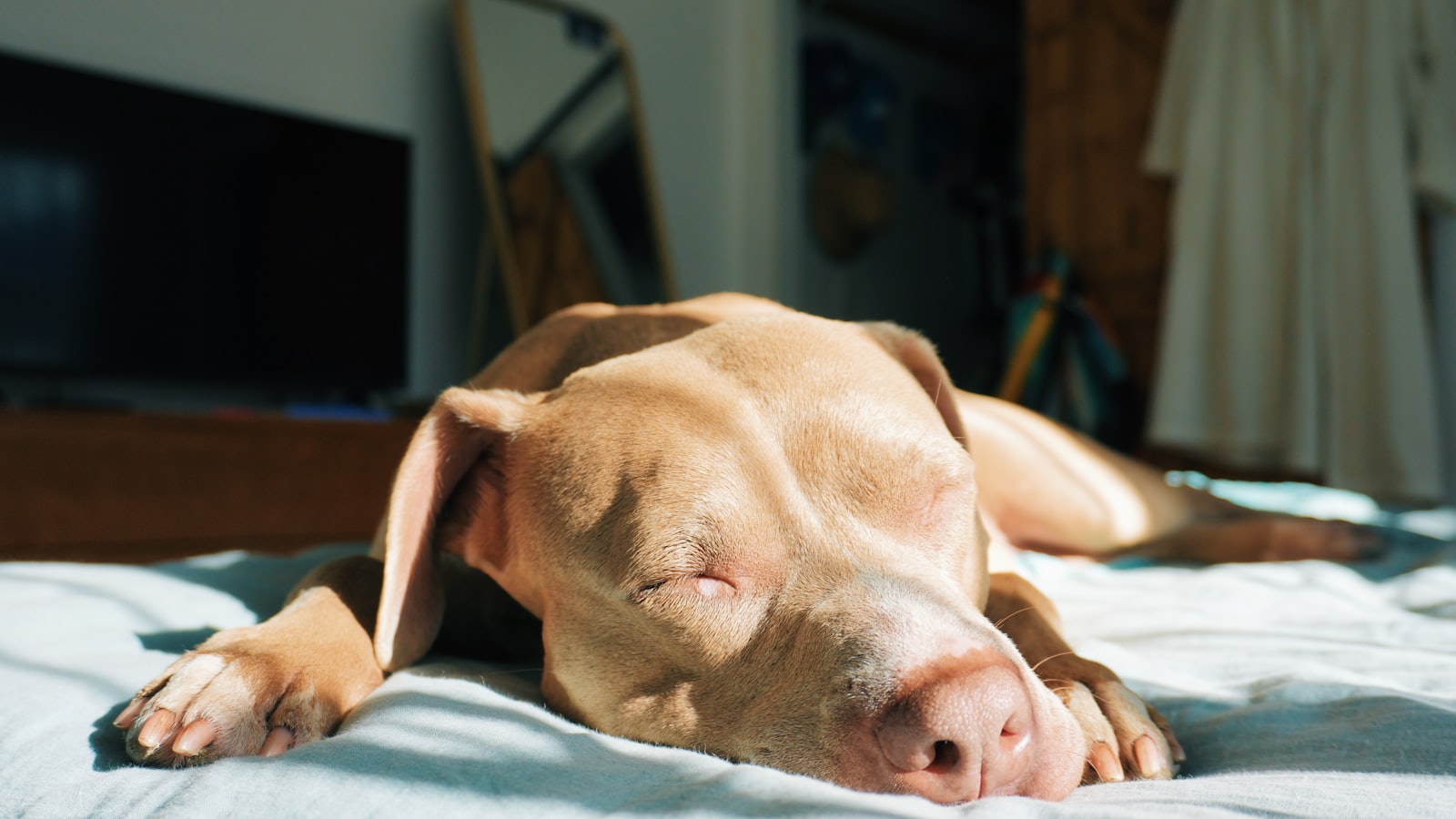
The pizza guy rings, and household chaos erupts: dog at the door, dog underfoot, dog auditing the transaction. Now run the alternate timeline — doorbell, "place!", and your dog trots to a bed by the wall, parks, and watches the whole event from assigned seating. Place training is the traffic-control system of a calm household: one word that converts your dog from participant to spectator, anywhere there's a mat and a doorbell.
Place gives your dog a job in every chaotic moment — and the job is: hold this spot, watch the show.
📋 Quick Read
- Place = go to the target + stay on it until released. It stacks three skills your dog already has (targeting, down, stay-style duration) into one household-changing cue.
- It differs from settle: settle is a nervous-system state; place is a position contract. The dream is both — a dog who goes to the spot AND melts there.
- The power move is anticipation: train place AT the triggers (doorbell recordings, dinner prep) so the chaos itself starts cueing the dog toward the bed.
- When place breaks — the bounce-off, the treat-first send, the real bell blowing past the recording — each pattern points at one link in the chain, and none of the fixes is a sterner voice.
What you need
Place runs on almost no equipment. A bed or mat with a visible edge — the boundary does real teaching, so a defined rectangle beats a vague heap of blankets. Small, soft treats in generous supply, because the bed is about to out-earn everything around it. A long-lasting chew for the duration phase — the self-reinforcing aboard-time trick. A phone that can play a doorbell sound, which becomes your volume knob on chaos. And a few five-minute sessions a day: place is assembled in short, cheerful reps, not evening-long campaigns.
Build the trot to the target
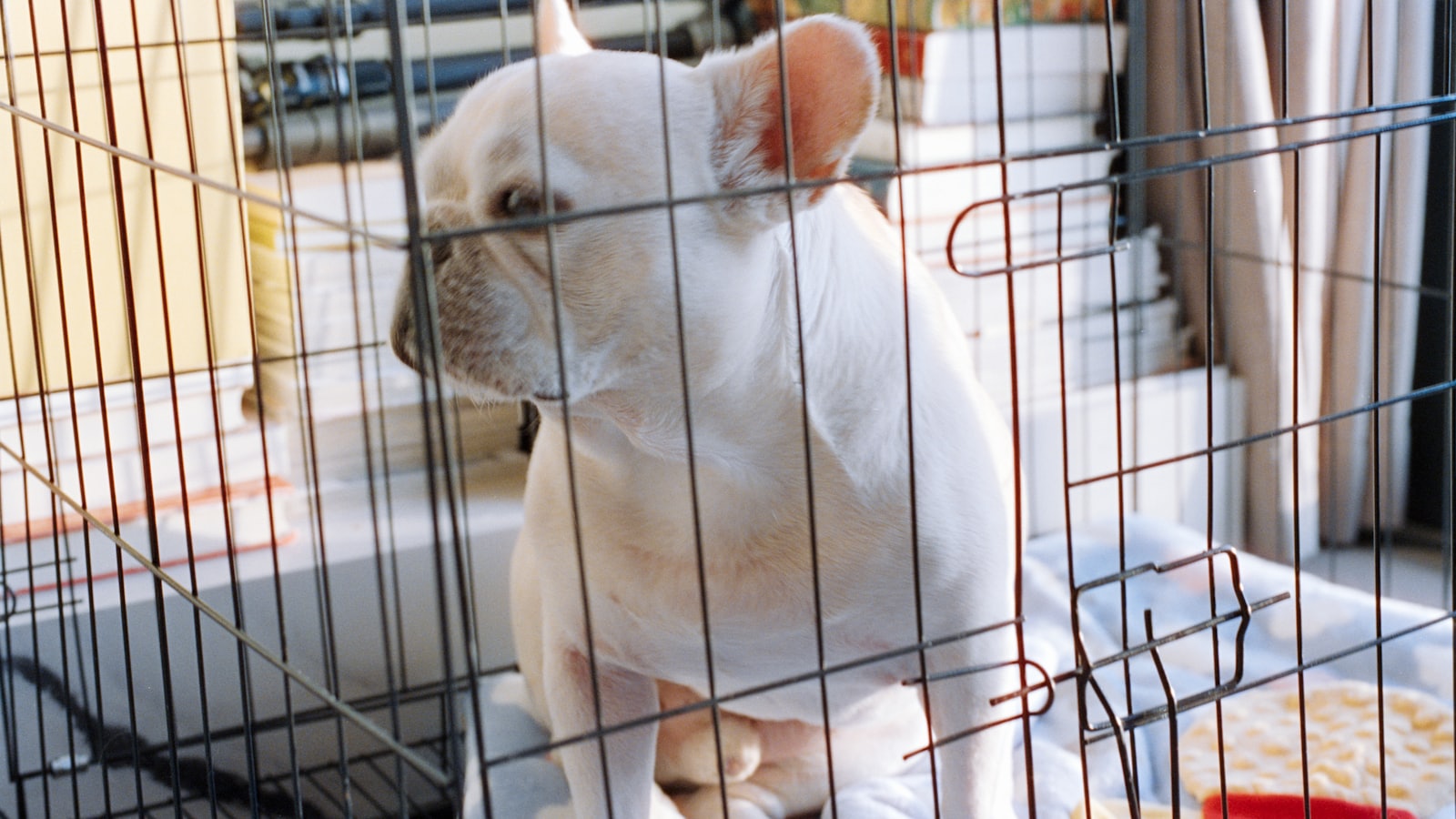
Pick the place — a bed or mat with a visible edge, stationed where a spectator would sit (view of the door, out of the traffic lane). Toss a treat onto it, mark as your dog lands, repeat until they're beating the treat there. Then cue "place" first, pay on arrival, and start asking for the down once they're aboard. Pay generously ON the bed — treats rain on place, never off it — until the bed reads as the best-paying square footage in the house. Then grow the send distance: one step away, across the room, from the next room.
The contract: stay aboard until released
Place without duration is just a scenic detour. Build the hold exactly like your stay work (this is where that lesson pays its dividend): seconds first, paid in position, released with your word before the dog self-releases; then add your movement — you walking away, sitting down, disappearing briefly — always returning to pay the held position. Break the "bed = brief visit" habit with a long-lasting chew delivered on place: fifteen self-reinforcing minutes of aboard-time per chew, no micromanagement required.
When to raise the stakes — and when to fold
Every dial in this build — send distance, hold time, your own movement — climbs on the same evidence. Ready looks like this: the cue produces an immediate, happy trot; the down happens on arrival without a second ask; and the release word, not a gap in your attention, is what ends the rep. When a level gives you that picture on eight reps out of ten, raise exactly one dial — a longer send, a longer hold, or more of your movement. Never two at once; place is a chain, and you're testing one link at a time.
When a level crumbles — hesitation mid-send, a perch instead of a park, a self-release the moment you turn away — that's a dial set too high, not a dog gone stubborn. Drop back to the last version your dog was fluent in, collect two easy sessions, and climb again. The bed's reputation is the whole asset here; a stretch of easy, well-paid wins protects it better than grinding through failures ever will.
Wire it to the chaos
Now the graduation sequence: play a doorbell recording at low volume, cue place, jackpot. Repeat until the recorded ding sends the dog bedward without a cue. Raise the volume, then recruit a human to ring the real bell, then add the actual door-opening, the greeting, the pizza handoff — dog holding place through each escalation, released only after the event settles. Run the same wiring for dinner prep, the toddler's snack hour, the vacuum's patrol route. Weeks, not days — but the endgame is a household where chaos itself dispatches the dog to assigned seating.
When place falls apart
Every place build snags somewhere between the first treat toss and the pizza handoff. The good news: the snags are predictable, and each one points at the link that needs work.
Trots to the bed, bounces straight off. The send is strong and the contract is missing — usually because duration climbed too fast, or because arrival is the only moment that ever pays. Shrink back to seconds-long holds paid in position, bring back the daily chew-on-place session, and make staying aboard the well-paid part again.
Goes beautifully — as long as they've seen the treat first. The lure never faded, so 'place' really means 'follow the hand.' Cue with empty hands, wait out the hesitation, and produce the payment from a pocket only after your dog commits. A rep or two of confusion now buys a cue that works when your hands are full of pizza.
Nails the recording, launches at the real bell. The jump from a phone speaker to the genuine article is bigger than it looks — the real bell is louder, and it arrives with real footsteps and a real door. Add rungs: full volume from right beside the door, then a helper ringing when nobody is actually visiting, so the bell often predicts nothing but a payday on the bed. When the ding stops mattering, the visitor gets easier.
Holds place while you hover, dissolves when you sit down. Your standing supervision became part of the picture. Train your own relaxation as its own dial: cue place, sit on the couch for three seconds, return and pay. Then ten seconds, then a page of your book, then briefly out of the room. A dog who holds place while you live your life is the actual goal — so your life has to enter the training.
Slinks to the bed low and slow. The trot has gone out of it — often a sign the cue picked up a thundercloud tone somewhere along the way. Re-brighten it: cheerful voice, short easy sends, lavish pay, and keep anything stern physically far from the bed. The word should sound like an invitation, because that's what you're selling.
Same cue, different dogs
The build doesn't change between dogs; the portions do. Puppies learn place in puppy units — two-second holds are wins, the chew carries the duration, and sends stay short because a twelve-week attention span is a soap bubble. Expect the skill to wobble in adolescence and rebuild fast. Adult rescues often need the bed itself sold first: a dog who's never had furniture of their own may not assume the comfy rectangle is for them. Let them discover it pays before you ask for anything — same method, longer warm-up.
High-drive dogs find spectating genuinely hard — asking a working dog to watch the doorbell drama from the bench is the expensive version of this skill. Exercise before you train, pay at a rate that feels almost silly, and let the chew do the long holds. Soft or sensitive dogs can read a long-distance send as banishment: keep early sends short and your tone bright, and station the bed where the household happens, not down the hall in exile. Place should feel like a box seat, not a penalty box.
Assigned seating, for the life of the household
Built out, place stops being a drill and becomes the household's traffic system. Dinner prep happens with the dog on the bed. Homework, package signatures, the vacuum's patrol, the guest who's nervous around dogs — one word, and the chaos gains a spectator. Its neighbor skills each hold their own lane: Settle teaches the melt itself, Stay holds any position anywhere, and Go to Bed is this exact skill pointed at nighttime. Place is the daytime version — a position contract with an address.
Maintenance is cheap. Keep occasional jackpots landing on the bed forever so the square footage never devalues, re-run the doorbell wiring after any long break, and re-stage the Pizza Protocol every month or two as an honest audit. A well-funded place cue quietly earns its keep at every door-ring for a decade — which, per treat, may be the best deal in dog training.
🗓 This Week's Plan
- Days 1–2: Target-building — treat tosses, cued sends, all pay on the bed.
- Days 3–4: Add the down and the first held minutes; deliver one chew-on-place session daily.
- Days 5–7: Doorbell recordings at climbing volume, then the Pizza Protocol with a live visitor.
Start the Place plan in Pak Social
Drop a bed by the wall and toss the first treat tonight. Two weeks of link-building and the doorbell stops being a starting gun — it becomes the cue for assigned seating.
Get Pak Social — Free ➡️ Up nextTeaching Go to Bed: Peaceful Nights for Everyone9 min read›