Proofing Recall Around Distractions
Your dog comes every time in the kitchen and ignores you at the park. Here's how to close that gap on purpose.
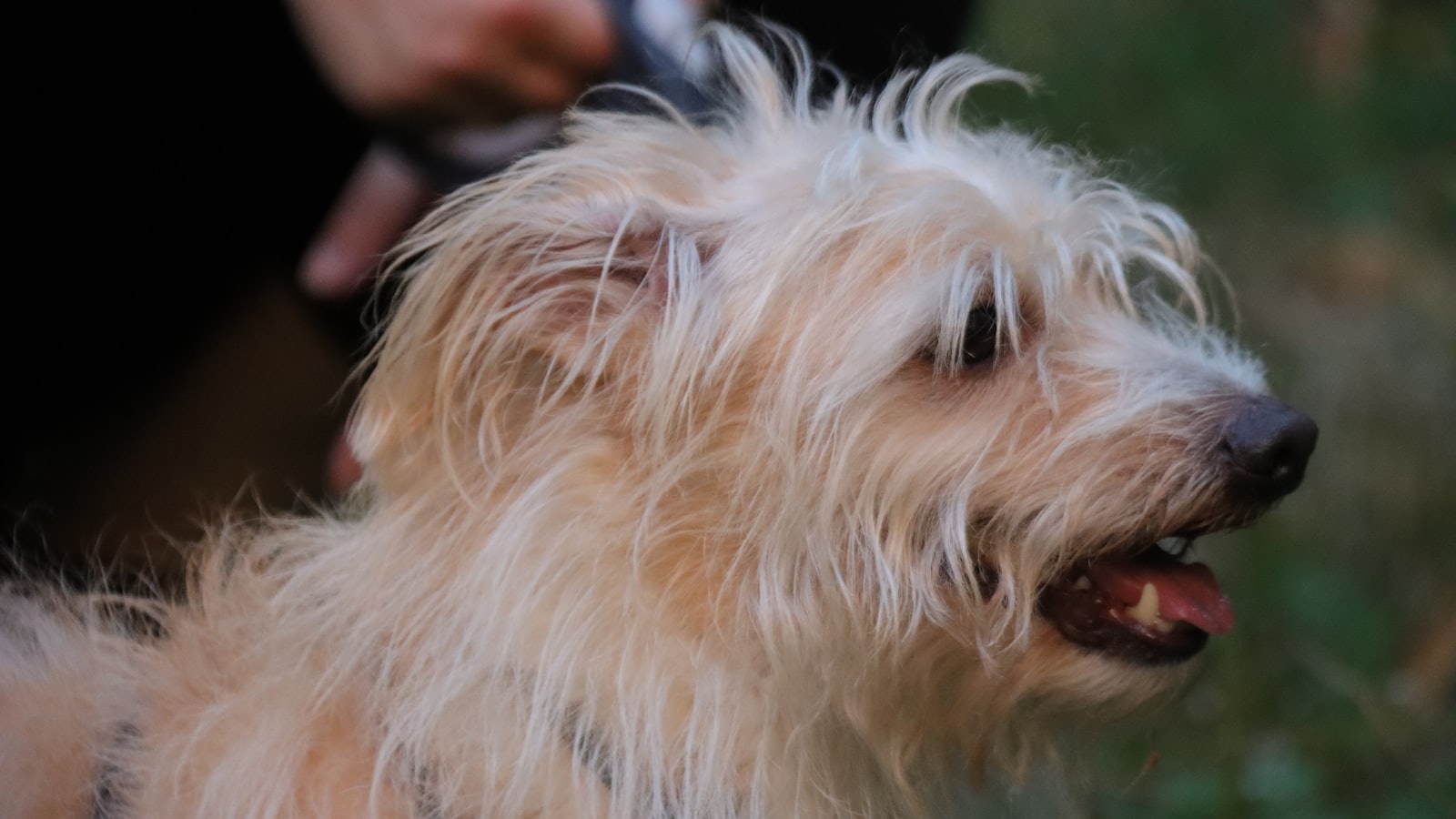
Your dog nails "come" in the living room a hundred times in a row. Then a squirrel crosses the trail and it's like the word was never invented. Here's the reframe that changes everything: your dog isn't blowing you off. To a dog, "come" in the quiet kitchen and "come" next to a bouncing tennis ball are two completely different cues — and you've only trained the first one. Proofing is how you teach the second.
Your dog isn't ignoring you at the park. You just never trained “come” at the park.
📋 Quick Read
- Dogs barely generalize. A perfect recall at home doesn't transfer to the park on its own — you have to rebuild it at each new difficulty level.
- Distraction is a dial, not a switch. You raise it one notch at a time and keep winning, instead of jumping straight to the hardest environment and failing.
- The fastest way to ruin a recall is to call once, get ignored, and repeat. Every unanswered “come” teaches your dog the word is optional.
- Proofing misses come in patterns — the one un-climbable distraction, the rung that vanishes overnight, the slow-motion win — and each points to its own fix, not to a stubborn dog.
What you need
Proofing travels light. A 15–30 ft long line clipped to a harness — your safety net for every rung above the backyard (the Long-Line Recall Practice lesson covers the handling in full). Truly premium treats, because the outdoor world sets the prices and kibble doesn't clear them. A way to track wins by location — a pocket note or the app — since proofing is a numbers game you'll want receipts for. And ten minutes at a time: proofing sessions stay short, because fresh reps beat tired ones.
Distraction is a ladder, not a leap
Picture every environment as a rung on a ladder: the living room, the hallway, the backyard, a quiet street, a busy path, the park at a distance, the park up close. Your dog can only climb one rung at a time. If "come" is solid in the backyard, you don't test it at a crowded park next — you move to the quiet street, prove it there, then keep going.
Use a long line (a 15–30 ft leash) as your safety net on the middle rungs. It lets your dog feel free while guaranteeing you never have to test a recall you might lose — because a recall your dog ignores is a recall you're accidentally un-training. The generic ladder gets you started — but the rungs that matter most are the ones only your dog can name.
Draw your dog's actual ladder
Here's the quiet secret of proofing: the ladder isn't standard-issue. Every dog ranks the world differently, and the living-room-to-park sequence is only a sketch. A Beagle's rung four is a fresh scent trail; a Border Collie's is a jogger; a Lab's might be a toddler holding a sandwich. So spend five minutes writing your dog's personal top ten — every distraction you can name, ranked from 'barely notices' to 'ceases to know you exist.' That list is your real curriculum.
Then turn the list into training setups by remembering that every distraction has a volume knob: distance. A dog playing fetch fifty feet away is a middle rung; the same dog at fifteen feet is the top of the ladder. You don't wait for the world to serve up the right difficulty — you create it by choosing where you stand. Start each new distraction at a distance where your dog notices it, glances, and can still turn on the first call. That's the working edge, and all the growth happens there.
And stage what you can't find. A tennis ball lying still in the grass, a scatter of kibble under an upturned bowl, a family member strolling past mid-recall — engineered distractions let you rehearse the exact rung you need on a quiet Tuesday, instead of gambling on whatever the park happens to offer.
Pay like the park is competing for your dog
Out in the world, you're bidding against squirrels, other dogs, and a thousand smells. Boring kibble won't win that auction. For proofing, bring the good stuff — real chicken, cheese, whatever your dog would sell you out for — and pay generously the instant they turn toward you. You're not bribing; you're making "come" the best bet available.
Then release them back to the fun. If "come" always ends the sniffing or the play, a smart dog learns to avoid it. When "come" means "treat, then go be a dog again," coming back stops feeling like a trap.
When to climb, when to camp
The climb has a metric and a look. The metric: about 9 of 10 first-call wins at the current rung before you move up — proofing runs on stacked successes, and a rung passed at six-of-ten is a rung you'll be re-doing from lower down. The look: the head-snap. A dog who's genuinely ready whips toward you the instant the word lands, even mid-sniff, and arrives at a trot or better. A dog who pauses, finishes the sniff, then comes is passing on a technicality — camp there and keep paying until the snap shows up.
Descending is part of climbing. New location, off day, one rough rep — drop a rung without ceremony, bank two easy wins, and climb again. The proofing ladder isn't a course you complete; it's terrain you'll move around on for the life of the dog, and the owners who treat down-climbing as normal are the ones who reach the top rungs fastest.
Protect the word so it never gets weak
Guard your recall cue like it's valuable, because it is. Don't use "come" for things your dog dislikes (nail trims, bath, leaving the park), or you'll poison it. Don't repeat it into the void, either — if you're not confident your dog will respond, don't spend the word. Go get them, reset, and make the next rep easier.
When the ladder wobbles — reading the misses
Even careful proofing produces misses, and each kind of miss points somewhere specific.
Solid on every rung except one particular distraction. Usually other dogs, sometimes squirrels or bikes. That distraction needs its own mini-ladder: start at whatever distance lets your dog notice it and still win, pay hugely for every choice in your direction, and shrink the gap across sessions, not minutes. One heavyweight distraction can't be muscled through at close range — it has to be climbed like everything else.
A rung that was solid Monday is gone Wednesday. Same yard, different dog — because the environment wasn't actually the same: new smells overnight, higher arousal after a skipped walk, a neighbor's cat an hour earlier. Difficulty isn't fixed to a location; it lives in the moment. Drop down, win twice, climb back — no drama required.
Wins, but slower at every new rung. The recall is holding; the pay isn't keeping up with the prices. Each rung up is a real raise in what your dog gives up to come, so the reward has to climb with it. Upgrade what's in the pouch for the hard rungs, and lean on the release-to-play — out there, it's often worth more than food.
No distance seems far enough. If you can't find any spot where your dog can notice the distraction and still answer, you're not too close — you're at the wrong distraction entirely. Downgrade to a staged version: the calm dog behind a fence instead of the loose one, the dropped ball instead of the thrown one. Every distraction has a beginner edition if you're willing to manufacture it.
Perfect in practice, gone on 'real' outings. If proofing only happens in designated sessions, your dog learns the difference between class and life. Fold one or two surprise recalls into ordinary walks and park trips — same word, same pay, no announcement — so the skill stops checking whether this one counts.
Same ladder, different dogs
Puppies live on the bottom rungs — to a four-month-old, the whole outdoors is one giant distraction, so a puppy ladder has twice the rungs at half the height. Keep sessions tiny, and expect the adolescent backslide around six to twelve months: rungs you passed will wobble, and re-climbing them quickly is normal, not regression. Adult rescues often ladder unevenly — bombproof around traffic, undone by a plastic bag — because their history built a different ranking than you'd guess. Let their reactions write the list; don't assume the standard order.
High-drive dogs respond best when the distraction itself goes on the payroll: come when called, get released to chase the scent or sprint the field. For a dog like this, access to the distraction is the jackpot, and using it that way turns your biggest rival into your best employee. Soft or sensitive dogs need the opposite care — a missed recall followed by even mild frustration in your voice can make the next rep worse, so keep the tone bright, make the rungs smaller, and let this dog collect a longer streak of wins before each climb.
Proofed today, proofed for good
A proofed recall isn't a certificate; it's a garden. The seasons replant the distractions — spring squirrels, summer barbecues, the first snow that makes every dog eighteen months younger — so re-run your dog's hardest rungs a few times a month, paid like they still matter, because they do. And keep the recall-and-release alive at the park, so the word never quietly comes to mean closing time.
Know where this lesson hands off, too. When you're winning on the high rungs with the long line still attached, Long-Line Recall Practice covers the graduation math for taking it off — and Emergency Recall You Can Trust adds the separate, never-spent word for the day the ladder isn't enough. The main build, How to Train a Reliable Recall, gave you the word; proofing is how you make it true everywhere. Keep climbing, keep paying, and the park version of your dog will start answering like the kitchen version always has.
🗓 This Week's Plan
- Days 1–2: On a long line, prove “come” one rung above where it's easy — the backyard or a quiet street. 10 reps, jackpot every single one.
- Days 3–4: Add one real distraction at a distance your dog can still succeed. Rate each recall's Reliability Score and note the setting.
- Days 5–7: Only if you're winning ~9/10, move up one rung. If not, hold — repetition at the current level beats a failed leap to the next.
Start the Recall Proofing Challenge in Pak Social
Log your reps and rate each recall as you climb the ladder. In a week you'll see the Reliability Score rising rung by rung — and know the precise moment your dog is ready for a harder environment.
Get Pak Social — Free ➡️ Up nextEmergency Recall You Can Trust9 min read›