Marker Words and Timing
The half-second between behavior and reward is where training actually happens. The marker — a click or a crisp 'yes!' — is how you own that half-second.
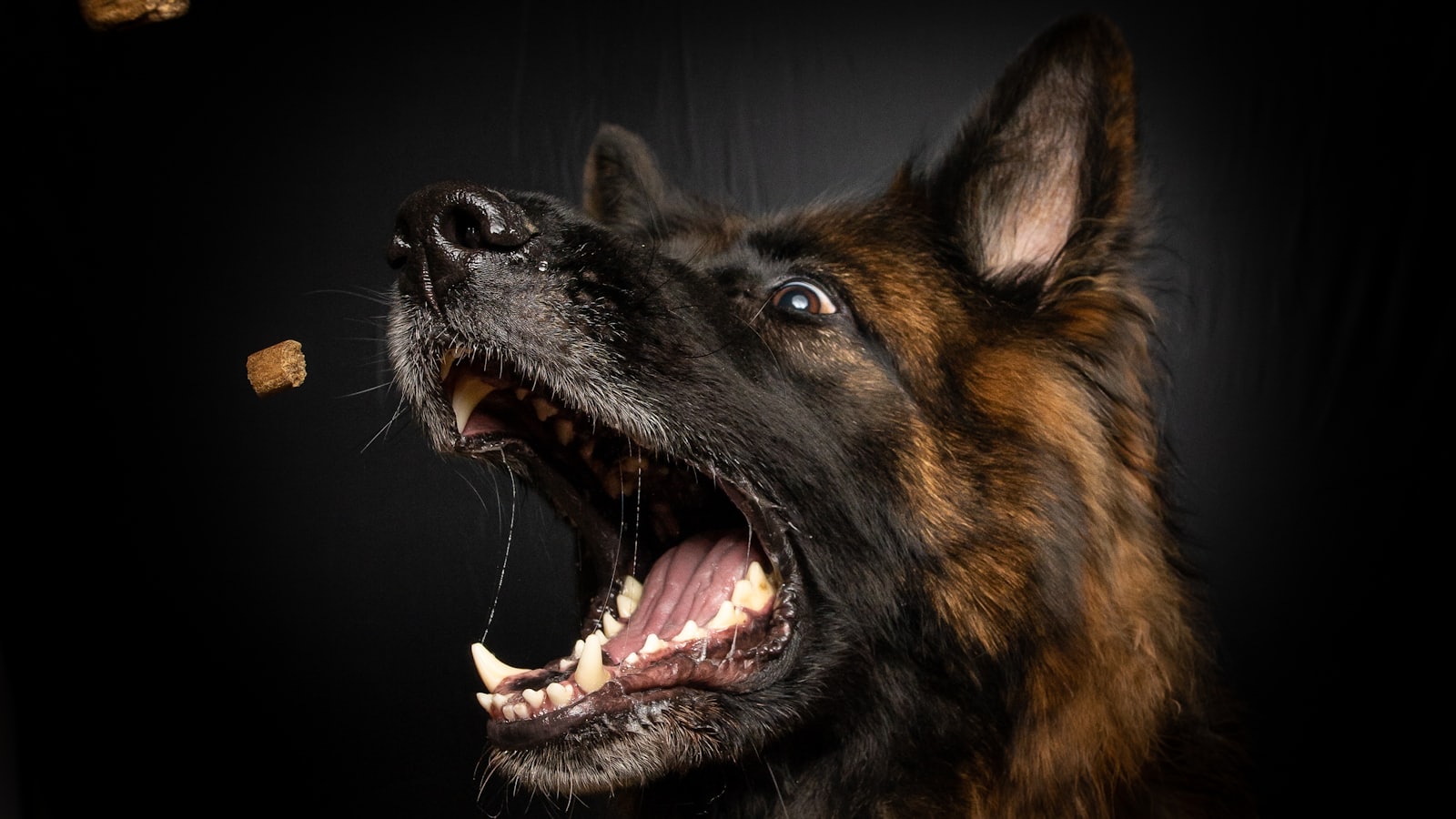
You ask for a sit, the dog sits, you fish the treat out of your pocket, and by the time it arrives the dog has stood up, sniffed your shoe, and glanced at the door. Congratulations: you may have just paid for shoe-sniffing. This is the timing problem every trainer solves the same way — a marker: one crisp sound that means 'THAT, exactly that, payment incoming' — and learning to use one well upgrades every single thing you'll ever teach.
The treat pays the behavior, but the marker points at it. Without the pointer, you're paying whatever happened last.
📋 Quick Read
- A marker (clicker or a short, consistent word like 'yes!') bridges the gap between the exact behavior and the arriving reward — dogs learn from what the mark touches, not what the treat touches.
- It gets 'charged' first: mark-then-treat, ten times, no behavior required — until the sound itself makes ears perk. Then it can pinpoint anything.
- Timing is the skill: mark the instant the butt hits the floor, the paw lifts, the eyes meet yours — a half-second late and you're marking (and building) something else entirely.
- Markers fail in predictable ways — the wallpaper word, the hand that out-signals the sound, the classroom-only mark — and every one traces back to charge, contract, or timing.
What you need
Ten pea-sized treats and a quiet room — that's the whole charging kit. Your marker: a clicker if you have one, or a short, crisp word like 'yes!' said the same way every time (the clicker itself gets a full course of its own in Clicker Training 101). A ball, a TV, or a set of keys for the dogless timing drills. And two minutes at a stretch — timing practice works best in espresso shots, not marathons.
Charge it, then point with it
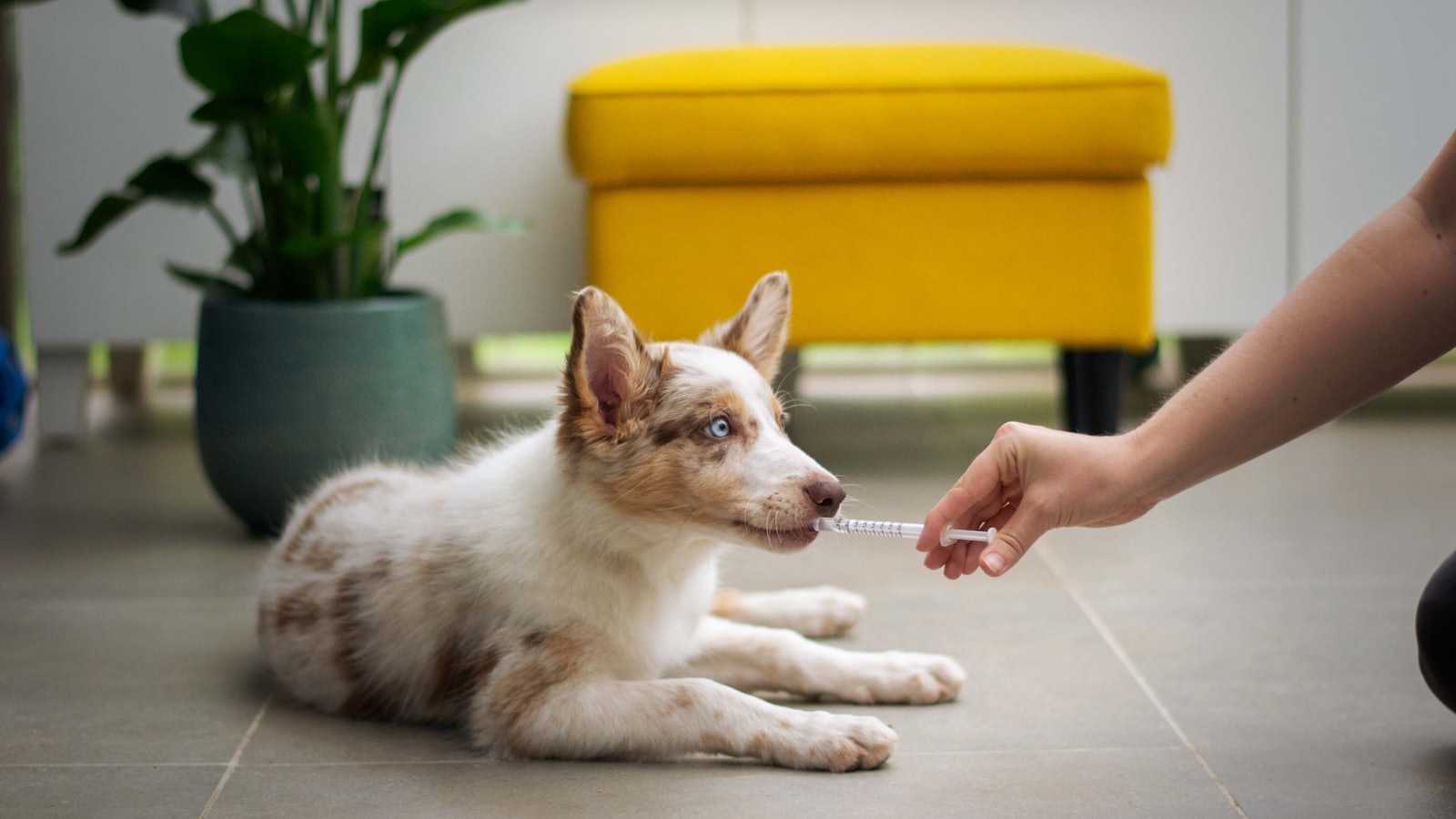
Session one is pure association: dog mildly hungry, ten treats ready. Click (or say your crisp 'yes!') — treat. Pause. Click — treat. No behavior asked, no position required; you're teaching the sound's meaning, nothing else. Most dogs show the tell within a dozen reps: the sound fires and ears perk, head snaps toward you, eyes brighten — the marker is charged. From then on, it points: mark the instant of the behavior you want (butt touching floor, nose touching hand, paw lifting) and deliver the treat afterward at whatever speed pockets allow. The mark did the timing work; the treat just settles the bill.
How to know the marker is ready to work
Test the sound cold before you build on it. In a calm moment — no treats visible, no session running — fire the marker once. A charged marker gets the tell every time: ears up, head around, eyes bright with the specific look of a dog doing arithmetic about your pockets. If the tell is inconsistent — sometimes electric, sometimes nothing — the association needs more deposits, not more testing. Run another pure mark-then-treat session and try again tomorrow.
Once the tell is reliable in one room, confirm it travels: kitchen, yard, hallway, mid-walk. Every new setting takes a few reps to catch up, and it's worth catching them all up now — this one sound is about to become the backbone of everything else you train, and a marker that only works in the living room builds skills that only work there too.
Train YOUR timing (the human half)
Marker timing is a motor skill, and it's yours, not the dog's — so drill it dogless first: bounce a ball and click the instant it hits the floor; watch TV and mark every time a character blinks; have a family member drop keys and beat the sound to the ground. You're building the reflex that fires on the event, not after your brain narrates it. With the dog, start marking easy, obvious moments (the sit you can see coming, the nose-touch you invited), and review yourself honestly: if the dog keeps offering the behavior-after-the-behavior — standing up from sits, lifting the head after the down — your mark is landing late, and the dog is faithfully learning your actual timing rather than your intentions.
When the marker misfires
The sound gets no reaction at all. Either it was never truly charged, or it drowned in daily chatter — a 'yes' that also means 'good dog,' 'move over,' and 'I agree with the television' marks nothing. Pick a cleaner sound (or the clicker, which can't be muttered) and charge it from zero.
Your dog works the treat pouch, not the behavior. If your hand drifts pouch-ward before the mark, the hand becomes the marker and the sound becomes decoration. Hands quiet and still until after the sound, every rep — the order is behavior, mark, then movement toward payment. Dogs read hands fluently; make yours boring until the marker has spoken.
Sharp sound, shrinking dog. Some soft dogs flinch at a barked 'YES!' or a loud click. The fix is volume and tone, not abandoning the tool: soften the word to a warm, quick 'nice,' or muffle the clicker in a pocket, and recharge. A marker should land like good news, because that's exactly what it is.
Different family members, different sounds, one confused dog. A marker is a household currency, and three competing mints devalue it. Agree on one word, one delivery, one contract — post it on the fridge if you have to — and let everyone run a short charging session, so the sound pays no matter whose mouth it comes from.
Flawless in sessions, absent in real life. If the marker only ever appears alongside the pouch and the training mat, your dog learns it's classroom equipment. Carry a few treats on ordinary walks and mark the real-world gold — the check-in, the calm pass-by, the recall turn — so the pointer works everywhere life happens.
Same half-second, different dogs
Puppies should meet the marker in their first week home — it's the single highest-leverage thing to install early, because every later skill inherits its clarity. Keep charging sessions to a handful of reps; puppy attention is a soap bubble. Adult rescues may carry baggage on common words — if 'yes' or a sharp tone makes them wary, choose a fresh, neutral sound and let it build its own clean history, the same fresh-start logic the recall lessons use for poisoned cues.
High-drive dogs benefit most from the precision: their speed produces five behaviors where a slower dog offers one, and only a well-timed mark can tell them which of the five paid. Expect to sharpen your own timing just to keep up. Soft and sensitive dogs often do their best learning with a marker precisely because it's tone-proof — the mark never sounds disappointed — so lean on it, keep the delivery warm, and let the sound do the talking your worried dog can trust.
Clicker or word? (and the contract either way)
The clicker wins on precision — identical every time, emotionally neutral, unmistakable — which matters most for shaping fine slivers and for soft dogs who parse your tones. The verbal marker ('yes!' — short, distinct, said the same way every time) wins on availability: it's installed at the park, in the kitchen, mid-walk when the perfect check-in happens and the clicker is in the other coat. The professional answer is both: clicker for teaching sessions, word for life. Whichever you use, the contract is absolute — every mark gets paid, including your mistakes (a mistimed click still pays; the account's credibility is worth more than one errant treat), and the marker never gets diluted into praise, attention-getting, or recall duty. Guard the meaning, and the half-second belongs to you for the dog's whole career.
A half-second that lasts a career
From here, the marker quietly runs everything: it's the engine inside shaping, the precision behind polished positions, and the reason your future lessons will move faster than your past ones. Maintenance is light but real — keep the contract absolute, re-run a Blink Drill whenever your timing feels mushy, and film a session every month or so, because late marks are invisible from inside the moment and obvious from outside it.
Finished behaviors gradually need the marker less; new ones always need it fresh. That rhythm — mark the new, relax on the known — is the marker's whole career, and yours as a trainer improves at exactly the rate this half-second does. Own it, and every lesson in this program gets easier the day it arrives.
🗓 This Week's Plan
- Days 1–2: Charge the marker (one session) and confirm the ears-perk tell.
- Days 3–4: Run the Blink Drill dogless; then mark ten easy live behaviors with honest self-review.
- Days 5–7: Deploy into one real skill (a sit polish or a shaping project) and install the verbal backup marker.
Charge your marker with Pak Social
Ten clicks, ten treats, one perked ear — tonight. Own the half-second, and everything you teach from here on arrives faster and cleaner.
Get Pak Social — Free ➡️ Up nextClicker Training 1019 min read›