Clicker Training 101
A two-dollar plastic box, a sixty-year-old science, and the fastest honest way to teach a dog almost anything. The complete starter course.
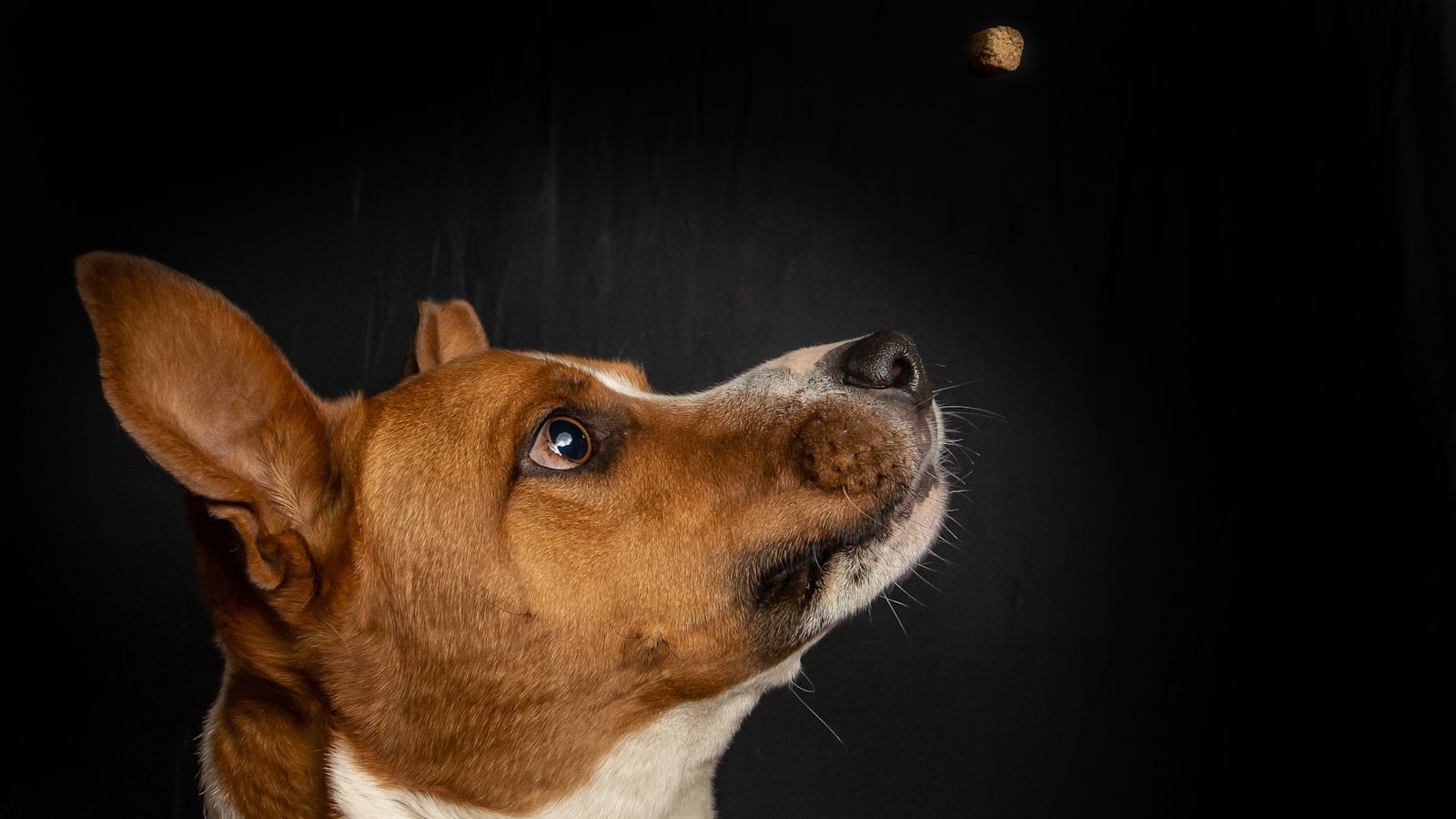
It looks like a toy: a plastic box that clicks. But that click — used right — is the most precise communication channel you'll ever open with your dog: a sound that means 'that exact thing you just did is why the treat is coming.' Clicker training took animal training by storm for a simple reason: it works on everything from goldfish to grizzlies, and dogs take to it like they've been waiting for someone to finally speak clearly.
The clicker doesn't train the dog. It ends the guessing — and a dog who isn't guessing learns at double speed.
📋 Quick Read
- The clicker is a charged marker (the marker lesson's mechanics in dedicated hardware): identical every time, emotionally neutral, and precise to the split second — perfect for pinpointing behavior.
- The starter loop is charge → capture → cue: charge the click, click the behaviors you like as they happen, and attach words only once behaviors are fluent.
- It shines brightest on new learning — shaping, tricks, precision work, soft or fearful dogs — and it retires gracefully: once a behavior is on cue, the clicker's job there is done.
- Clicker problems are mechanics problems — the upstaged game, the pay rate that dropped, the tool that became the classroom — and each has a small, specific fix.
What you need
A box or button clicker — a couple of dollars at any pet store; button styles run quieter for sound-aware dogs. Pea-sized soft treats in serious quantity, because clicker sessions run at a high pay rate on purpose. A treat pouch or loaded pockets, since capture only works if the payment is on you when the moment happens. And a slightly hungry dog — right before mealtimes is prime clicker real estate.
The starter loop: charge, capture, cue
Charge (day one): click-treat, click-treat, ten times — no behavior asked — until the click makes ears perk (the marker lesson's opening, verbatim). Capture (days two through five): carry the clicker through daily life and click the moments you like as they occur — the sit you didn't ask for, the check-in on the walk, the settle on the mat, four-on-the-floor while guests arrive. Treat follows every click, always. Your dog starts repeating what got clicked — that's capture working: you're editing behavior you didn't have to produce. Cue (once a behavior is offered reliably): say the word just before the behavior happens, click, pay — and the word inherits the behavior, exactly as every lesson in this program sequences it: behavior first, name after.
When a behavior earns its name
The word comes only when the behavior is predictable — and predictable has a definition: your dog offers it several times per short session, and you can feel the next one coming a beat before it happens. That beat is the whole trick, because you'll be slipping the cue into it. If you can't predict the behavior, you can't name it yet; keep capturing and let the offer rate climb.
The same logic governs the jump from capturing to shaping: shape only after your dog has learned the capture game — the throwing-behaviors-at-you stage described in the mechanics section below. A dog who offers freely has learned that experimenting pays, and that's the raw material shaping is built from. A dog who waits to be told isn't behind; they just need more capture wins before the workshop opens.
Mechanics that make or break it
Click once per behavior (double-clicking dilutes meaning), treat after every click without exception (the marker contract — even mistimed clicks get paid), keep the clicker off the dog (click from your side, never pointed like a remote at their face — sound-sensitive dogs appreciate a muffled first session, clicker in your pocket), and mind your timing (the marker lesson's Blink Drill applies in full — the clicker is only as precise as the thumb behind it). Sessions stay short and generous: five minutes, high click-rate, quit while eager. And if your dog fears the click sound itself (a small minority do): wrap it, soften it, or simply use the verbal marker — the science is the same; the hardware was always optional.
When the clicking goes wrong
Your dog stares at the clicker or your treat hand instead of doing anything. The hardware upstaged the game. Clicker behind your back or in a pocket, treat hand still until after the click, and wait — the first glance away from the equipment is itself clickable, and it restarts the game.
Clicks happen, repeats don't. A charged clicker plus a clicked behavior should produce more of that behavior; if it isn't, the payment isn't landing. Check the treats (you may rate them higher than your dog does), the rate (long droughts between clicks lose the plot), and the charge itself — a quick cold test of the click, ears-perk tell required, settles the question.
Frantic behavior-spam: pawing, spinning, barking, whining. An over-revved learner, usually from a pay rate that dropped too low. Click more, for easier things, and end the session while it's still going well — three good minutes beat ten ragged ones. Frustration means the game got too expensive, not that the dog got worse.
The clicker comes out and your dog turns into a student; it goes away and school's out. The tool became the context. Blend it into life: click from the couch, on walks, mid-chore, at random hours — and hand some maintenance work to your verbal marker, so good behavior pays whether or not the plastic is present.
Two family members, two clickers, one scrambled session. One operator per session, always — a click your dog didn't earn is a lie with a soundtrack. Everyone can play, but they take turns, and everyone honors the same click-once, pay-always contract.
Same click, different dogs
Puppies and clickers are a famous pairing for good reason: capture meets a creature with no bad habits competing against the good ones. Keep sessions at two or three minutes and click generously — you're building a learner, not a résumé. Rescues and shut-down dogs may take days to offer anything at all; that's not stubbornness, it's a history where trying wasn't safe. Click the smallest tries — a glance, a weight shift, a single step — and let the dog discover that experiments pay here. For many worried dogs this game is the first conversation they've ever had where they control the outcome, and you can watch the confidence arrive.
High-drive dogs generate offered behaviors faster than most owners can click — sharpen your own timing (the marker lesson's drills carry the load) and keep your criteria clear, because this dog will happily invent things you didn't mean to teach. Low-drive or food-casual dogs aren't clicker-proof; they're underpaid. Better treats, shorter sessions, pre-meal timing — and the offered-behavior rate usually finds its legs.
Where it shines, and when to put it down
Reach for the clicker for: shaping projects (the mat, the chin rest, the tidy-up — its home turf), trick training (the tricks-tier lessons all accelerate), precision polish (a straighter sit, a faster down), capture campaigns (settle, check-ins, four-on-the-floor), and fearful-dog work, where the neutral click plus the dog-drives-the-session structure builds confidence hands-on methods can't. Let it rest for: behaviors already fluent on cue (maintain with the verbal marker and life rewards), high-arousal outdoor moments where your hands are full of leash (the verbal marker travels lighter), and anything the dog finds the sound scary for. The endgame is fluency in both — clicker for the workshop, word for the world — with the plastic box living in the treat drawer, ready for the next new thing you dream up together.
A clicker habit, not a clicker phase
The dogs who get the most from clicker training aren't the ones with the longest sessions — they're the ones whose owners kept the habit small and permanent. Pick a new project every month or two: a chin rest, a tidy-up, a camera-ready head tilt. Run a fresh capture campaign whenever life changes — a move, a new baby, a second dog — because clicking the choices you want to see more of is the fastest way to steer a household through change. And when any behavior stalls, from any lesson, the clicker is your workbench: slice the behavior thinner, click the slivers, and find exactly where the understanding stops.
The sound's deeper mechanics — the timing, the contract, the verbal backup — live in Marker Words and Timing, and the click's greatest showcase waits one lesson ahead in shaping. The two-dollar box has one more trick, and it's the best one: a dog who's learned that offering behavior pays never stops offering, and that dog is a joy to live with for the next decade. Keep the clicker in the treat drawer, and keep the conversation going.
🗓 This Week's Plan
- Days 1–2: Buy (or find) the clicker; charge it in one session; muffle it if your dog startles.
- Days 3–5: Run the Capture Week — ten clicked choices a day, treat every time.
- Days 6–7: Name the most-offered behavior, and pick your first shaping project for the clicker's real debut.
Start Clicker 101 in Pak Social
Charge it tonight, capture all week, name what shows up. The clearest conversation you'll ever have with your dog starts with one click.
Get Pak Social — Free ➡️ Up nextShaping New Behaviors10 min read›