Loose-Leash 'Let's Go' and Direction Changes
The two skills that turn loose-leash walking from a kitchen trick into a street skill: a cheerful pivot cue, and a dog who tracks your direction like a dance partner.
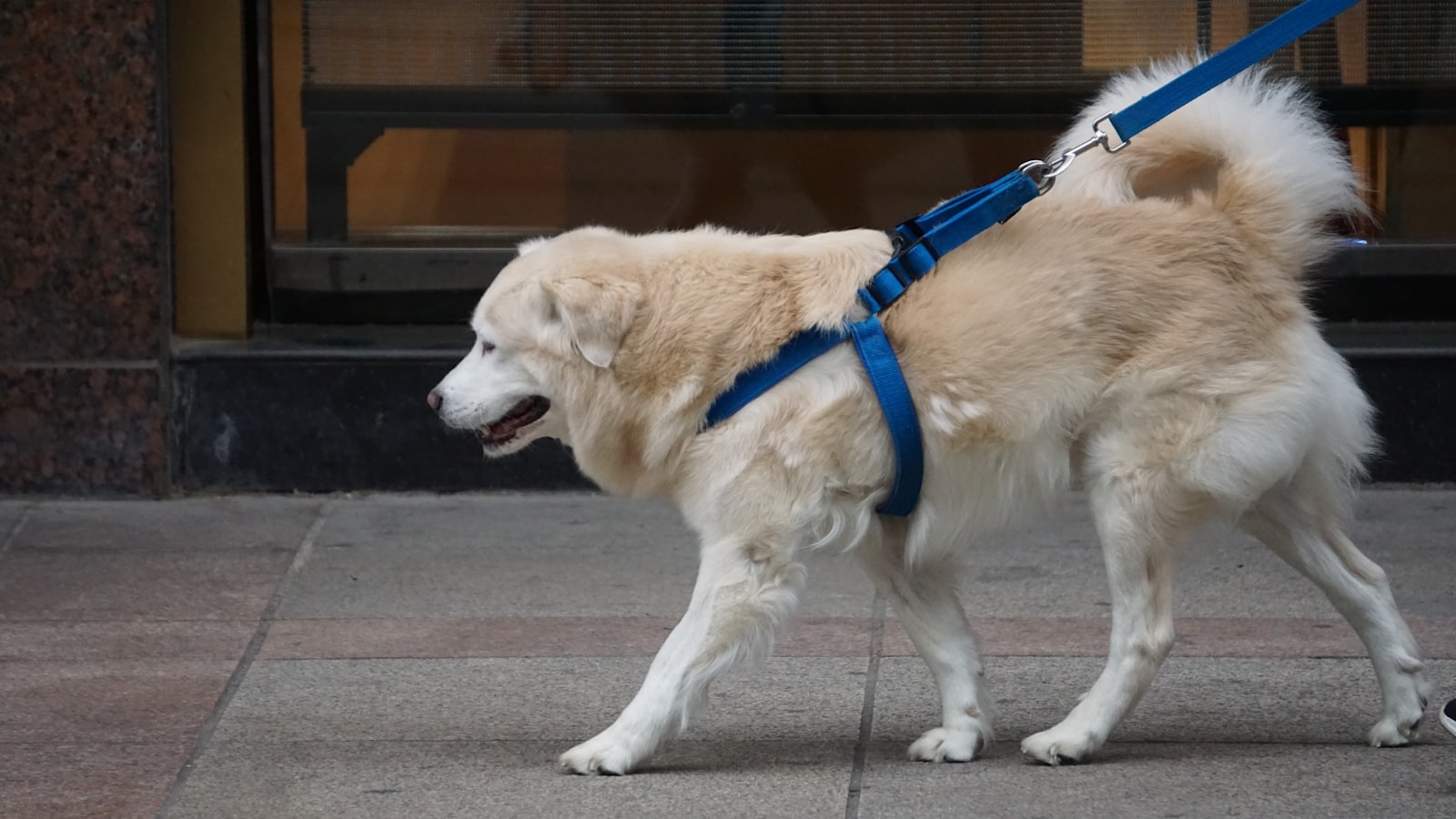
Your loose-leash basics are solid — until the sidewalk offers an opinion: the chicken bone ahead, the reactive dog rounding the corner, the friend your dog desperately wants to tow toward. What's missing isn't more heel drills; it's steering: a trained 'let's go!' that turns your dog with you cheerfully, and direction-change games that make following your path your dog's favorite guessing game. Together they're the difference between walking a route and negotiating one.
'Let's go' isn't a command to leave — it's an invitation to the next thing. Dogs follow invitations at a run.
📋 Quick Read
- 'Let's go' is a trained pivot: cue, cheerful turn, pay at your side after two steps — built indoors, it becomes the escape hatch for every sidewalk surprise.
- Direction-change games make you unpredictable-in-a-fun-way: random turns paid at the seam teach the dog to track YOU, which quietly cures the forge-ahead habit better than any leash pressure.
- The pair runs on cheerfulness: a happy pivot keeps the emotional temperature down exactly when you need it down — the u-turn away from trouble works because it feels like a game, not a retreat.
- The steering fails in familiar ways — the trailing pivot, the street-deaf cue, the trigger that outbids it — and each one is a charging or distance problem with a specific fix.
What you need
Your regular 4–6 ft leash and the flat collar or harness your dog already walks in. A pouch of small, soft treats you can deliver fast at your pant seam — the pay happens mid-stride. A hallway for the first sessions, then a yard or quiet parking lot for the games. And your something-wonderful voice, because in this lesson the cheerfulness isn't decoration — it's half the machinery.
Charge 'let's go' indoors
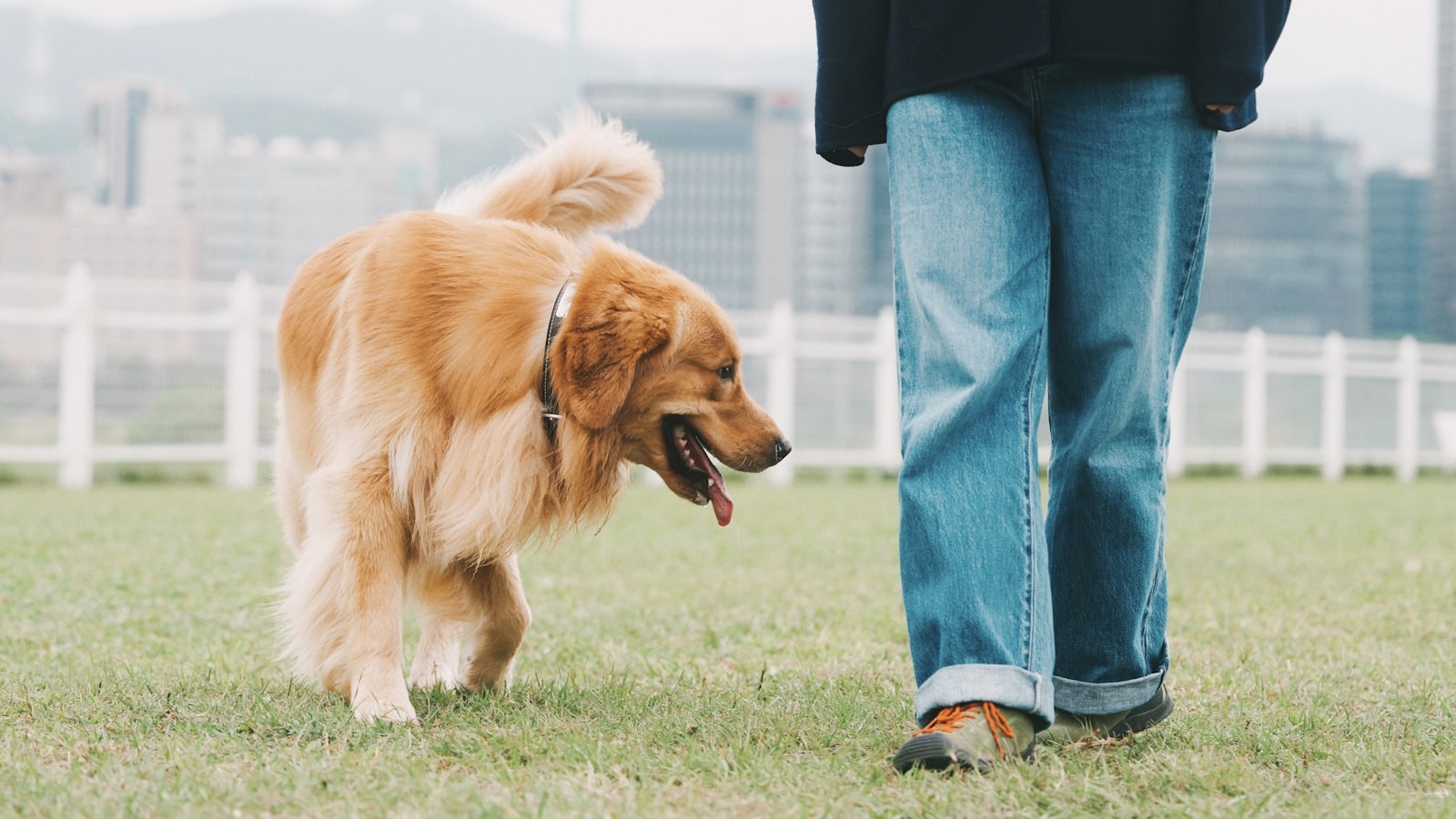
Hallway, leash on, treats at the seam: walk a few steps, say 'let's go!' in your best something-wonderful voice, pivot 180 degrees, and pay at your side within two steps of the new direction. Ten reps a session. The mechanics that matter: cue BEFORE the turn (the word predicts the pivot — that's the whole cue), pivot away from the dog at first (they swing behind you and catch up — easier geometry), and pay fast and at the seam (the position pays, per the heel lesson's register). Within days the cue alone snaps the head around; that reflex is the product. Then vary it: pivots left, right, mid-stroll, from a standstill — until 'let's go' means 'new direction, party attached' from any starting state.
How to know the pivot is charged
The test is the head, not the feet. Say 'let's go' from a standstill with your body giving nothing away — no lean, no shoulder turn — and watch. A charged cue snaps the head toward you before you've moved an inch; the dog is answering the word, not reading your body. If the head only comes around once you're already turning, the cue isn't charged yet — it's a caption on a movie your dog was watching anyway. More hallway reps, cue a beat earlier, re-test.
Graduate by environment, not by calendar: when eight of ten pivots are snappy in the hallway, take the game to the yard; when the yard matches, a quiet street; then the real world. Each move down that list will cost you some crispness for a session or two — pay through the dip and it comes back stronger.
And hold the line on quality as you go. A pivot that only works when you also tug the leash, lean, or repeat the cue isn't charged — it's assisted, and assistance doesn't survive the moment you actually need the turn. If you catch a helper habit creeping in, strip it out in the hallway before the street ever sees it.
The direction-change games
Now make unpredictability the game. The random-walk drill: in the yard or a quiet lot, change direction every five-to-ten steps — no cue, just turn — and pay every time the dog reorients and catches your seam. The dog learns fast that you're the plot: eyes start flicking to you, the forge softens, and the leash stays loose because ahead-of-you stops being a working position (the seam is where the information AND the paychecks live). Layer the variations: pace changes (stroll to brisk and back), stops (auto-sits earn), figure-eights around trees. Keep sessions short and rates high — this is engagement training wearing a walking costume, and the engagement is the cure: a dog tracking your direction can't simultaneously tow toward their own.
When the steering sticks
The pivot works, but your dog trails through it and catches up late. The pay is arriving too late or too far back. Deliver within two steps of the new direction, right at the seam, and make your first steps after the turn quick and bright — a slow, apologetic pivot invites a slow, distracted follow.
Crisp indoors, deaf on the street. The standard context tax: the cue was charged in a quiet hallway, and the street hasn't paid into it yet. Recharge outdoors during off-hours on the most boring block you know, before you ask the cue to beat anything genuinely interesting.
Your dog starts orbiting you, pivoting before you cue. A flattering problem — the game got too dense. Mix long, straight, ordinary stretches between turns so normal walking stays part of the picture, and pay some calm straight-line strides too. The goal is a dog who tracks you, not one who circles you.
A sensitive dog flinches or deflates at your turn. The pivot is arriving like an ambush. Telegraph it: voice first, then a wider, softer arc instead of a sharp about-face, and pay generously through the turn. For a soft dog the cheer isn't garnish — it's the difference between a game and a startle.
The cue works on mild stuff and loses to real triggers. That's not a broken cue; that's a bill the account can't cover yet. Spend it earlier — at first sight of the trigger, not at ten feet — and keep charging it at happy prices in easy places. A pivot cue beats what it has rehearsed against, plus distance.
Deploy: the cheerful escape hatch
With the cue charged and the tracking habit built, spend them where they matter: 'let's go' at first sight of the loose dog two blocks up (exit before the trigger loads — the distance-and-threshold math from the socialization lessons), at the chicken bone the leave-it hasn't met yet, at the greeting your dog isn't ready for, at the moment the sniff has become a filibuster. The execution discipline: cue once, pivot smoothly, pay generously two steps in, and keep walking — no lingering, no tension telegraphed down the leash, no apology in your voice. For reactive-leaning dogs this pivot IS the foundation protocol (management by geometry, feelings preserved), and for every dog it's the walk's quality-of-life upgrade: the negotiations end, the choreography begins, and the sidewalk's opinions stop running your route.
Same steering, different dogs
Puppies take to the turning games faster than almost anything else you'll teach — following a moving human is baby-dog software — so use the window: short bursts, big pay, done before the attention dissolves. Adult rescues who've spent years being hauled through turns may brace the moment they feel any leash pressure at all. For them, keep the leash visibly slack through every pivot and let your voice and feet carry all the information, until the brace unlearns itself.
High-drive dogs love the games' tempo — feed it with pace changes and the occasional sprint-away after the cue, and let a quick tug or a thrown treat pay the flashiest reorientations. Soft dogs need the games slowed down rather than sped up: fewer turns, gentler arcs, and a steady stream of quiet wins until the pivot means safety, not surprise.
Steering for the life of the walk
Once the pair is installed, maintenance hides inside ordinary walks. A couple of silent random turns a week, paid at the seam, keeps the tracking habit honest — and every real-world 'let's go' you spend should still get paid two steps in, especially the ones that just walked you past trouble, because those are the reps that keep the escape hatch oiled. If the cue ever goes mushy, three days of hallway pivots restores it faster than it was built.
And it stacks. The basics come from Stop the Pulling: Loose-Leash Walking, and when you want the polished, eyes-up version, the heel lesson turns this steering into a team sport. What you've really built here is a walk where the conversation runs both directions — and a dog who would rather find out where you're going next than argue about it.
🗓 This Week's Plan
- Days 1–2: Charge the pivot indoors — ten reps, twice daily, something-wonderful voice.
- Days 3–5: Random-walk games in the yard; add pace changes and stops; pay every reorientation.
- Days 6–7: First street deployments on real (mild) triggers, then the Ten-Turn Walk with check-ins counted.
Charge your 'let's go' tonight
Ten hallway pivots tonight, one gamified yard session tomorrow. The sidewalk will keep offering opinions — you're about to stop taking the meeting.
Get Pak Social — Free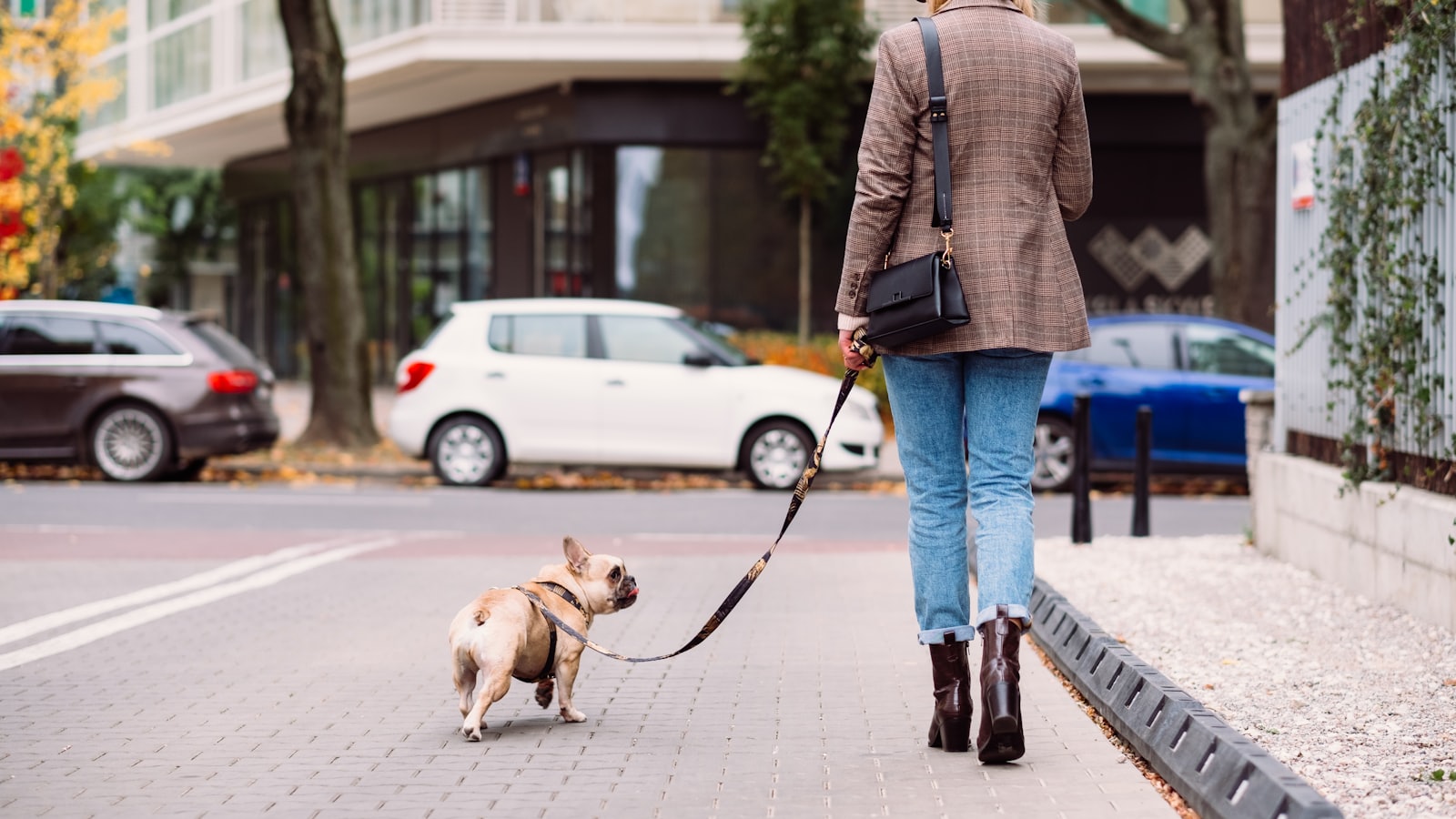 ➡️ Up nextTeaching Heel: Focused Walking as a Team Sport9 min read›