Leash Skills for Strong Dogs
When the dog outweighs the physics, technique replaces muscle: the handling skills, body mechanics, and training priorities for walking a powerhouse safely.
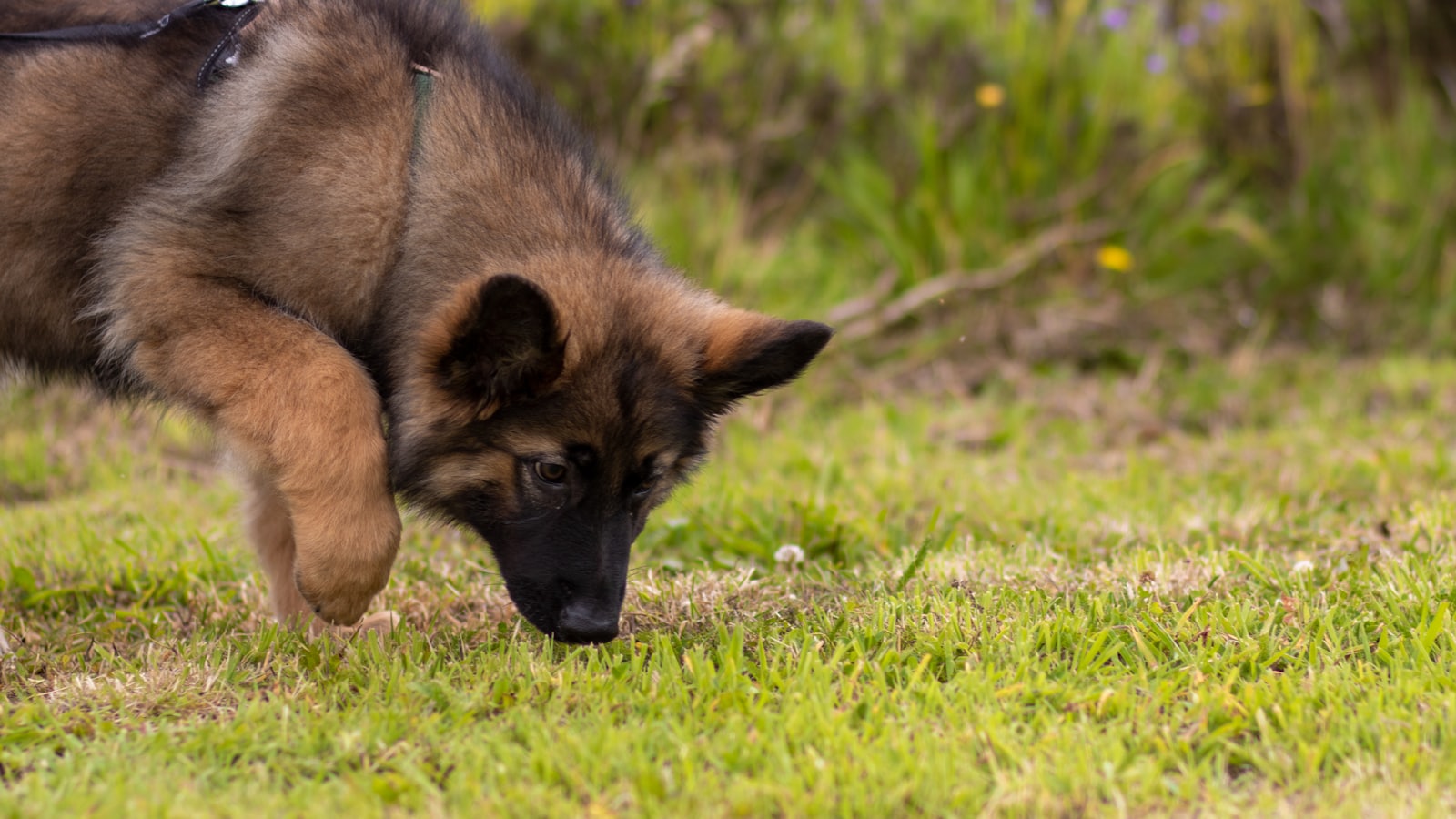
There's a moment every big-dog owner knows: the squirrel breaks cover, ninety pounds hits the end of the leash, and you become a participant rather than a handler. Walking a strong dog isn't a strength contest — you will lose the strength contest, which is precisely why you stop entering it. The powerhouse walk runs on three other things: gear that redirects instead of resists, body mechanics that keep you upright, and a training economy the dog finds more interesting than the squirrel.
You can't out-muscle a strong dog — so stop trying. Out-position, out-pay, and out-think them instead.
📋 Quick Read
- Gear is the force multiplier: front-clip harness or (properly acclimated) head halter, a double-ended leash for two points of contact, and hands-free belts only AFTER manners — physics respects preparation.
- Body mechanics keep you vertical: elbows bent and close, knees soft, weight low, leash hand at your center — the braced-arm straight-elbow stance is how shoulders get hurt and leashes get dropped.
- The training priority list is safety-ordered: reflexive check-ins first, then the loose-leash economy, then the emergency anchors (stop-and-stand, the u-turn) — because with big dogs, manners are a safety system.
Rig the system (gear plus grip)
Run the no-pull lesson's tiers at powerhouse settings: the front-clip harness as baseline, the head halter (with its full acclimation week) for the genuine freight trains, and the double-ended leash connecting both — steering from the front point, security from the back, so a lunge meets rotation and redundancy at once. Leash spec matters at this weight class: six feet of quality flat lead with a traffic handle (the short loop near the clip) for city passages, no retractables ever (the gear lesson's rule, now a safety rule), and gloves in the kit for the wet-weather grip. Hold it right: thumb through the loop, hand closed over — never the wrist-wrap (dislocations) or the finger-twist (fractures) — and the traffic handle in the strong hand through the high-stakes stretches. The hands-free belt around your hips is a genuine upgrade — your center of mass beats any grip — but it's earned AFTER the manners exist; belted to an untrained powerhouse, you're just luggage with opinions.
Body mechanics: the stance that keeps you upright
Practice the handler's stance until it's reflex: elbows bent and close to your ribs (bent arms absorb; straight arms transmit — the braced straight-arm is the shoulder injury), knees soft, feet moving (a planted stance tips; small steps recover), and the leash hand held at your center — belt-buckle height — so any load routes through your mass, not your rotator cuff. When the load comes: drop your weight (bend the knees, sink — don't lean back, which surrenders your base), let the bent arm give a few inches while your body catches, and step WITH the force to re-anchor rather than skidding against it. Rehearse it dogless (a friend on the leash's end, pulling at random) until the sink-and-step happens without thought — because in the squirrel moment you get exactly zero seconds of planning time, and the rehearsed body wins the moments the thinking mind misses.
The training triage (check-ins, economy, anchors)
Install in safety order. First, the check-in reflex: pay every voluntary glance and reconnect on walks at premium rates until your dog runs a background loop of returning attention — the check-in is the interrupt that beats the lock-on. Second, the loose-leash economy at powerhouse wages: the original lesson's stop-when-tight, pay-at-the-seam machinery, run with jackpot-tier rewards and shorter criteria, because a strong dog's pulling habit is a compounding liability. Third, the emergency anchors: the stop-and-stand (you halt, sink, become furniture — trained so the dog learns tension means full stop, forever), and the cheerful u-turn ('this way!' with a happy pivot and pay — the escape hatch for the approaching trigger you spotted first). For the dogs whose lunges are reactivity rather than enthusiasm, those lessons stack here; and for the mismatch cases — the strong dog and the small or unsteady handler — a few sessions with a positive-reinforcement trainer to install this exact system is money that prevents ER bills, canine and human alike.
🗓 This Week's Plan
- Days 1–2: Rig the system — front-clip (or start halter acclimation), double-ended leash, traffic handle located, gloves staged.
- Days 3–4: Rehearse the handler's stance dogless; then two walks focused purely on paid check-ins.
- Days 5–7: Add the stop-and-stand and the cheerful u-turn; run the System Week's five-walk block with scores logged.
Rig the system in Pak Social
Two contact points, one rehearsed stance, premium check-in wages. You were never going to win the strength contest — so win the other three instead.
Get Pak Social — Free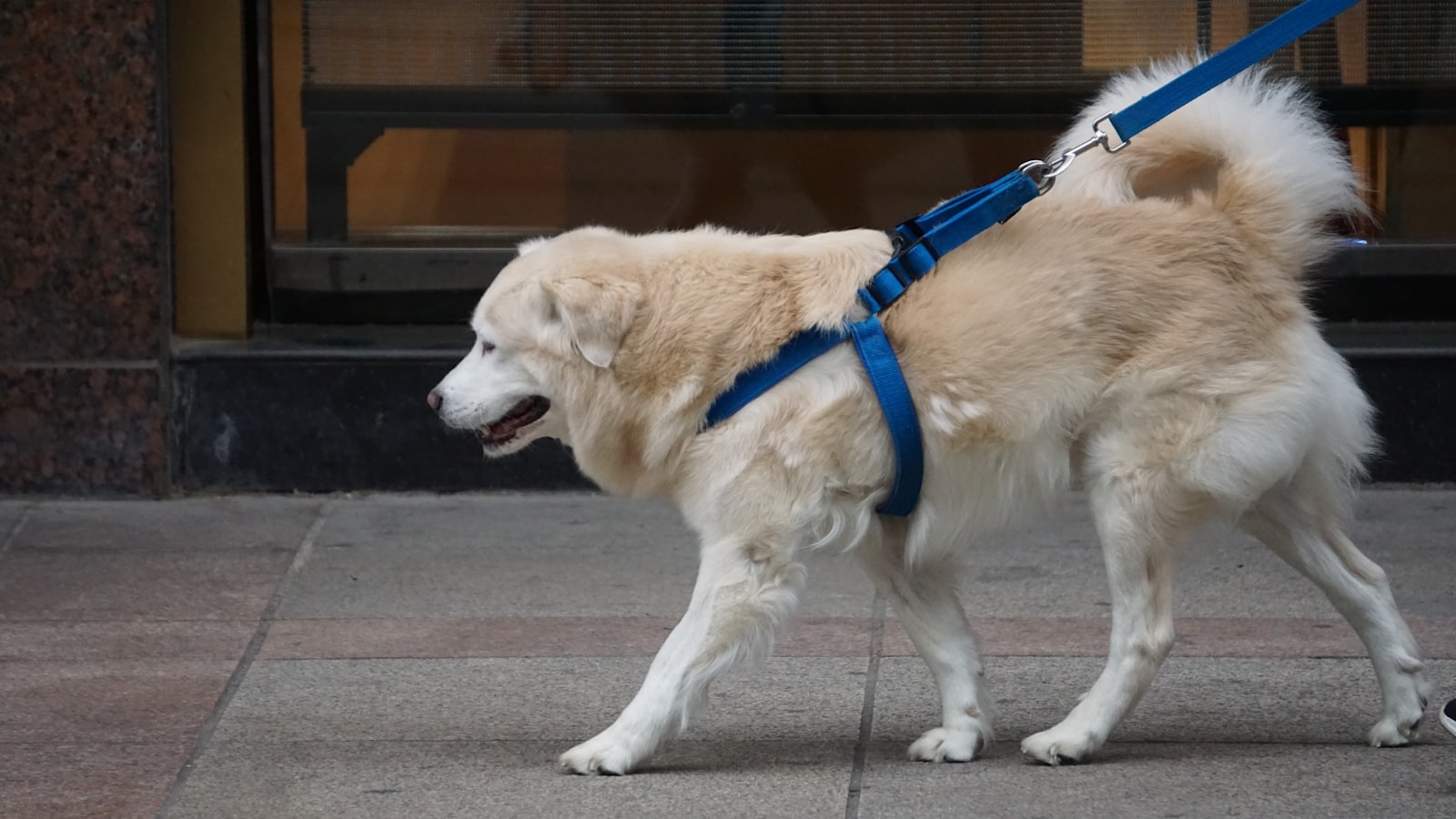 ➡️ Up nextLoose-Leash 'Let's Go' and Direction Changes9 min read›