Five-Minute Training Sessions That Work
You don't need an hour or a class. The best training happens in short, frequent bursts you can actually keep up.
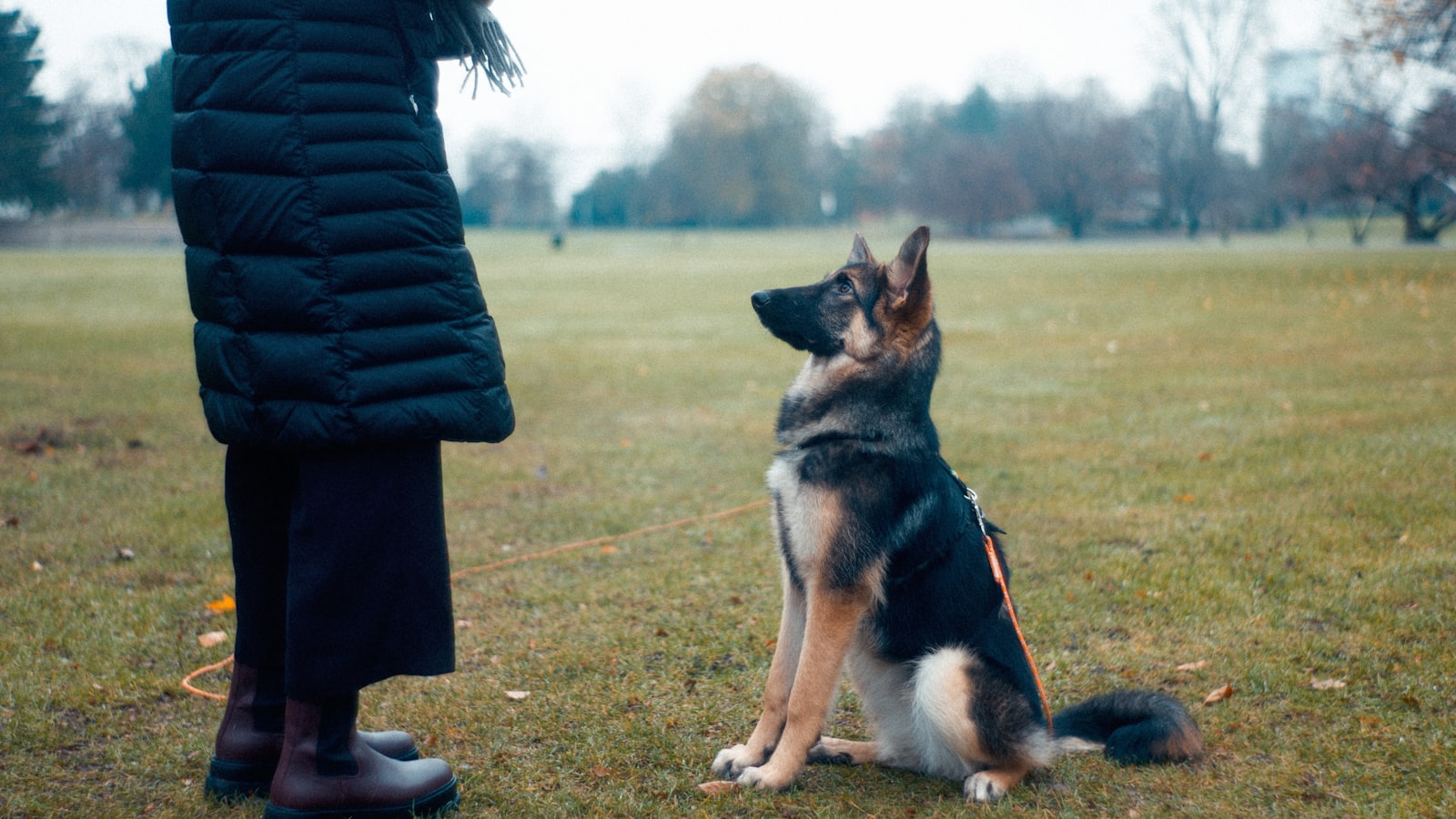
Most people think training means a big, dedicated session — leash on, treats out, thirty focused minutes. Then life happens, the session never fits, and the training quietly doesn't get done. Here's the freeing truth: dogs learn better in short bursts than long slogs. Five focused minutes, sprinkled through your day, beats a monthly marathon every time — and it's a schedule you can actually keep.
Training isn't a class you attend. It's five good minutes you repeat.
📋 Quick Read
- A dog's focus fades fast in a long session — the last ten minutes often un-do the first ten as attention and success drop.
- Short, frequent reps build habits faster and keep both of you enjoying it, so you actually stick with it.
- The everyday moments — before meals, at doorways, during ad breaks — are your training sessions. No special time slot required.
- A good session has a shape — one skill, a counted handful of treats, mostly wins, a hard stop on a high — and a week of them, logged, reads like the staircase it is.
What you need
A timer — your phone's is fine, and it's the most honest training partner you'll ever have. Pre-portioned treats: count out ten to fifteen pea-sized pieces before you start, and stash lidded jars where your day actually happens — kitchen counter, coat hook, TV table — so a session can begin in the ten seconds the urge exists. One skill per session, chosen before you start, because five minutes split three ways is nobody's progress. That's the whole kit; the entire point of this lesson is that nothing else is required.
Why short wins
Picture a dog's focus over a single session: sharp and successful for the first few minutes, then steadily fading as attention wanders and reps get sloppy. That back half isn't just wasted — tired, frustrated reps can teach your dog that "training" means confusion and pressure. Cap sessions at about five minutes, quit while your dog is still nailing it and wanting more, and you keep every session in the high-success zone.
What a good five minutes looks like
A productive session has a recognizable shape. One skill. Ten to fifteen reps, most of them wins — if your dog is missing more than a couple out of every ten, the ask is too hard for today, and the session is quietly practicing failure. A hard stop at the timer or at three crisp wins in a row, whichever lands first. And a dog who looks up hopefully the next time you reach for the jar — eagerness at the start of the next session is the best report card the last one can get.
That shape also tells you when to raise difficulty and when to sit still. A few sessions in a row of easy, near-perfect reps means the level is paid for — raise one notch: a little more distance, a slightly busier room, a beat more duration, one dial at a time. A session that suddenly goes ragged means hold, or drop a notch and bank wins. Over a week, the record should read like a gentle staircase — mostly wins, occasional holds, small climbs — not a rollercoaster.
Two of these a day is the working rhythm — morning and evening fit most households — with a handful of life reps sprinkled between. That's under fifteen minutes of total effort, and it tends to out-train a weekly hour for one stubborn reason: dogs learn from the count of clean, successful reps, and short sessions are where clean reps live.
Turn daily life into training
You already have a dozen natural training slots hiding in your day. Ask for a sit before the food bowl goes down. A "wait" at the door before the walk. A quick recall from another room during a commercial break. A hand-target while the kettle boils. Each is thirty seconds, uses something your dog already wants as the reward, and stacks up to more practice than any formal session — woven invisibly into the day. And when the minutes themselves misfire, the fixes are just as small.
When the five minutes fizzle
Your dog is flat from the first rep. Usually scheduling, not attitude: a full stomach, a just-finished walk they're still processing, or a nap you interrupted. Move sessions to before meals and after a potty break, and try the same skill again tomorrow before deciding anything about the skill itself.
Sessions keep stretching past the timer. That's you, not the dog — the 'one more rep' itch. Count the treats out in advance and let the empty hand end the session; a fixed budget is easier to obey than a timer you can talk yourself past.
You keep forgetting to train at all. Willpower is the wrong tool. Anchor sessions to things that already happen every day — the kettle, the kibble scoop, the opening credits — and keep the jars visible at those spots. The habit that survives is the one that doesn't need remembering.
Great in sessions, oblivious between them. The skills live in the sessions because that's the only place they've ever been paid. The life reps are the transfer mechanism — the sit before the bowl, the wait at the door, the recall from the couch. If your dog is sharp at 7 p.m. and 'deaf' at 7:30, the fix is more everyday reps, not longer sessions.
Progress feels invisible. Five minutes compounds too slowly to see from inside a single week — which is why the log matters. Write down (or tap in) what you worked on and roughly how it went; a month of entries turns 'are we getting anywhere?' into a line you can actually look at.
Two humans, two rulebooks. If one person's five minutes rewards a sit at the door and the other's allows the door-charge, the dog isn't confused — they're accurately learning that the rules depend on who's holding the leash. One cue list on the fridge, everyone pays the same behaviors, and all the minutes start pulling in one direction.
Five minutes, different dogs
Puppies do best with even shorter bursts — two or three minutes, several times a day — because a puppy's attention is a soap bubble and their day has room for many tiny games. Adolescents are where this lesson earns its keep: the teenage months shred long sessions, but almost any dog can hold it together for five minutes, so shrink the sessions before you shrink your expectations. Adult rescues often relax into short sessions faster than long ones — a predictable little game with a clear start, easy wins, and a clean end is a trust-builder before it's a training tool.
High-drive dogs can train far longer than five minutes — which is exactly why you shouldn't let them: the cap keeps arousal in the workable zone and leaves them wanting the next round. Fold play into the pay; a ten-second tug is a legitimate rep-ender. Seniors and low-key dogs may tell you three minutes is plenty — believe them, keep the reps physically easy, and let the win be the point.
Keep it light and win the long game
Short sessions keep training fun, and fun is what makes it sustainable. Use rewards your dog genuinely loves, mix in easy wins with the hard stuff, and treat it like a game you both look forward to rather than a chore. Consistency over months is what builds a well-trained dog — and consistency only happens when the sessions are small enough to fit and enjoyable enough to repeat.
The rhythm that runs the whole program
Every other lesson in this program secretly runs on this one. Foundational Obedience's eight-week plan is built from exactly these bursts — its weekly rhythm is five-minute sessions with a curriculum attached — and the marker work, the recall build, and the shaping projects all assume short, frequent, upbeat reps rather than marathons. Master the five-minute habit and you've installed the delivery system every future skill arrives through.
Maintenance is the same habit at lower volume: a couple of mini-sessions a week per finished skill, life reps daily, and the streak kept alive as much for your sake as the dog's. And when a week of good sessions stops producing — reps going soggy, wins drying up — that's not a schedule problem, it's a stall, and Troubleshooting When Training Stalls is the very next lesson for a reason. Keep the minutes small, keep them fun, and let the calendar do the heavy lifting.
🗓 This Week's Plan
- Days 1–2: Run two five-minute sessions a day and stop each on a win — notice how much sharper your dog is than in a long session.
- Days 3–4: Add three “life” reps a day: a sit before meals, a wait at the door, a recall during a TV break.
- Days 5–7: Keep the streak going and log each mini-session so the reps — and the progress — start to add up visibly.
Start the Five-Minute Training Challenge in Pak Social
Log your mini-sessions and keep the streak alive. In a week you'll see how much a few good minutes a day compound — and your dog will be asking for the next round.
Get Pak Social — Free ➡️ Up nextTroubleshooting When Training Stalls9 min read›