Troubleshooting When Training Stalls
Progress stopped? Your dog isn't being stubborn. Run this quick diagnostic and find the one thing that's stuck.
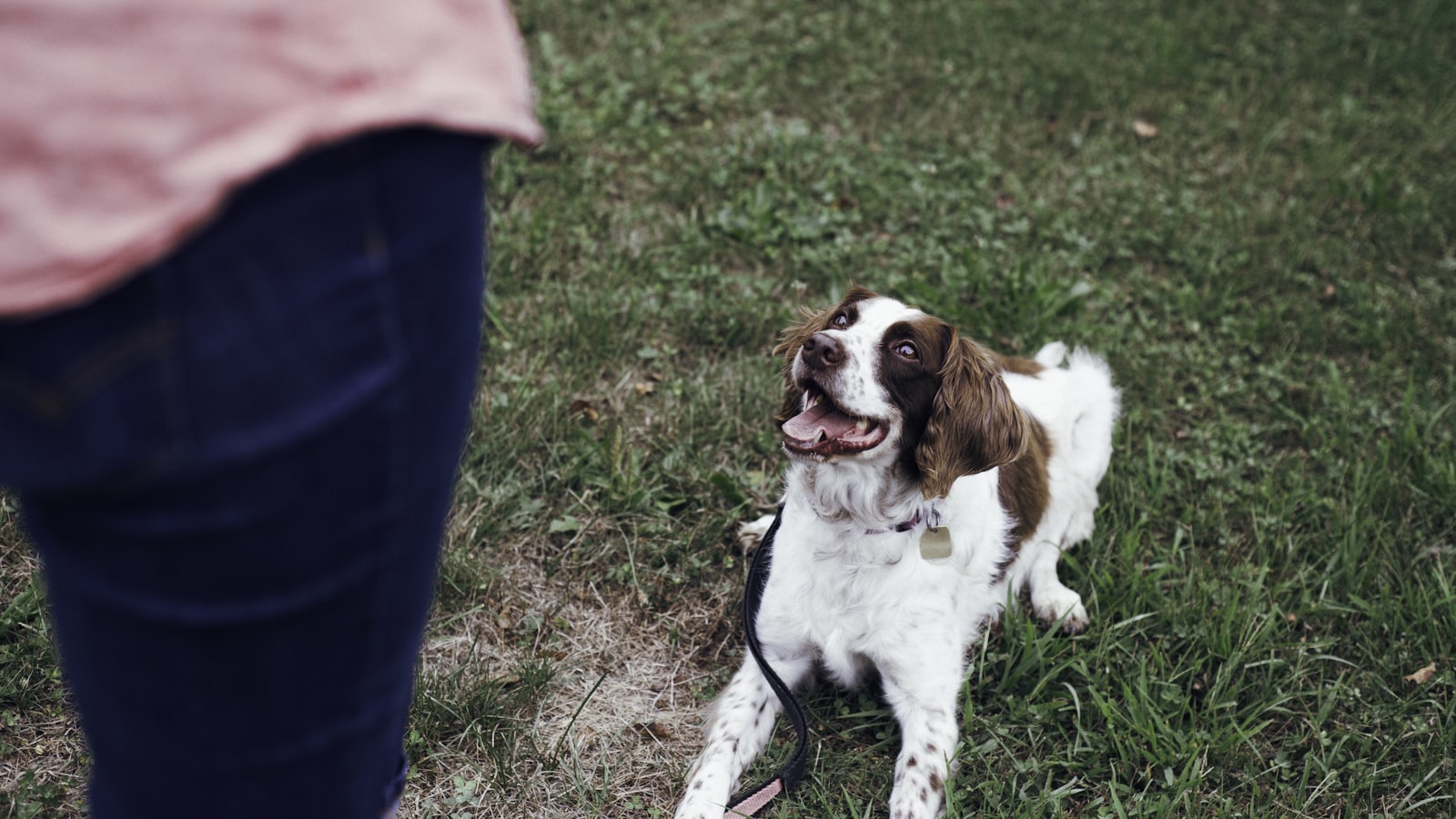
For two weeks it was going great — then suddenly your dog just… stops getting it. The behavior that was almost there falls apart, and it's easy to decide your dog is being stubborn or “knows it and won't do it.” They're not. A training plateau is nearly always a signal that one specific piece of your setup needs adjusting. Learn to read the plateau, and you can unstick almost any stall in minutes.
Your dog isn't refusing. A plateau is feedback — it's telling you exactly what to change.
📋 Quick Read
- “Stubborn” is almost never the real reason. Confusion, low motivation, too much distraction, or unclear timing are.
- The most common stall is raising difficulty too fast — piling on distance, distraction, and duration all at once.
- When you're stuck, drop back to a level your dog nails easily, rebuild momentum, and raise the bar one notch at a time.
- Five culprits cover most stalls — a criteria jump, pay that lost its value, an environment that crept, handler mechanics that drifted, or a tired, sore, or worried dog — and each looks a little different from the outside.
What you need
The stuck behavior, plus an honest memory — or better, a log — of the last week or two of sessions, because what changed is usually hiding in there. A reserve of genuinely premium pay — chicken, cheese, the good stuff — since half of all fixes involve a raise. A quieter room than the one you've been struggling in, since dropping the difficulty is the other half. And five minutes at a time: fix-it sessions should run even shorter than usual, because you're rebuilding wins, not grinding.
Run the diagnostic
When progress stalls, resist the urge to just repeat the same failing rep harder. Instead, run down the usual suspects: Is the reward genuinely high-value for this task, or has your dog gotten bored of it? Did you raise more than one thing at once? Is the environment too distracting for this stage? Is your marker (“yes!” or a click) landing at the exact right instant? Are your sessions short and ending on wins? Nine times out of ten, one of those is your culprit — the checklist below walks through them. And each culprit looks a little different from the outside, which is what makes a minute of watching so productive.
The five stalls, and what each one looks like
The criteria jumped. The stall arrived right after a good stretch — you got encouraged, added distance and duration in the same week, and the wheels came off. The evidence is in the history, not the dog: compare what you asked for this week against last week. The fix is the drop-back below, with one dial raised at a time on the climb back.
The pay lost its value. Slow treat-taking, glancing around mid-rep, wandering off from a reward they used to spin for — the work didn't get harder, the paycheck got smaller. Value drifts: the hundredth piece of kibble isn't the first, and a reward that beat the empty kitchen loses to the interesting park. Run a currency audit and match the pay to the ask.
The environment crept. Nothing changed — except the season, the neighbor's new dog, the school holidays filling the park. Environments drift under a plan that stands still, and a distraction load that grew by inches can swallow a behavior whole. If the same behavior still works in the quiet kitchen, the behavior is fine; the setting outgrew it. Rebuild in the current version of the world, one notch at a time.
Your mechanics drifted. Handlers change without noticing: marks land later, cues get said twice and then three times, the food hand starts moving early, a new family member joins the training with their own style. Film one session — late marks and chatty cues are invisible from inside the moment and obvious on video, exactly as Marker Words and Timing warns. If the footage shows drift, the dog was never stuck; they were faithfully tracking a moving target.
The dog's state changed. Tired, sore, itchy, stressed, or coming down from an over-full week. A dog who suddenly won't do a posture they've done a thousand times — the sit that got slow, the down they ease into sideways, the jump they now skip — is often telling you about their body, not their attitude, and that's doubly true in older dogs. If a stall arrives alongside anything else physical — stiffness on stairs, appetite changes, unusual clinginess — a vet visit comes before any training fix. No checklist outranks comfort.
Drop back to build back up
The fastest way off a plateau is to lower the difficulty until your dog is winning easily again — closer, quieter, shorter, with a better payday — then climb back up one small step at a time. This isn't backsliding; those easy wins rebuild your dog's confidence and momentum. Splitting a hard skill into smaller pieces (“splitting,” not “lumping”) turns an impossible rep into a series of achievable ones.
How to know the fix landed
You changed one variable — now measure it the same way you found it. Run two short sessions at the easier level and count plainly: if wins climb back to four or five out of five and the dog's pace and brightness return, the fix landed. Hold there for a session or two anyway; the plateau cracked, but fresh confidence likes a little curing time before you load weight on it.
If two adjusted sessions change nothing, you picked the wrong suspect — return to the checklist and change the next single thing, because switching two variables at once puts you right back where you started: improving, maybe, but with no idea why. And if you've walked the whole list and the stall won't move, take two genuine days off and revisit the dog's-state question with fresh eyes. Rest resolves a surprising share of mystery plateaus, and the ones it doesn't resolve often turn out to have been body, not brain.
Then keep one habit from the repair as you climb: bank a run of easy wins — five is a good number — before every raise, at every level. Dogs who climb on banked wins rarely stall in the same spot twice, and you'll feel the difference in how quickly the next wobble smooths out.
Stalls read differently on different dogs
Adolescents produce the most alarming stalls and the least meaningful ones — skills evaporating somewhere between six and eighteen months is development, not decay. Drop criteria, keep sessions short and cheerful, and wait it out; the training didn't leave, it's just temporarily outvoted. Rescues stall near thresholds more than anywhere else: a plateau that shows up only in certain places or around certain triggers is often worry wearing a training costume, and the fix is more distance and softer settings, not better mechanics.
High-drive dogs stall loud — frantic, vocal, spinning — and the counterintuitive fix is usually less stimulation, not more pay: a quieter room, calmer reps, lower arousal. Low-drive dogs stall quiet, and their plateaus are motivation stalls until proven otherwise — audit the currency first, always. Seniors earn the gentlest reading of all: assume comfort before criteria, shorten everything, and loop in your vet earlier than you would for a younger dog.
Keep the momentum honest
Once you're moving again, protect progress by raising only one dimension at a time and keeping a light, playful tone. If a skill regresses in a new place, that's normal — dogs don't generalize well, so briefly drop the criteria in each new environment and rebuild. Track what you change and what happens, so a plateau becomes a quick, solvable puzzle instead of a mysterious wall.
The skill behind every skill
Troubleshooting is the one skill that maintains all the others, and it improves exactly as fast as your records do — which is why the five-minute habit and its little log (Five-Minute Training Sessions That Work) are this lesson's quiet prerequisite: short, frequent sessions make a stall visible in days instead of weeks. Plenty of stalls turn out to be siblings in disguise, too — a schedule thinned too fast belongs to Fading Treats the Right Way, a step too big is the splitting move from Shaping New Behaviors, and Foundational Obedience runs this same audit across an entire program.
So keep the habit light: when progress dips, name the suspect, change the one thing, count the wins, and write down what worked — the same dog tends to stall the same way twice, so your own history becomes the fastest checklist there is. The wall was never a wall. It was a note, and you've learned to read it.
- The reward is genuinely high-value for this task (chicken, not kibble)
- I raised only one thing at a time — not distance + distraction + duration at once
- The environment isn't too distracting for this stage
- My marker (“yes!”/click) lands the instant my dog gets it right
- Sessions are short and end on a win
- I've been consistent — same cue, same rules, every rep
🗓 This Week's Plan
- Days 1–2: Run the diagnostic checklist on your stuck behavior and identify the single weakest link.
- Days 3–4: Drop the difficulty until your dog wins easily again, then raise one dimension at a time.
- Days 5–7: Log each session so you can see momentum returning — and catch the next stall early.
Troubleshoot with Pak Social's Training Coach
Log your sessions and watch your dog's skill scores. When progress stalls, you'll see exactly where — and prove your fix is getting things climbing again.
Get Pak Social — Free ➡️ Up nextGroup Class vs. At-Home Training4 min read›