Fading Treats the Right Way
"He only listens when I have food." That's not a stubborn dog — it's a lure that never got faded and a reward schedule that never changed. Here's the fix.
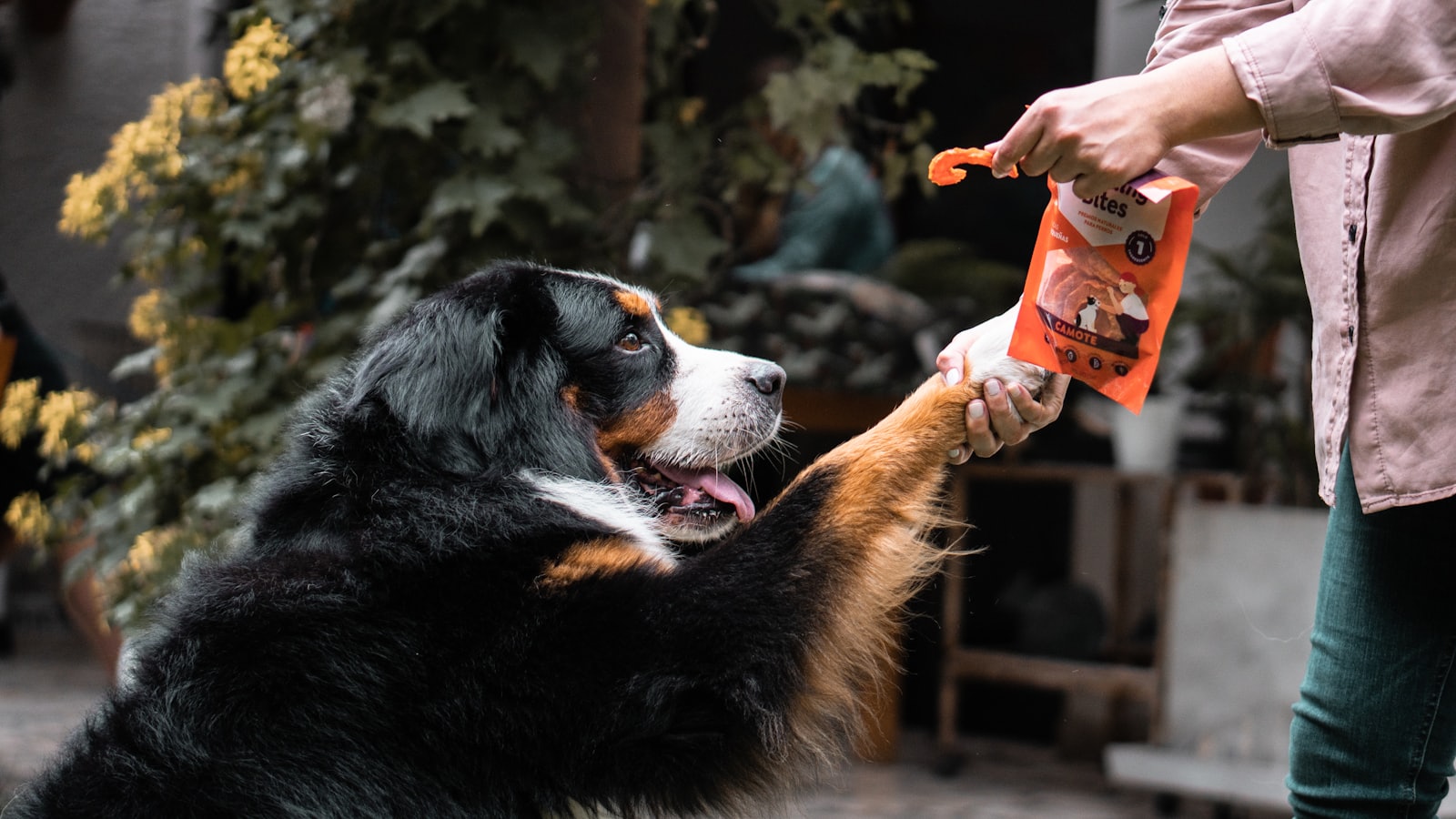
The complaint is universal: 'She's great when I have treats, and deaf the second my hand's empty.' It feels like the dog gaming you, but it's actually a training mechanics problem with a clean fix — two of them, really, because the lure and the reward are different things, and both need to change on schedule. Fade the visible food from the cue, shift the payments from every-time to surprise-me, and you get a dog who works because the behavior pays — not because they can see the paycheck.
A dog who only works for visible food isn't disobedient. He's just never been shown the paycheck comes AFTER the work.
📋 Quick Read
- Two different jobs: the LURE (the food that guides the behavior) fades early and fast; the REWARD (the pay for doing it) shifts from continuous to intermittent — later, and never to zero.
- The lure becomes a hand signal: once the behavior's fluent, run the same motion with an empty hand and pay from the other hand or your pocket — the food leaves the cue but not the equation.
- Intermittent reinforcement is the magic: unpredictable rewards (sometimes one treat, sometimes three, sometimes praise) produce STRONGER, more durable behavior than treating every single time — it's the slot-machine effect, working for you.
- Fade the lure the same week you teach, but thin the schedule only once a behavior is prompt and reliable in that setting — and when responses go soggy, the pay rate is the first thing to check.
What you need
One fluent behavior — a sit, down, or touch your dog performs promptly on cue, because you fade from strength, never from wobble. Treats stashed off your body: a pocket on the far side, a pouch behind your back, a lidded jar on the counter — the point is pay that arrives from somewhere the dog can't watch. Your marker, already charged (Marker Words and Timing covers the install), so payment can lag behind the behavior without losing the moment. And a short list of life rewards your dog actually wants this week — the door, the ball, the sniff spot at the corner — because the currency is about to get bigger than food.
Separate the lure from the reward (the whole insight)
The lure is the food you use to GET the behavior — the treat at the nose that guides the sit or the down. The reward is the food that PAYS for the behavior once it happens. Beginners collapse these into one — lure with a treat, hand over the same treat — and the dog reasonably concludes the visible food is the trigger. The unlock is to split them: use the lure only for the first several reps of a new behavior, then drop it, and let the reward come from a different source (other hand, pocket, treat pouch, the environment) and a different moment (after the behavior, sometimes after a delay). The food never leaves training; it just stops being the bribe the dog can see coming. The rest of this lesson is that split, run in the right order — and on the dog's timetable, not the calendar's.
Fade the lure early, then thin the schedule late
Order matters. Fade the lure fast — after just a handful of successful lured reps, run the identical hand motion with nothing in your fingers, mark the behavior, and pay from the other hand; the gesture is now a hand signal, and the food-in-hand dependency is dead before it forms. Keep rewarding every rep at this stage — you're still teaching. THEN, once the behavior is solid on cue in a context, start thinning the reward schedule: pay most reps, then most-but-not-all, then randomly (this one gets a jackpot, that one gets praise, the next gets nothing, the one after gets three). The unpredictability is the point — a dog who can't predict which rep pays keeps offering strong responses on all of them, which is exactly the durable, food-independent behavior you were after.
Which behaviors are ready to fade (and which aren't)
The fade has entry requirements. A behavior is ready to lose its lure the same week you teach it — that part is fast and nearly automatic: a handful of lured reps, then the empty hand. The schedule is a different story. Thin it only when the behavior is prompt and reliable on cue in that setting — most asks answered within a beat or two, without you repeating yourself or reaching toward food first. If you're still coaxing, you're still teaching, and teaching runs on pay-every-rep.
Run a cold check before you thin: in a calm moment, hands visibly empty, food nowhere in sight, give the cue once. A crisp response says the behavior belongs to the cue, and the schedule can start stretching. Hesitation, a glance at your hands, a slow half-version — that dog isn't gaming you; the cue still leans on the food, and it needs more paid reps before the paycheck gets unpredictable. Fade behavior by behavior, too: your sit might be ready to thin while your down is still on full wages, and that's normal — the schedule belongs to each behavior, not to the dog.
When the fade goes sideways
The behavior only happens when the treat pouch is on. The pouch joined the cue, the same way the lure once did. Wear it at random times with no session attached, train with it absent — pay from a jar across the room or a forgotten pocket — and let a few of the best responses earn a jackpot fetched from somewhere surprising. Once the pouch stops predicting anything, the behavior shows up everywhere.
The empty-hand signal gets a blank stare. Usually the empty gesture drifted — smaller, faster, at a different height than the lured version. Run two or three lured reps to re-light the picture, then repeat the identical motion empty in the same session. Same movie, no popcorn in frame.
Responses got slower and sloppier as you thinned. The schedule outran the dog — and this is the most useful reading you'll get all week, not a failure. Go back to paying most reps for a few days, then thin again more gradually, and keep the unpaid reps unpredictable rather than rhythmic; dogs decode an every-other-rep rhythm with embarrassing speed.
Your dog checks your hands before deciding. Food is showing up before the work — visible in your fingers, or your hand drifting pouch-ward as you cue. Keep your hands still and boring until after the behavior and the mark; the order is cue, behavior, mark, then movement toward payment, every rep.
Perfect at home, 'deaf' in public. Not a fading problem — a generalization one. New places reset the schedule: pay generously in each new setting until the behavior is prompt there, then thin there too. The slot machine only works on a dog who's already sure this particular machine pays.
Same fade, different dogs
Puppies should meet the empty hand almost immediately — fade lures fast from the first week of any new behavior, but thin schedules slowly, because a young dog's understanding is wide and shallow. Expect adolescence to demand a temporarily richer schedule; that's development, not regression. Adult rescues sometimes arrive with a long history of food-in-hand bribery, and the fade may take longer to trust. That's fine — a few extra days of pay-from-elsewhere reps costs nothing, while a rushed fade that guts the behavior costs weeks.
High-drive dogs are where life rewards shine: the thrown ball, the released tug, and the 'go sniff' outrank chicken for many of them, so the expanded currency isn't a compromise — it's a raise. Food-casual dogs need a currency audit before a schedule change, because thinning a reward the dog barely valued reads as the game ending. Richer pay first, thinner schedule second. Soft, sensitive dogs deserve one extra kindness: keep warm praise on the reps that don't pay food, so an unpaid rep never lands like disapproval — the schedule thins, the relationship doesn't.
Never zero — just smarter
The endgame isn't a food-free dog; it's a dog paid on a variable schedule with an expanded currency. Rewards graduate beyond treats into 'life rewards' — the door opening for a polite sit, the ball thrown for a solid drop, the freedom to go sniff after a check-in, the greeting granted for four-on-the-floor (the Premack principle: the behavior the dog wants pays for the behavior you want). Keep genuine food jackpots in rotation for hard asks and great responses, so the possibility of a big payoff keeps the whole system lively. The clicker or marker, incidentally, fades differently — it's a teaching tool you can simply stop using once the behavior's on cue, no schedule needed. Fade the lure, thin the treats, expand the currency, never hit zero: that's a dog who works anywhere, food or no food in sight.
A paycheck that lasts a lifetime
Thinning isn't a project you finish; it's a payroll you administer, lightly, forever. Once a behavior lives on a variable schedule with life rewards in the mix, maintenance is a few surprise paydays a week and a jackpot whenever the hard version shows up — the recall past the squirrel, the down on the crowded patio. Keep watching response quality the way you did during the fade: crisp means the schedule is healthy; soggy means run a richer week and re-thin.
The marker's own rules never change through any of this — every mark still gets paid, which is exactly why you mark less often as behaviors mature. Marker Words and Timing holds that contract, and Clicker Training 101 covers when the clicker itself can retire to the treat drawer. And if a faded behavior stalls outright rather than just softening, that's a different lesson's territory: Troubleshooting When Training Stalls will tell you whether the schedule, the setting, or something else entirely is the piece that moved.
🗓 This Week's Plan
- Days 1–2: Pick one behavior; confirm the lure is already gone (empty-hand signal, pay from elsewhere) — fix it if not.
- Days 3–5: Start thinning that behavior's schedule — most reps, then unpredictably; watch response quality.
- Days 6–7: Run the Empty-Hand Week test and add one life reward (door, ball, or freedom) to the currency.
Start the fade in Pak Social
Empty your luring hand on one cue today, pay from your pocket, and start keeping the dog guessing. The paycheck-after-the-work dog was always trainable — this is the mechanics.
Get Pak Social — Free ➡️ Up nextMarker Words and Timing9 min read›