Vet-Visit Anxiety: Cooperative Care Basics
The trembling in the parking lot, the wrestling on the table — none of it is mandatory. How to rebuild the vet visit from the car ride up.
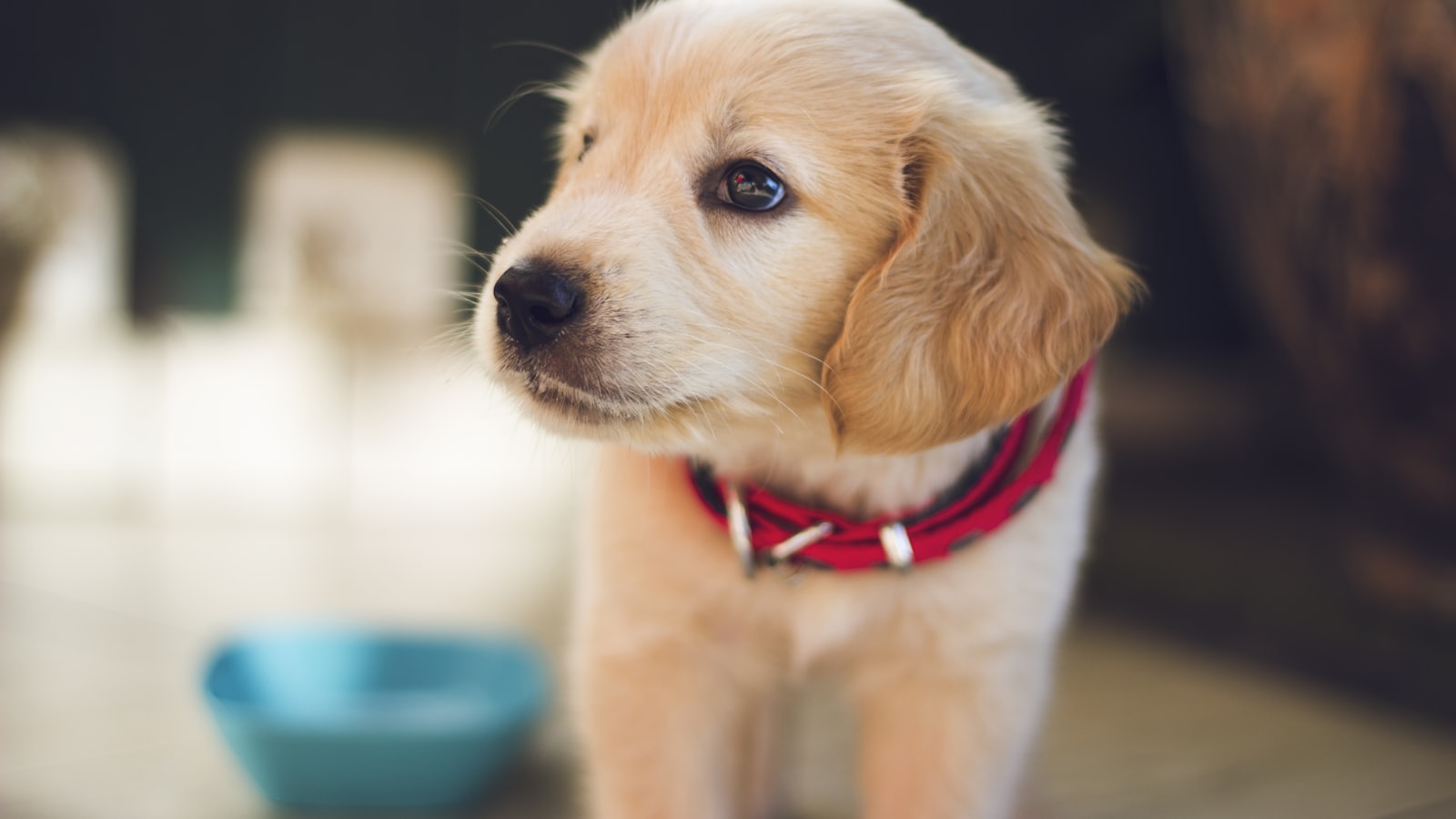
It starts three blocks out: the panting, the pacing in the back seat — your dog has mapped the route. By the waiting room it's full trembling, and the exam happens as a two-technician wrestling match everyone pretends is normal. Here's the thing: it isn't normal, it's learned — and it can be unlearned. Vet-visit anxiety is one of the most fixable fears in dog ownership, because you control every rung of the ladder: the car, the parking lot, the lobby, the handling.
Your dog isn't afraid of the vet. They're afraid of a story the visits keep confirming — so change the story.
📋 Quick Read
- The fear is a prediction chain (car → clinic smell → table → restraint), and it's dismantled the same way it was built: one link at a time, each re-paired with good outcomes.
- Happy visits are the core tool: trips to the clinic where nothing happens except treats from the staff — deposits that outnumber the withdrawals.
- The handling homework is half the cure: a dog conditioned to paws-ears-mouth touching (the cooperative-care ladder) has dramatically less to fear from an exam.
Break the chain from the car forward
List your dog's chain — for most it's car ride, parking lot, lobby, scale, exam room, table — and rebuild each link at the easy end. Drive toward the clinic and turn around, treats throughout. Park in the lot, play the touch game, leave. Walk into the lobby, staff feed the dog, walk out (call ahead; clinics are used to this and most love it). Sit on the scale, jackpot, done. Each rep is a contradiction: the chain fired and nothing bad happened. Frequency beats intensity — three five-minute happy visits a week outwork one heroic hour.
The handling homework
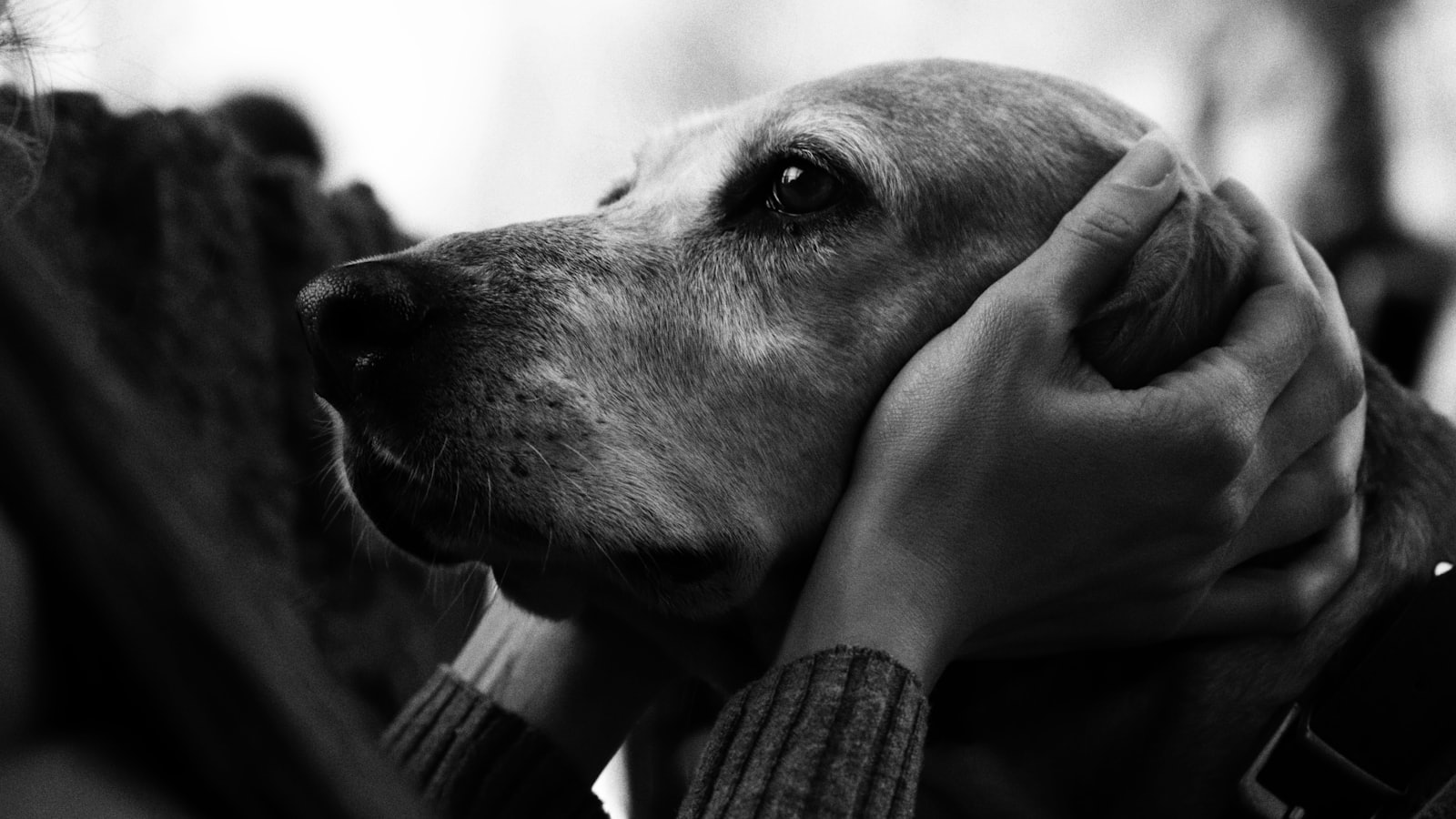
The exam itself is a sequence of touches your dog can rehearse at home: paws held, ears examined, mouth flipped, body hugged, skin tented at the scruff (that's the vaccine spot), being lifted or steadied on a table (a bath mat on the washing machine approximates the height and wobble). Run the handling lesson's touch-treat ladder on each, and add the consent tools — chin rest, stationed stillness — that let your dog opt in. Then rehearse the full sixty-second mock exam weekly. A dog with two hundred paid rehearsals walks into the real thing with a completely different prediction than the dog whose only exams have been ambushes.
Recruit the clinic (they want this too)
Call your practice and say the sentence: 'My dog is anxious at visits — can we work on it?' Then ask for the accommodations that help: first-appointment-of-the-day or last (empty lobby), waiting in the car until the room is ready, the same technician when possible, exams on the floor instead of the table for dogs who fear it, and treat-heavy handling. Ask whether the practice uses low-stress or Fear Free handling approaches — many do, and it changes everything. And for dogs whose fear is already severe: ask about pre-visit pharmaceuticals. The medication isn't the plan; it's the scaffolding that holds the fear low enough for the happy-visit retraining to work. Between visits, keep the file current — the records lesson's photos and logs mean shorter, calmer appointments, which is its own anxiety reduction.
🗓 This Week's Plan
- Days 1–2: Map your dog's prediction chain and find the first link where the body changes.
- Days 3–5: Two happy visits (turnaround drive, parking lot, or lobby — whatever's below threshold), scored after.
- Days 6–7: Start the exam-handling rehearsal at home — paws, ears, mouth, scruff — sixty seconds, heavily paid.
Start the happy-visit program in Pak Social
Two deposits this week, sixty seconds of home rehearsal, one honest conversation with your clinic. The trembling three blocks out isn't permanent — it's just the current story.
Get Pak Social — Free ➡️ Up nextTeaching Handling: Building Trust One Touch at a Time9 min read›