Dog Anxiety: A Complete Owner's Playbook
How to tell everyday nerves from real anxiety — and a calm, build-from-the-bottom plan that sticks.
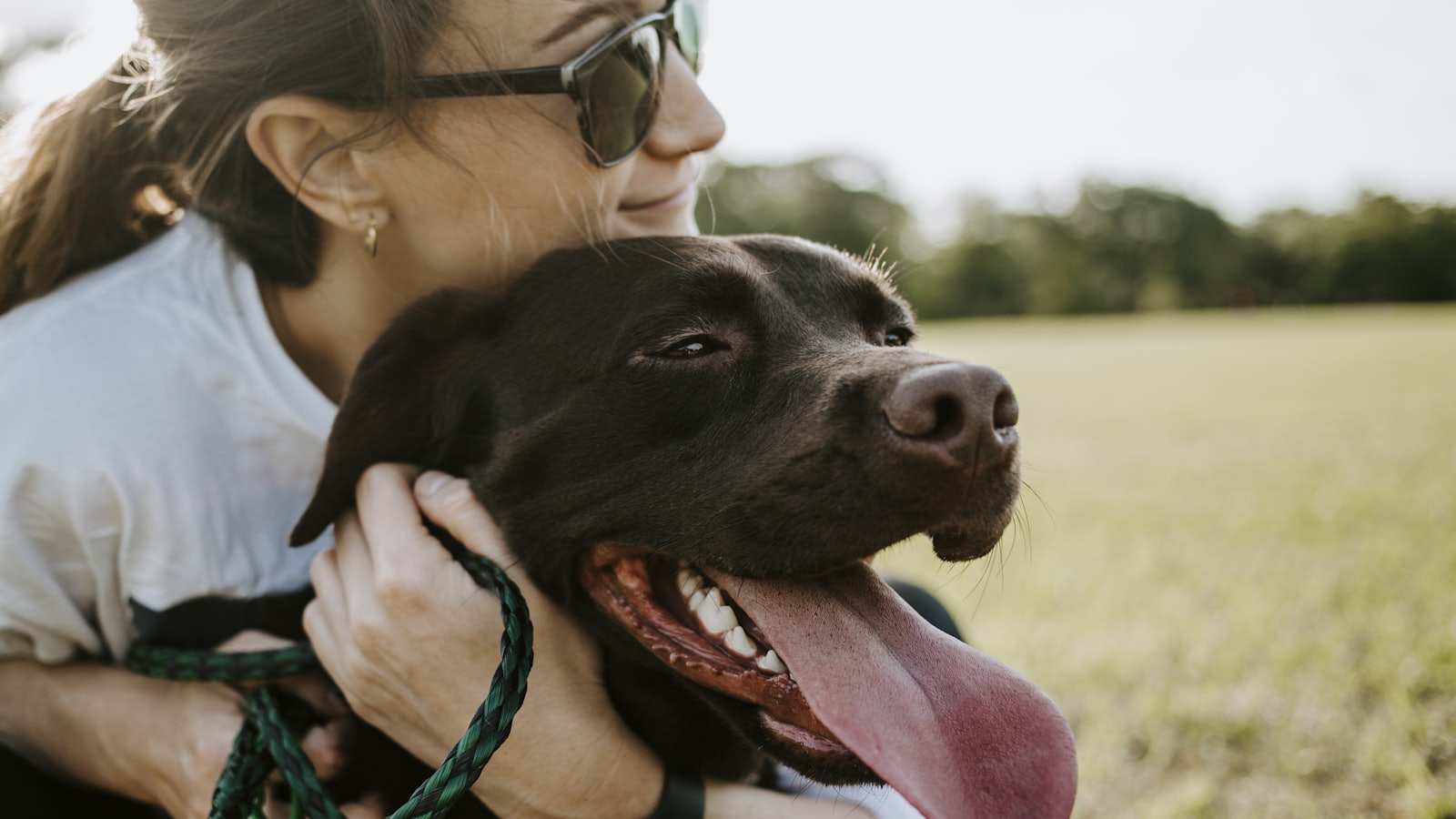
Your dog hears keys jingle and the spiral starts — pacing by the door, a tight whine, a paw on your leg like a question you can't answer. Or it's the opposite: a dog who freezes at the vacuum and won't take even a favorite treat. Both are anxiety wearing different costumes, and both get better with the same calm, layered approach.
Anxiety shows up in the body long before it shows up in the behavior.
📋 Quick Read
- By the time a dog barks, lunges, or hides, they've usually given three quieter signals first — lip-licks, a yawn, a freeze, "whale eye."
- A dog who won't take a treat they normally love is over threshold. That's data, not stubbornness.
- Sudden new anxiety in a previously calm adult dog is worth a vet visit first — pain can wear an anxiety costume.
First, sort nerves from anxiety
Most dogs feel situational nerves that self-resolve in a minute. Anxiety is when the worry outlasts the trigger — the dog stays switched on long after the scary thing is gone, or anticipates it for hours.
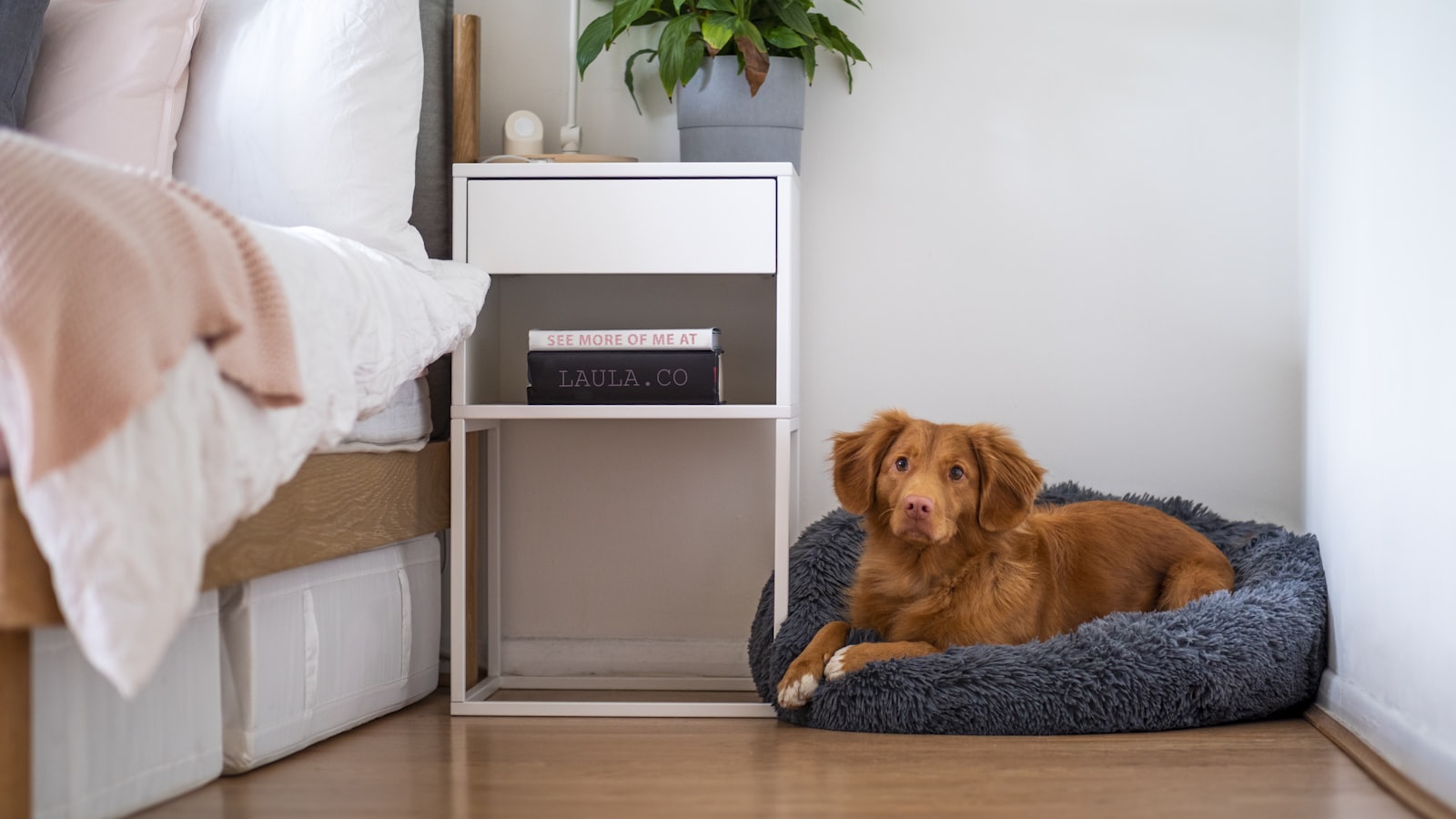
Learn your dog's early tells
Catching the quiet signals is the whole game — it lets you add distance or change the picture before the meltdown.
Rule out the body before you train the brain
Anxiety that appears suddenly in a steady adult dog deserves a vet conversation first. Pain, thyroid changes, and vision or hearing loss can all surface as new "anxiety." This is common — bodies and brains are wired together. Once your vet rules out a medical driver, the behavior plan does the heavy lifting.
The core method: distance, then exposure
Manage the environment so your dog isn't rehearsing panic, then change the emotion with tiny, tolerable doses paired with something wonderful. Keep your dog under threshold — if they can still eat, sniff, and respond, you're in the learning zone.
🗓 This Week's Plan
- Days 1–2: Film one trigger and list the first three early tells you see. Name them out loud next time.
- Days 3–4: Add distance or a visual barrier so your dog notices the trigger but can still eat. Do 5-minute "notice → feed" reps, twice a day.
- Days 5–7: Reward 5 unprompted settles a day on a mat. Rate the day's Calm Recovery Score and watch it climb.
Start the Calm-Building Challenge in Pak Social
Log one trigger a day and your dog's Calm Recovery Score. In a week you'll see whether recovery time is shrinking — the earliest sign the plan is working — and exactly which triggers still need distance.
Get Pak Social — Free ➡️ Up nextSeparation Anxiety: The Full Protocol3 min read›