Separation Anxiety: The Full Protocol
A calm, second-by-second plan to teach your dog that being alone is safe — and boring.
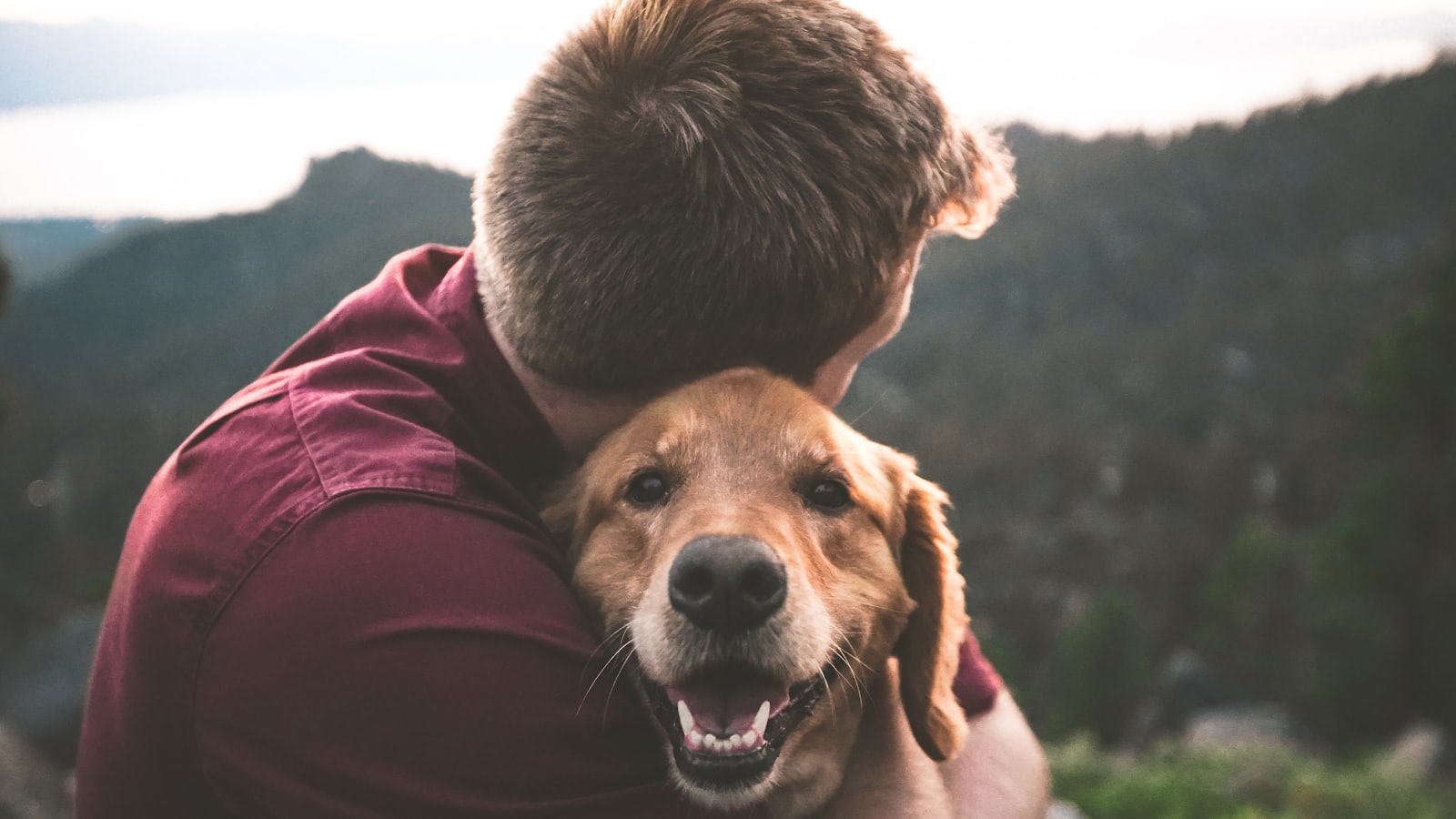
Last time, in Dog Anxiety, we learned to read the early tells and keep your dog under threshold. Now the hardest version for a lot of owners: you reach for your keys and your dog is already unraveling — pacing, panting, a paw at the door. The good news is that "alone" is a skill, and skills can be built in tiny, boring reps.
To your dog, your leaving isn't sad — it's an emergency. That's exactly what makes it teachable.
📋 Quick Read
- True separation anxiety is panic, not misbehavior — punishing it makes it worse, every time.
- The unit of progress is seconds at the door, not minutes — most owners jump ahead and reset the fear.
- A camera is your best tool: dogs often look 'fine' as you leave and fall apart 90 seconds later.
First: boredom or panic?
Destruction near exits, drooling, nonstop vocalizing, or accidents in a house-trained dog — especially in the first 30 minutes alone — point to panic. Chewing a shoe in the middle of the day is more likely boredom. They need different plans, so film a solo session before you start.
Defuse the departure cues
Your dog has learned that keys, shoes, and the coat = you vanish. Break the prediction: pick up your keys and sit back down. Put your coat on and make tea. Do this dozens of times a day until those cues stop triggering the spiral.
Build alone-time in seconds, not minutes
Step to the door, step back, reward calm. Then open it and close it. Then step out for one second and return before your dog worries. You're always ending on calm. Only add time when your dog is relaxed at the current step.
When to bring in help
If your dog panics within seconds no matter how small the step, injures themselves, or you're not seeing progress after a few weeks of honest reps, loop in a veterinary behaviorist (DACVB) or a certified separation-anxiety trainer. For many dogs, your vet may discuss medication as a bridge that makes learning possible — that's not failure, it's the same logic as glasses for blurry vision.
🗓 This Week's Plan
- Days 1–2: Film one solo departure. Note the exact second stress starts — that's your training line.
- Days 3–4: Do 10 'pick up keys → sit down' cue-defusing reps a day until the keys stop mattering.
- Days 5–7: Practice 1–5 second door exits, always ending calm. Rate the Calm Recovery Score and watch it climb.
Start the Calm-Alone Challenge in Pak Social
Log one short departure a day and your dog's Calm Recovery Score. In a week you'll see whether settle-time is dropping — the earliest proof the protocol is working — and exactly which step to hold before adding time.
Get Pak Social — Free ➡️ Up nextBuilding Independence in a Velcro Dog4 min read›