Teaching Leave It: Your Dog's Superpower of Self-Control
The chicken bone on the sidewalk, the dropped pill, the mystery snack in the bushes — one cue stands between your dog and all of it.
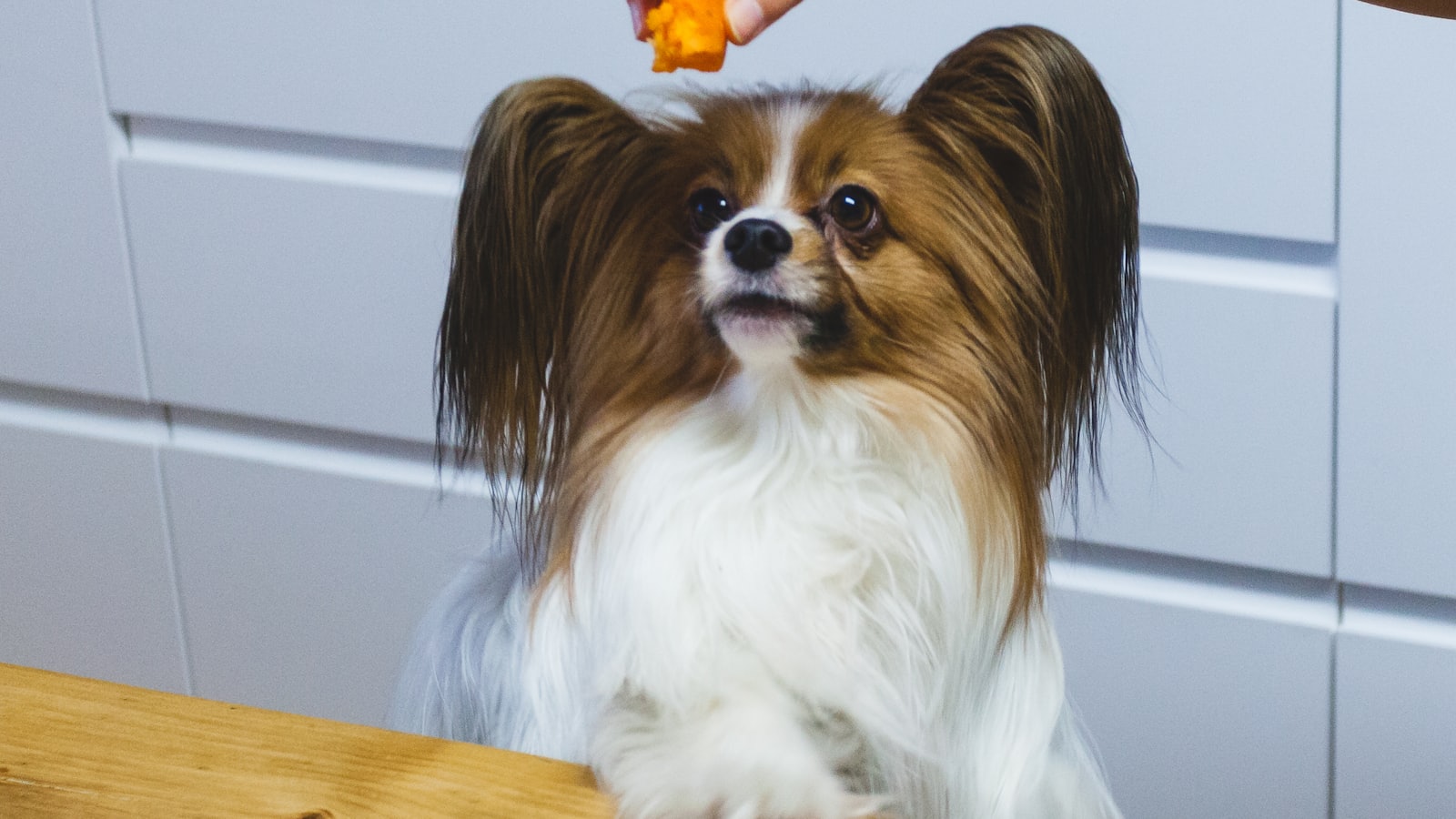
It happens in slow motion: the sandwich sliding off the counter, the ibuprofen bouncing across the tile, the chicken bone gleaming on the sidewalk — and your dog already in motion. "Leave it" is the cue for exactly this moment, and here's the secret that makes it trainable: you're not teaching denial. You're teaching a bet — that ignoring the thing always pays better than grabbing it — and dogs who've cashed that bet a hundred times take it automatically.
Leave it isn't denial. It's a trade your dog learns always pays better.
📋 Quick Read
- The foundation is the closed-fist game: dog paws and licks at a treat locked in your fist, gets nothing — the instant they back off, they're paid from the other hand. Self-control literally becomes the move that works.
- The cardinal rule: the dog never, ever gets the leave-it item. Even once poisons the bet — sometimes-payoffs are the strongest motivation science knows.
- Built in layers — fist, floor-under-shoe, open floor, moving objects, outdoors — leave it graduates from parlor game to the cue that cancels a chicken-bone lunge mid-stride.
- When it leaks, the leak points somewhere: a dive the moment your foot lifts means the cover became the cue, counter raids while you're gone are a management problem, and anything already in the mouth is Drop It's department.
What you need
Two grades of treats: a decent one to lock in your fist (the doomed prop) and something clearly better to pay from the free hand — the trade only teaches if the pay outranks the bait. A quiet room and a floor for the early levels; your shoe is the only equipment the floor game requires. Later, a leash and a planned walking route where you can stage finds. Sessions run two to three minutes — self-control is a muscle that tires fast at first.
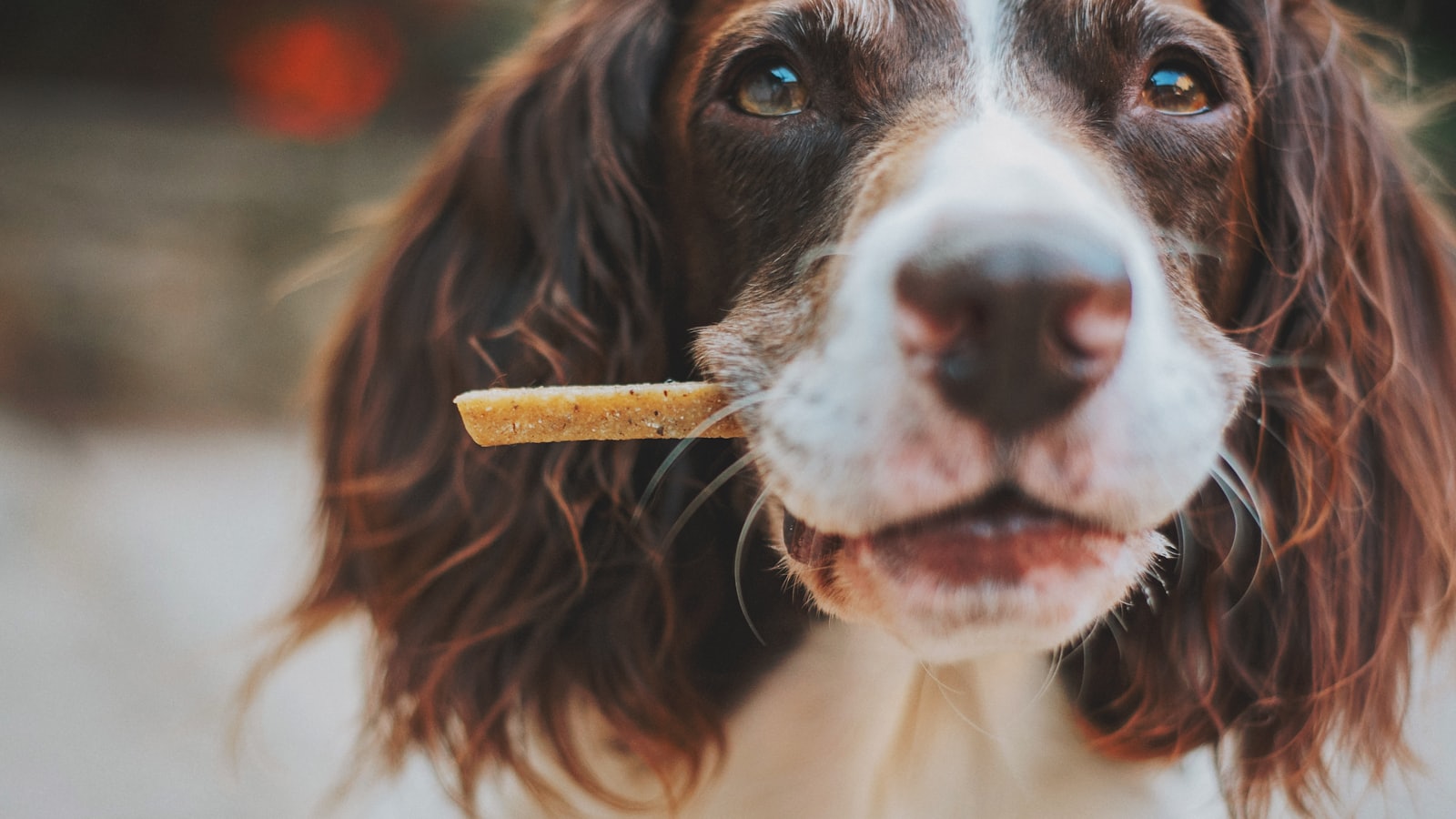
The fist game: self-control discovers itself
Treat in your fist, fist presented at dog-nose height, and let the siege begin — licking, pawing, nibbling, staring. Say nothing. The moment your dog gives up and pulls back even an inch: mark and pay from your other hand (never from the fist — the besieged treat is permanently off the menu). Within a handful of reps most dogs are backing off the fist immediately, and many offer eye contact, having worked out that looking at you is what opens the treat pipeline. That look is gold. Pay it every time.
Floor, word, and distance
Next: treat on the floor under your shoe. Same siege, same rule — abandonment pays from your hand. Then treat on the open floor with your hand hovering, ready to cover it if the dog dives (blocking, never grabbing from their mouth — you're making theft impossible, not fighting for possession). Once the backoff is fast and confident, attach the words: say "leave it" as you present the temptation, before the dog commits. Then build distance and drama in small doses — treat dropped from standing height, treat tossed a foot away, a toy rolled slowly past.
The gates between levels
Each rung — fist, shoe, open floor, dropped, tossed, rolled — has the same toll gate: eight instant backoffs out of ten, with the eyes finishing on your face rather than the prize. That eye-commit matters more than the retreat itself. A dog who backs up but keeps the prize in peripheral vision is holding a grudge, not making a choice, and grudges collapse under real temptation. Stay at the level until the disengage looks bored.
Raise one dimension at a time — the item's value, its distance, or its movement, never two at once. And when a level cracks (a dive after a week of saints), cover the treat without commentary and run three reps at the previous rung. The bet stays unbeaten; that's the entire product you're selling.
Taking it to the street
Outdoors, run planted setups: a dull biscuit on the path (you know it's there; your dog doesn't), cue as the nose locks on, jackpot generously for the turn-away. Escalate plants gradually until your dog can pass genuinely exciting finds. From there, leave it quietly generalizes beyond food — the squirrel, the jogger, the other dog across the street — because the underlying skill was never about food. It was disengage-on-cue. Keep the maintenance honest for life: real-world leave-its get real-world jackpots, because passing up a found chicken bone is elite-level work and should be paid like it.
When leave it leaks
Leave it breaks in a few recognizable places, and each leak points at its own repair.
Obeys the shoe, not the word. Lift your foot and the dog dives — the cover became the cue. Rebuild with the cover hovering an inch off the treat, then a foot, then from standing upright, cueing before each reveal, so the word starts doing the work your body was doing.
Saint while you watch, scavenger when you leave the room. That's not a broken cue — leave it is a response to your word, not a standing household law. The unattended-counter problem is a management problem: fewer temptations within reach, and the impulse-control work elsewhere in the program for the wait-without-being-asked layer.
Backs off, then creeps back in. The embargo has no end date in your dog's mind, and embargoes without end dates invite lawyers. Close each rep visibly: pay the backoff, then either pick the item up or release your dog to something else. Every leave-it ends; you decide how.
Frustration theater at the fist — pawing, barking, gnawing. The siege is running too long for this dog's current bankroll. Use a duller treat in the fist, shorten the wait to the first winnable moment, and pay the very first micro-retreat, even a weight shift. The bar can rise once the concept lands.
The cue arrives too late. If the chicken bone is already in the mouth, you've left leave-it territory — that's Drop It, the sibling cue, and it runs on trading rather than embargoes. Train both; the sidewalk will schedule exams for each.
Same bet, different dogs
Puppies live in a world made entirely of leave-its; start the fist game early, keep rounds tiny, and let management — gates, picked-up floors — do the heavy lifting a young cue can't yet. Adult rescues with street mileage learned that scavenging pays the bills; the method is identical, but respect the résumé: a longer climb, richer jackpots, and zero freelance opportunities while the bet builds its record. High-drive dogs usually ace the food levels and fail the movement exam — the rolled ball, the flushing squirrel — so treat motion as its own ladder, starting with a toy dragged slowly, and pay disengagement from movement like it's the final. And for a soft or worried dog, the fist game can tip into stress; slice thinner, pay the first polite hesitation, and keep your silence friendly rather than stony.
The question that keeps earning
Full-grown, leave it turns out to be less about sandwiches than about a question — "can you turn away from that?" — asked of squirrels, joggers, and the neighbor's cat, and answered yes, for pay. Fold it into ordinary walks as an easy rhythm: a planted softball-level find now and then, a cue at a distant dog, a jackpot for the turn.
And know the cue's honest edges. Leave it is a seatbelt, not a guarantee — keep genuinely dangerous temptations managed out of reach, keep the medications off the low table, and keep Drop It trained for the day the embargo comes one second late. Between the two cues and a well-run house, the slow-motion sandwich moment stops being a crisis and becomes a rep: one more time the bet paid, one more reason your dog takes it automatically.
🗓 This Week's Plan
- Days 1–2: Fist game, ten reps twice daily. Pay the backoff; jackpot spontaneous eye contact.
- Days 3–4: Floor-under-shoe, then open floor with cover-ready hand. Attach the words once the backoff is instant.
- Days 5–7: Dropped and tossed temptations indoors, then the Planted Path walk. Log every level's hit rate.
Start the Teaching Leave It plan in Pak Social
One fist, one treat, ten reps tonight. Every rung your dog climbs now is a chicken bone, a dropped pill, a mystery snack that never becomes an emergency.
Get Pak Social — Free ➡️ Up nextTeaching Touch: Your Secret Weapon for Connection and Focus8 min read›