Socializing an Only Dog
No siblings, no dog park scene, no daily pack — and completely fine. How single-dog households keep social skills sharp without forcing a social life.
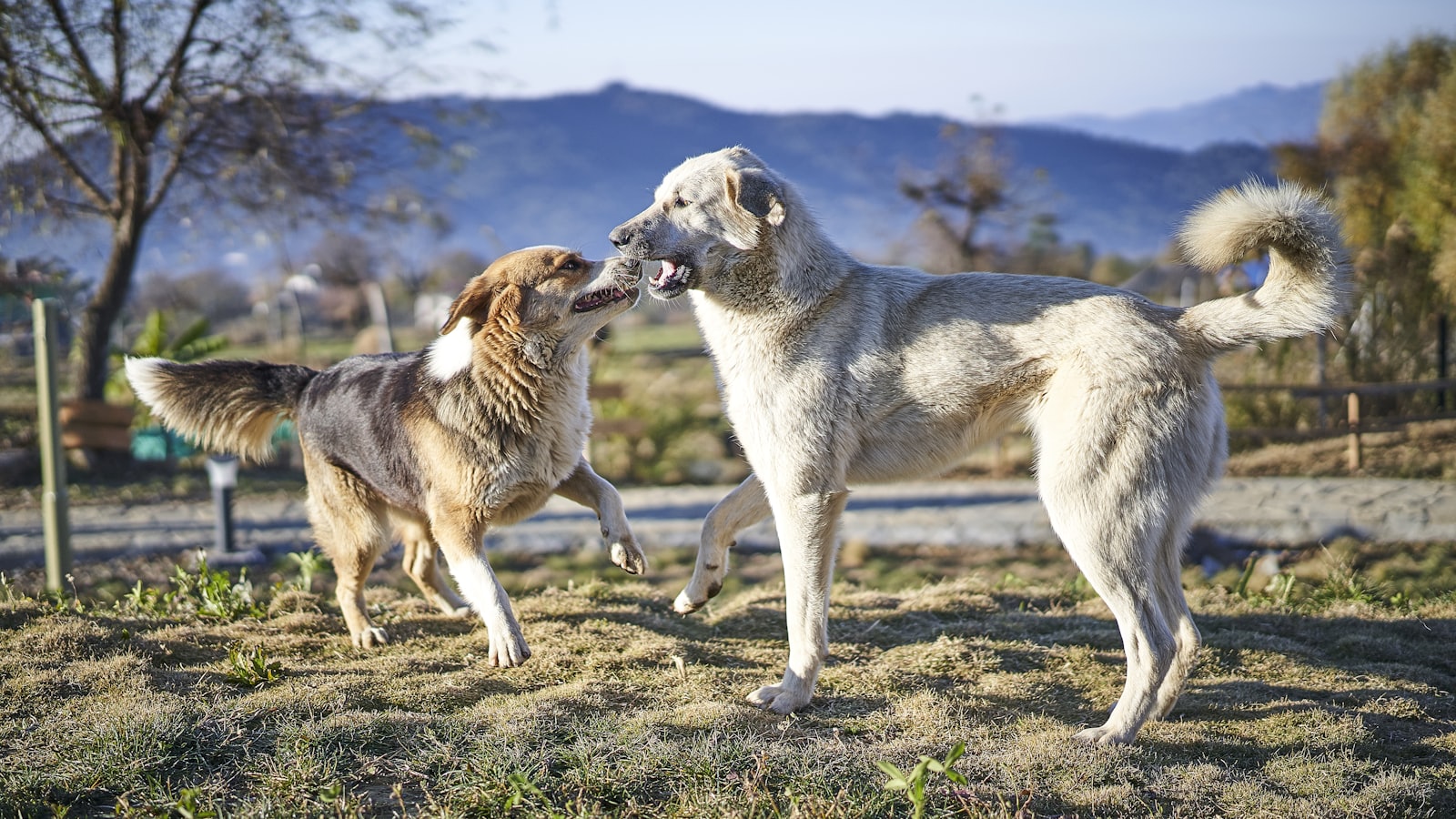
Somewhere between the multi-dog households and the daycare regulars, the only-dog owner starts to worry: is my dog lonely? Under-socialized? Missing something? Here's the reassuring truth veterinary behavior folks keep repeating: dogs need social skills, not a social calendar. An only dog with a few good dog-friends, calm public manners, and a rich human bond is doing great — often better than the overwhelmed daycare dog. The job isn't more dogs. It's the right reps.
An only dog isn't missing a pack. You're the pack — the job is keeping their dog-skills current, not their dance card full.
📋 Quick Read
- Social fluency is use-it-or-lose-it: without regular practice, dog-dog skills get rusty — the only-dog fix is a small, consistent circle (one or two compatible friends), not maximum exposure.
- Quality metrics beat quantity: a dog who can pass others calmly, greet politely for three seconds, and disengage on cue is more 'socialized' than the park's most frequent flyer.
- Watch for the rusty-skills pattern — over-excitement or over-caution around other dogs after long gaps — and treat it with easier, shorter, more frequent reps, not a big immersion day.
Build the small circle
The gold standard for an only dog is one to three regular dog-friends — compatible size, compatible play style, owners you can schedule with — met on a rhythm (weekly-ish beats monthly) in low-pressure formats: parallel walks first, then off-leash romps in a yard once the relationship is established. Recruiting is the hard part, and it's exactly what Pak Social's Playdate Matching is built for: nearby dogs filtered by temperament and play style, with the parallel walk as the interview. One well-matched friend seen weekly does more for social fluency than a season of dog-park roulette — and the friendship compounds, because familiar dogs practice deeper play repertoire together.

Public manners: the skill set that actually matters
Day to day, an only dog's social life is mostly incidental: passing dogs on walks, waiting outside the café, sharing a vet lobby. So train for exactly that. Neutral passing (dog sees dog, keeps walking — paid generously) is the highest-value rep and can be practiced on every walk. The three-second greeting (sniff, count three, 'let's go,' move off) keeps on-leash hellos from curdling — most leash scuffles happen after the three-second mark. And disengage-on-cue (your touch or let's-go from the earlier lessons) is the safety valve. A dog fluent in these three is fully socialized for the life they actually live, whatever their friend count.
The rest of the social diet
Fill the remainder with what only-dogs thrive on: human social variety (your dog meeting your friends, calmly, on the greeting rules), environmental variety (new streets, patios, stores — the world-is-boring work from the socialization curriculum), and enrichment that substitutes for the roughhousing a housemate would provide — tug and flirt-pole with you for the physical play channel, puzzle circuits for the brain. And release the guilt: signs of a genuinely content only dog are ordinary ones — settled evenings, good appetite, relaxed greetings, easy sleep. If those are present, the dance card is exactly full enough. If your dog truly lights up around others and you're tempted by a second dog someday, that's the two-dog-household decision — a different lesson, and never an obligation.
🗓 This Week's Plan
- Days 1–3: Ten neutral-passes paid across your normal walks; note the temperature.
- Days 4–5: One parallel-walk meetup — candidate interview or friend maintenance. Score the greeting.
- Days 6–7: One human-guest greeting on the three-second rules, and one roughhouse-substitute session (tug or flirt pole) with you.
Build the small circle in Pak Social
One compatible friend, one weekly rhythm, ten paid pass-bys. That's the whole assignment — and it's plenty.
Get Pak Social — Free ➡️ Up nextFear Periods and Socialization4 min read›