Fear Periods and Socialization
The confident puppy who suddenly fears the trash can isn't broken — they're on schedule. What fear periods are, when they hit, and how to steer through.
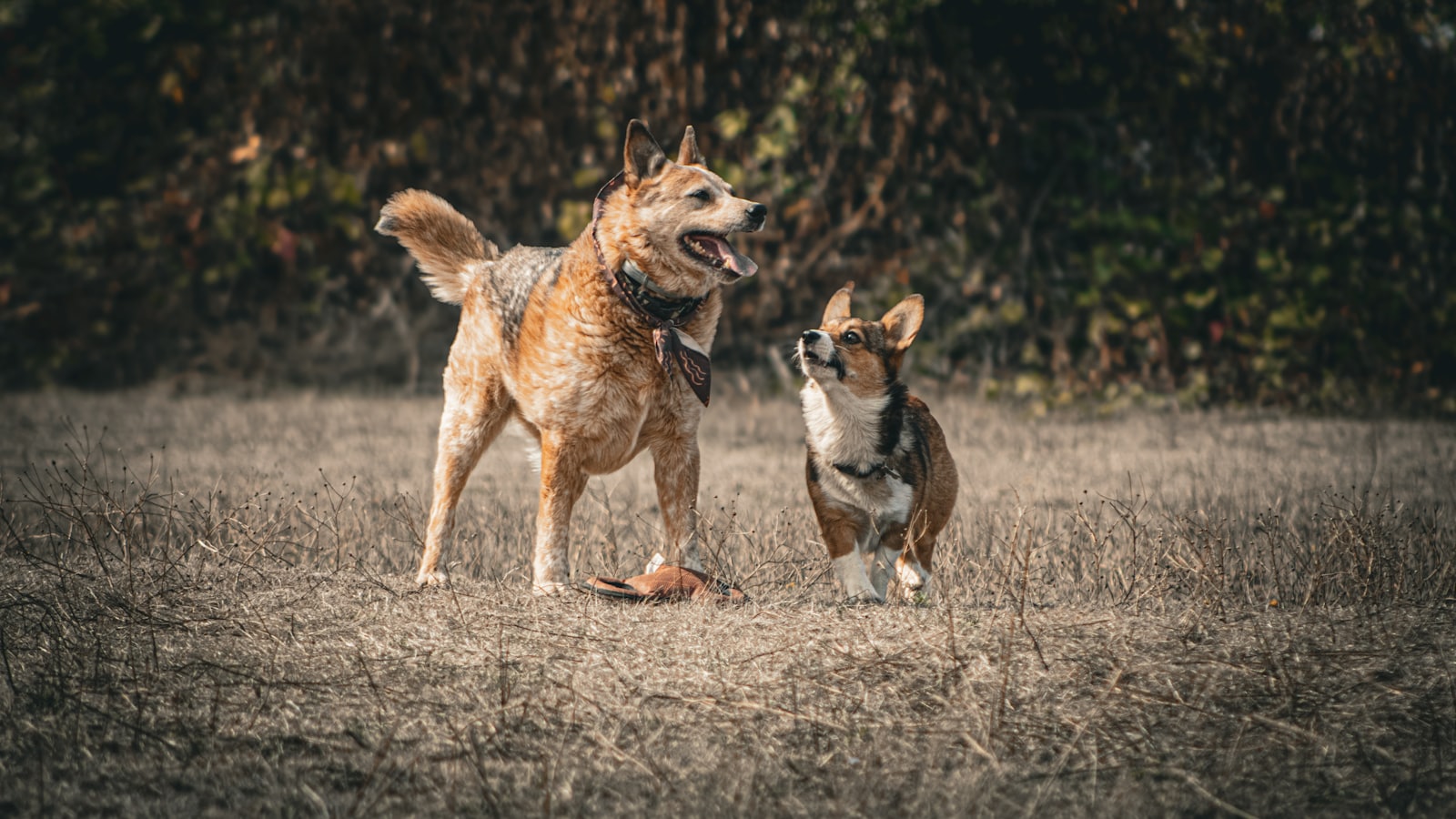
Week one: your puppy marches past the recycling bins like a tiny mayor. Week ten: the same bins are suddenly a horror movie — full stop, tail tucked, barking at an object they've passed forty times. Nothing happened. Nothing's wrong. You've hit a fear period — a scheduled developmental window where the puppy brain recalibrates what's dangerous — and how you handle the next few weeks matters more than the previous forty walks.
A fear period isn't a step backward. It's the brain asking one more time: are we SURE about the trash cans?
📋 Quick Read
- Two windows are typical: a first fear period around 8–11 weeks, and a second — often more dramatic — somewhere in adolescence (roughly 6 to 14 months), when familiar things abruptly turn suspicious.
- The rules of the window: don't force, don't flood, don't coddle-panic — support calmly, add distance, let the puppy investigate at their own speed, and pay every brave choice.
- Bad experiences cut deeper during these weeks (single-event learning is the danger), so schedule the hard stuff — shipping, surgery, chaotic events — around the window when you can.
Recognize the window
The signature is sudden onset without cause: a confident puppy who abruptly spooks at familiar things — objects, surfaces, sounds, sometimes people they know — with clingier behavior and a hair-trigger startle. The first window (8–11 weeks) often lands right at homecoming, which is why day-one gentleness matters; the second (anywhere from 6 to 14 months, breed-dependent) blindsides owners because the puppy seems grown. Duration runs days to a few weeks. Mark it in the journal when you spot it — dating the window helps you distinguish 'phase' from 'pattern' and reminds the household to shift into window rules.
The window rules
When the spook hits: stay boring and pleasant — no dragging toward the monster ('see, it's FINE'), no scooping up in alarm (your panic confirms theirs), no punishment ever (fear plus correction equals bigger fear). Add distance until your puppy can think (the treat test from the socialization lesson), then let them set the pace: most puppies, given slack leash and time, will stretch-sniff their way toward the trash can on their own — pay every step of that bravery generously. Keep the week's plans below threshold: this is the time for familiar routes and easy wins, not the street festival. And guard the calendar: elective stressors (grooming debuts, boarding, the vet's optional procedures) schedule better outside the window.
Recovery reps and the not-a-phase check
The window's gift is that recoveries compound: every spook-investigate-conquer arc teaches the meta-lesson 'scary feelings pass and bravery pays,' which is resilience itself — arguably the most valuable thing a young dog can learn. Engineer easy versions: novel-but-mild objects at home (the umbrella opened at distance, the cardboard robot), paid investigation, victory. Meanwhile run the calendar check: fear periods END. Fearfulness that persists past a few weeks, generalizes to more triggers, or intensifies isn't a window — it's a trajectory, and trajectories respond best to early help (the adult-socialization playbook, and for real struggles, a credentialed behavior professional). The journal you kept makes that call obvious instead of agonizing.
🗓 This Week's Plan
- Days 1–2: If you're in a window — date it in the journal, drop to familiar routes, brief the household on the rules.
- Days 3–5: Run two engineered recovery arcs with mild novelties at home; pay the bravery.
- Days 6–7: Review the log: recoveries speeding up = window working. Not improving after several weeks = book the professional conversation.
Start the Brave Ledger in Pak Social
Date the window, run the rules, pay five recoveries. The trash cans go back to being furniture — and your puppy graduates with the resilience file to prove it.
Get Pak Social — Free ➡️ Up nextSafe Socialization Before Full Vaccination5 min read›