Introducing a New Dog to Your Resident Dog
Bringing home a second dog? How you handle the first week shapes whether they become friends or rivals.
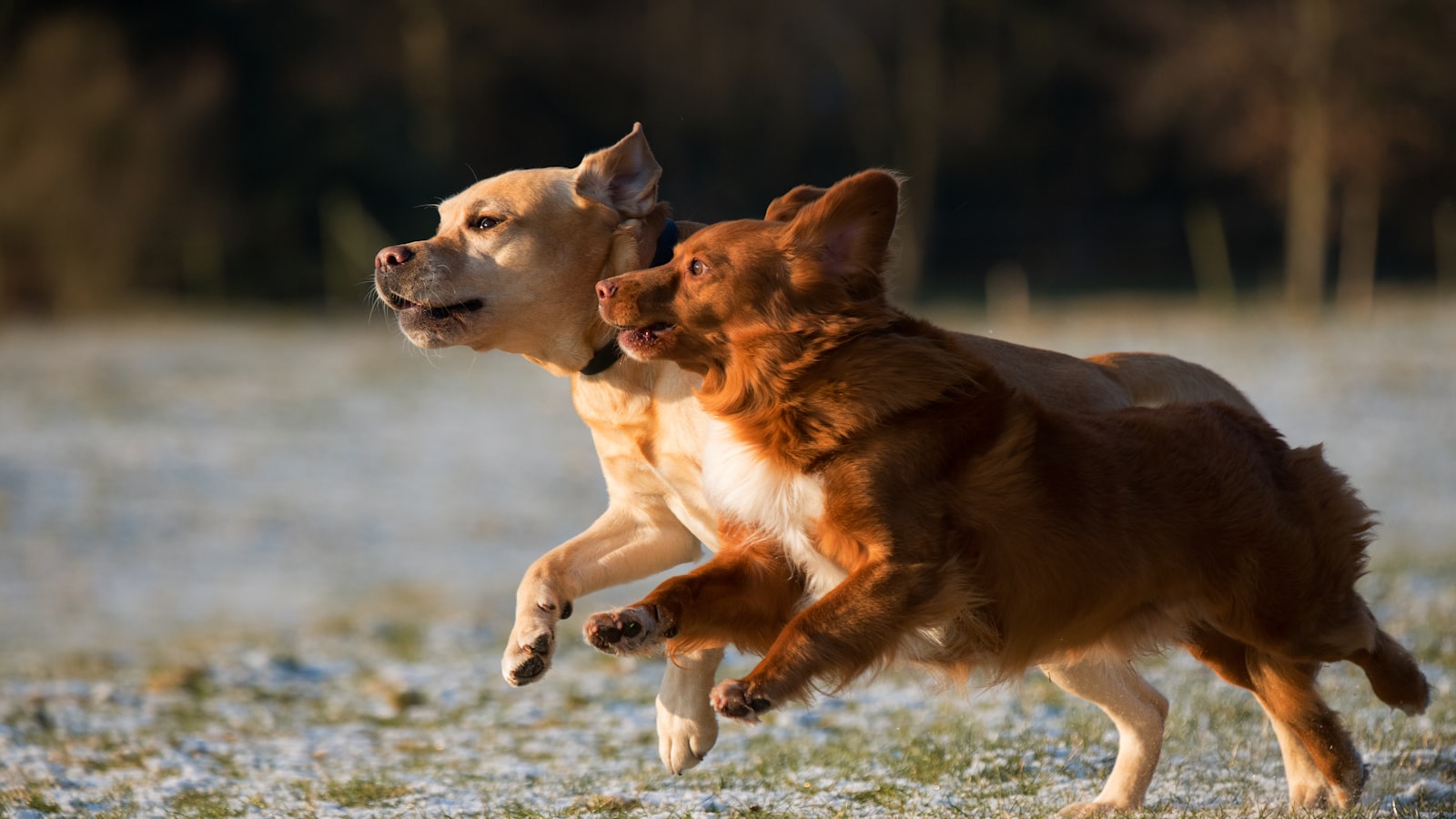
You've decided to add a second dog, and you're picturing instant best friends curled up together. Sometimes it happens fast — but rushing the introduction is the most common way a hopeful match turns tense. Two dogs meeting nose-to-nose in the front hallway, on their home turf, is a recipe for a bad first impression that's hard to undo. Set it up in stages instead, and you give a real friendship the room to grow.
Dogs don't need to be instant friends. They need a first week that doesn't teach them to be rivals.
📋 Quick Read
- First meetings go best on neutral ground with a parallel walk — never a head-on greeting at home, where territory raises the stakes.
- Go in stages: walk together, share space through a barrier, then supervised time inside — each stage earning the next.
- Manage resources from day one. Separate food, beds, toys, and doorways prevent the guarding that sparks most early conflicts.
Meet on neutral ground, side by side
Skip the front-door face-off. Have the dogs meet somewhere neither considers home turf — a quiet park or an unfamiliar street — with a calm handler for each. Walk them in the same direction several feet apart, dogs on the outside, and just let them exist near each other. Loose leashes, no forced greetings. If both stay relaxed over a few minutes, let the gap shrink for brief, curving sniffs, then move along again.
Bring the friendship home in stages
Once walks are relaxed, move home in steps rather than all at once. Let them see and smell each other through a baby gate or crate before sharing open space. Then allow short, supervised time loose together, both dragging leashes so you can calmly intervene. Keep early sessions brief and positive, and separate the dogs when you can't actively supervise — a settled, gated-apart pair beats an unsupervised scuffle every time.
Manage the flashpoints — and let time do the rest
Most early conflict is about resources, not personality. From day one, feed the dogs separately, pick up high-value chews and toys, give each their own bed and safe space, and don't let them bottleneck at doorways. Provide individual attention so no one feels they have to compete for you. Then be patient: many dogs take weeks to truly settle into a relationship. Calm coexistence first; friendship follows on its own timeline.
🗓 This Week's Plan
- Days 1–2: Do the first meeting as a parallel walk on neutral ground; keep leashes loose and greetings brief.
- Days 3–4: At home, let the dogs interact through a barrier, then short supervised time loose together — both dragging leashes.
- Days 5–7: Lock in resource management (separate food, beds, toys, doorways) and log each session's Greeting Calm Score.
Track the introduction in Pak Social
Log each session and rate how it went. Over the first couple of weeks you'll see the relationship settling — and know exactly when it's safe to loosen the structure.
Get Pak Social — Free ➡️ Up nextIntroducing Dogs and Cats4 min read›