Introducing Dogs and Cats
Dogs and cats can absolutely be friends — or at least peaceful roommates. The secret is going slower than feels necessary.
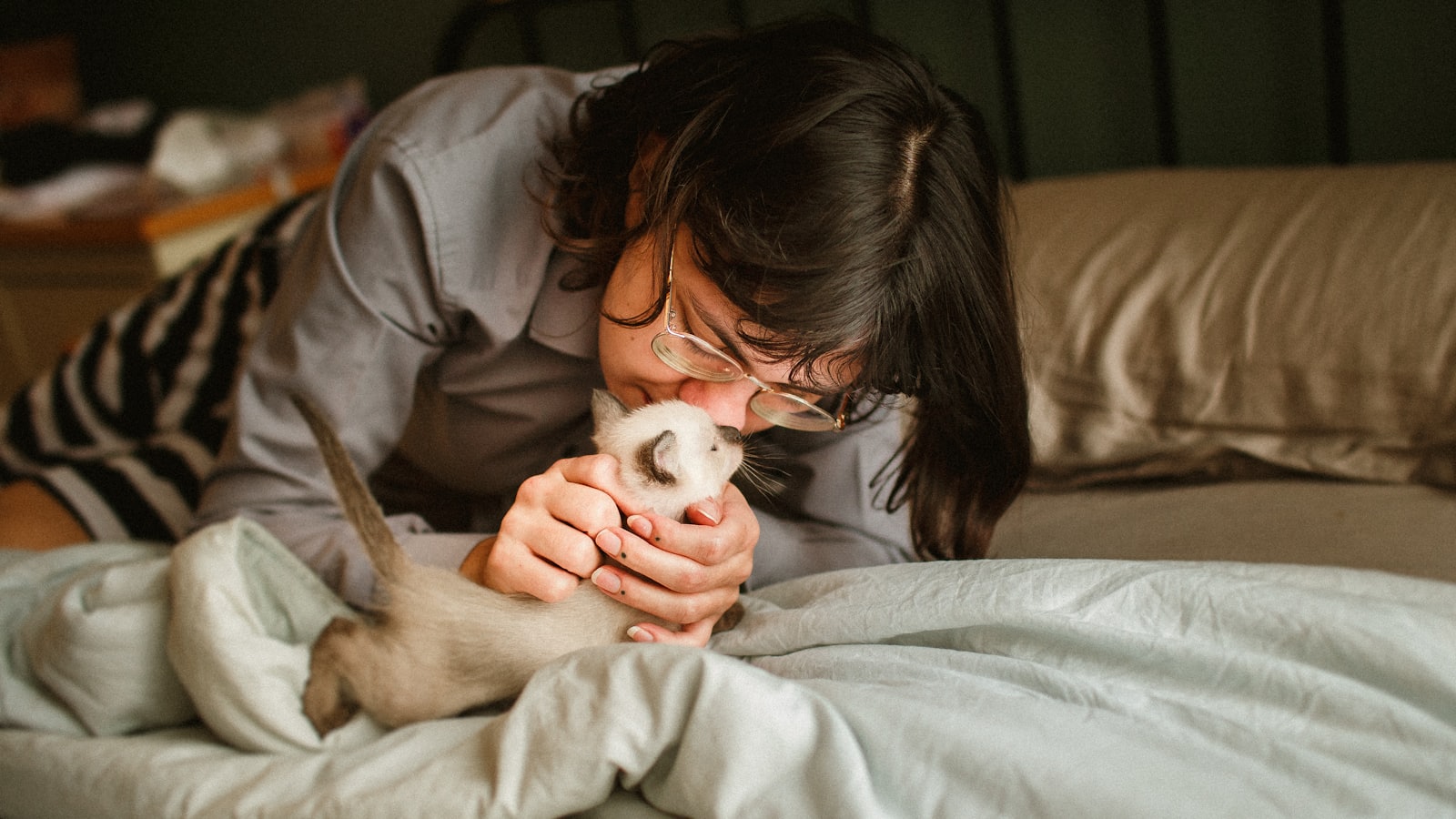
“Fighting like cats and dogs” is a cliché for a reason — but it doesn't have to be your reality. Plenty of dogs and cats become genuine companions, or at least comfortable housemates who share a couch. What separates the peaceful homes from the chaotic ones is almost never the animals' personalities; it's the introduction. Rush a dog and cat together face-to-face and you can set the tone for years. Do it in careful stages and you give a real friendship room to form.
Cats and dogs don't have to be enemies. They have to be introduced by someone with more patience than the internet.
📋 Quick Read
- Scent comes before sight, and sight comes before contact — you never begin with a nose-to-nose meeting.
- The cat always needs an escape route and high perches; a cat who can't get away is a cat who feels cornered.
- Watch the dog's arousal, not just aggression — a dog who fixates, whines, and can't look away is over threshold even if they're “just excited.”
Start with scent, not a meeting
Before the animals ever see each other, let them get familiar through smell. Keep them fully separated at first, then swap bedding or rub a cloth on one and place it near the other, and feed both on either side of a closed door so “the other one's smell” predicts dinner. You're building a positive association before the higher-stakes visual introduction — so the first sighting isn't the first thing they know about each other.

See, then meet — always in control
Once both are calm with the scent, let them see each other through a baby gate or crate while you reward calm behavior on both sides. When those sessions are relaxed, allow brief, controlled contact with the dog on leash, and keep early meetings short and positive. Never let a dog chase a fleeing cat, even in play — one good chase can undo weeks of work and teach the cat the dog is a threat. Calm coexistence is the goal; friendship, if it comes, comes later.
Give the cat the upper hand
Cats decompress best when they control the encounter, so stack the deck in their favor: high perches and cat trees to retreat to, a dog-free safe room with food, water, and litter, and baby gates or cat doors that let the cat pass but not the dog. Feed them separately and keep the litter box somewhere the dog can't “snack” or ambush. A cat who always has an exit relaxes faster — and a relaxed cat is far more likely to decide the dog is tolerable, even pleasant.
🗓 This Week's Plan
- Days 1–2: Keep them separated and start scent swapping; feed both on either side of a closed door.
- Days 3–4: Once calm with scent, allow sight through a baby gate and reward relaxed behavior on both sides.
- Days 5–7: Try brief, leashed, supervised contact — never a chase — and log each session's Greeting Calm Score.
Track the introduction in Pak Social
Log each session and rate how it went. Over a couple of weeks you'll see the arousal dropping — and know exactly when your dog and cat are ready for more freedom.
Get Pak Social — Free ➡️ Up nextIntroducing a Puppy to Resident Pets4 min read›