Socializing an Adult or Rescue Dog
Missed the puppy window? It's not closed — it's just a different door. Adult dogs socialize by learning the world is safe, at their own pace.
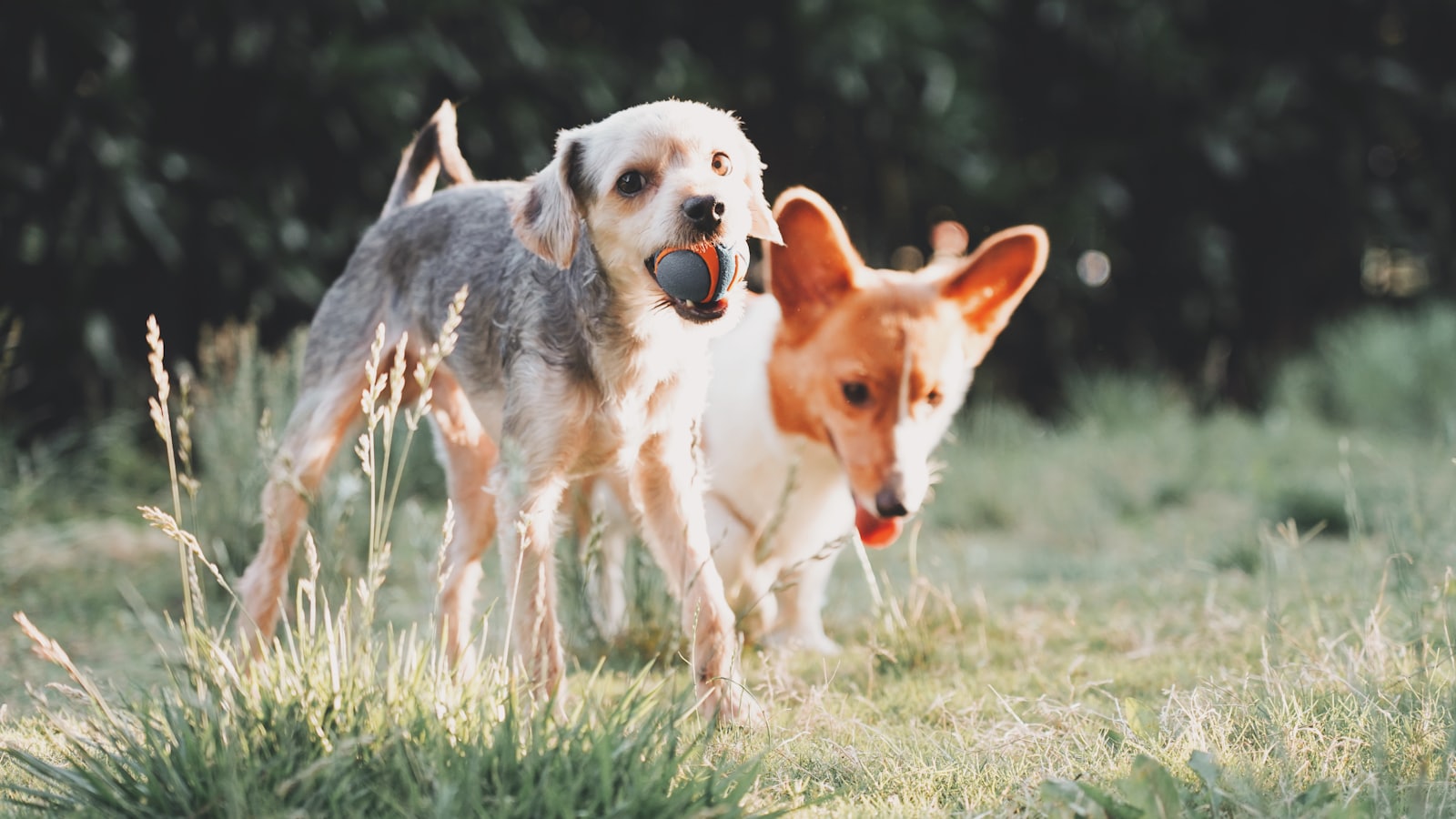
You adopted a three-year-old with soulful eyes and a mysterious past, and somewhere in week two you noticed: strangers make him stiffen, other dogs make him spin, and the famous "socialization window" you keep reading about slammed shut two and a half years before you ever met him. Take heart. The window is a head start, not a deadline — adult dogs learn the world is safe the same way anyone does: gradually, with good experiences, at a distance they can handle.
Socialization isn't meeting everyone. It's learning the world is boring — in a good way.
📋 Quick Read
- Adult dogs can absolutely be socialized — the mechanism is gradual positive exposure (desensitization and counterconditioning), and it works at any age. It's just slower than the puppy version.
- Distance is your master dial: every trigger has a range where your dog can notice it and stay thinking. Work there, and the range shrinks on its own.
- Curated beats crowded: one calm dog on a parallel walk teaches more than an hour of dog-park roulette — which is the worst possible classroom for an unsure adult.
Find the thinking distance
For each thing your dog is unsure about — strangers, dogs, traffic, hats — there's a distance where they clock it, maybe stare, but can still respond to you and take a treat. That's the thinking distance, and it's where all the work happens. Your dog notices the stranger across the park; cheese rains; the stranger leaves; nothing bad happened. Repeat over days and weeks, and the association quietly rewrites itself — at which point the thinking distance shrinks and you follow it in.
A dog who won't take food isn't being stubborn — a closed mouth at fifty feet is data. It means fifty feet is too close today. Add distance until the mouth works again; that's your starting line, wherever it is.
Parallel beats face-to-face
For dog-dog work, skip the head-on introduction entirely. Walking parallel — two dogs, two handlers, a road's width apart, moving the same direction — lets dogs gather information sideways, the way they prefer, with no pressure to interact. Over sessions the gap narrows on its own. It's the single most useful format for an unsure adult dog, and it's how you build toward the sniff-and-move-on greeting that actually matters in real life. (A dog who can pass other dogs calmly has better social skills than one who greets everyone frantically.)
Curate the syllabus
Think of socialization as a course you're designing, not a lifestyle of maximum exposure. Two or three short field trips a week — a bench outside the hardware store, the quiet end of the trail, one arranged parallel walk — beat a daily gauntlet. Between trips, let your dog decompress; stress hormones need time to come down, and stacking hard days undoes progress. And keep greetings optional forever: your dog never has to say hi to anyone. The goal is a dog who can exist calmly around the world, not a dog who loves every member of it.
The pattern most owners miss: progress with adult dogs is almost invisible week to week and unmistakable month to month. The owners who quit at week three usually weren't failing — they just had no log to show them the thinking distance had already halved.
🗓 This Week's Plan
- Days 1–2: Map the thinking distance for your dog's top two triggers — the range where they notice but still take treats.
- Days 3–4: Two bench sessions at that distance. Reward calm looks; leave early.
- Days 5–7: Arrange one parallel walk with a calm dog. Score the Greeting Calm afterward and note the recovery time.
Start the Calm Greetings program in Pak Social
Map the thinking distance, book one parallel walk, and log the scores. Your adult dog's window isn't closed — it's open exactly as wide as you work it.
Get Pak Social — Free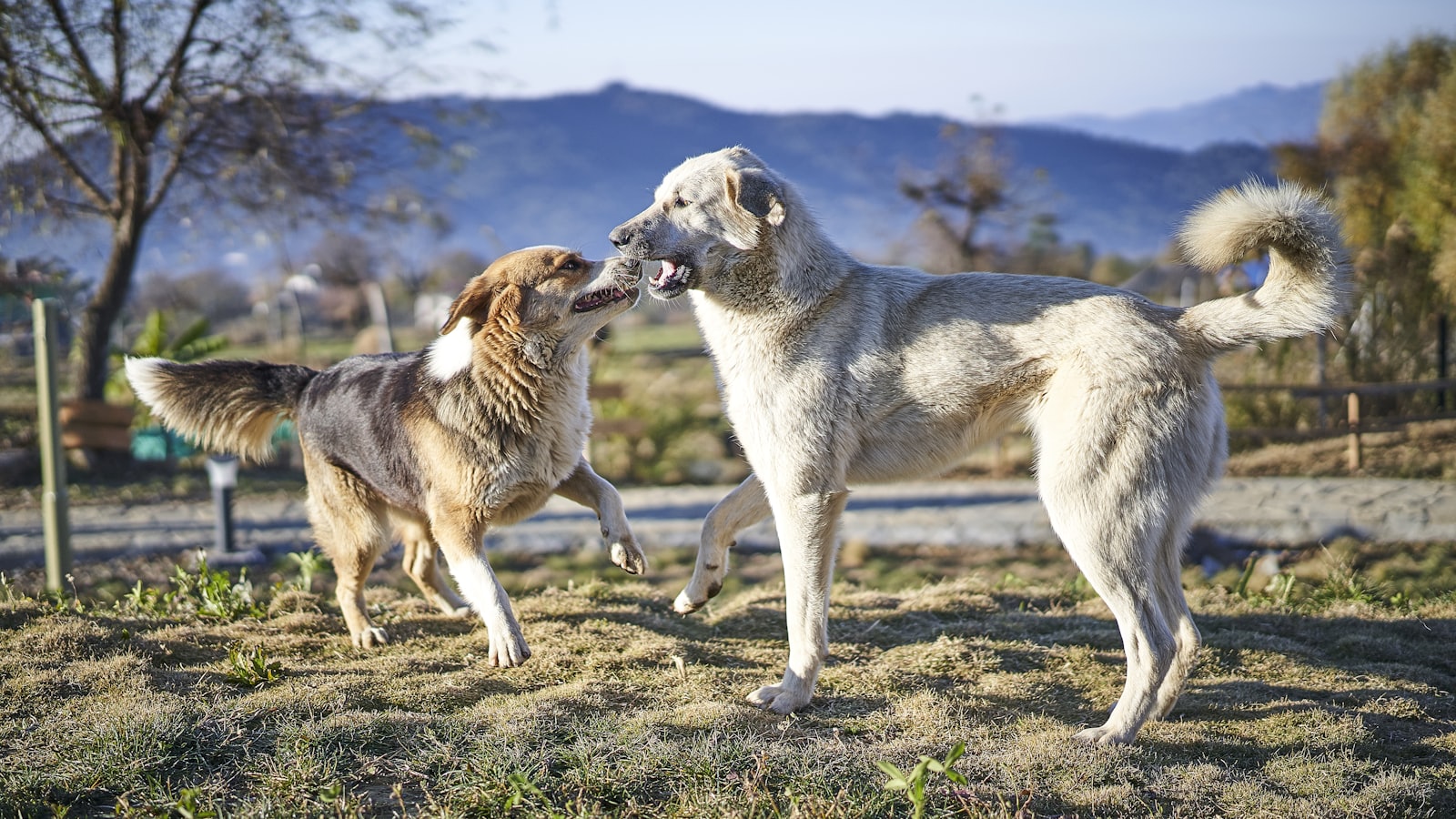 ➡️ Up nextSocializing an Only Dog4 min read›