Reading Your Dog's Body Language
Your dog is talking to you all day long — with their tail, ears, mouth, eyes, and whole body. Here's how to listen.

We spend so much energy teaching dogs to understand us — sit, stay, come — and so little learning their language. Yet your dog is communicating constantly, in a rich vocabulary of tail, ears, mouth, eyes, and posture. Learn to read it and everything changes: you'll spot stress before it becomes a snap, know when your dog is truly happy versus just tolerating something, and respond to what they're actually feeling. It's the single most useful skill an owner can build.
“Wagging means happy” is the myth that gets people bitten. Dogs speak with the whole body — read all of it.
📋 Quick Read
- No single body part tells the story — a wagging tail can signal arousal or even a warning. You read the whole dog, in context.
- The key channels are the tail, ears, mouth, eyes, and overall body tension, and they work together like words in a sentence.
- Reading body language lets you catch discomfort early and respond, which prevents most bites and builds deep trust.
Read the whole dog, not one part
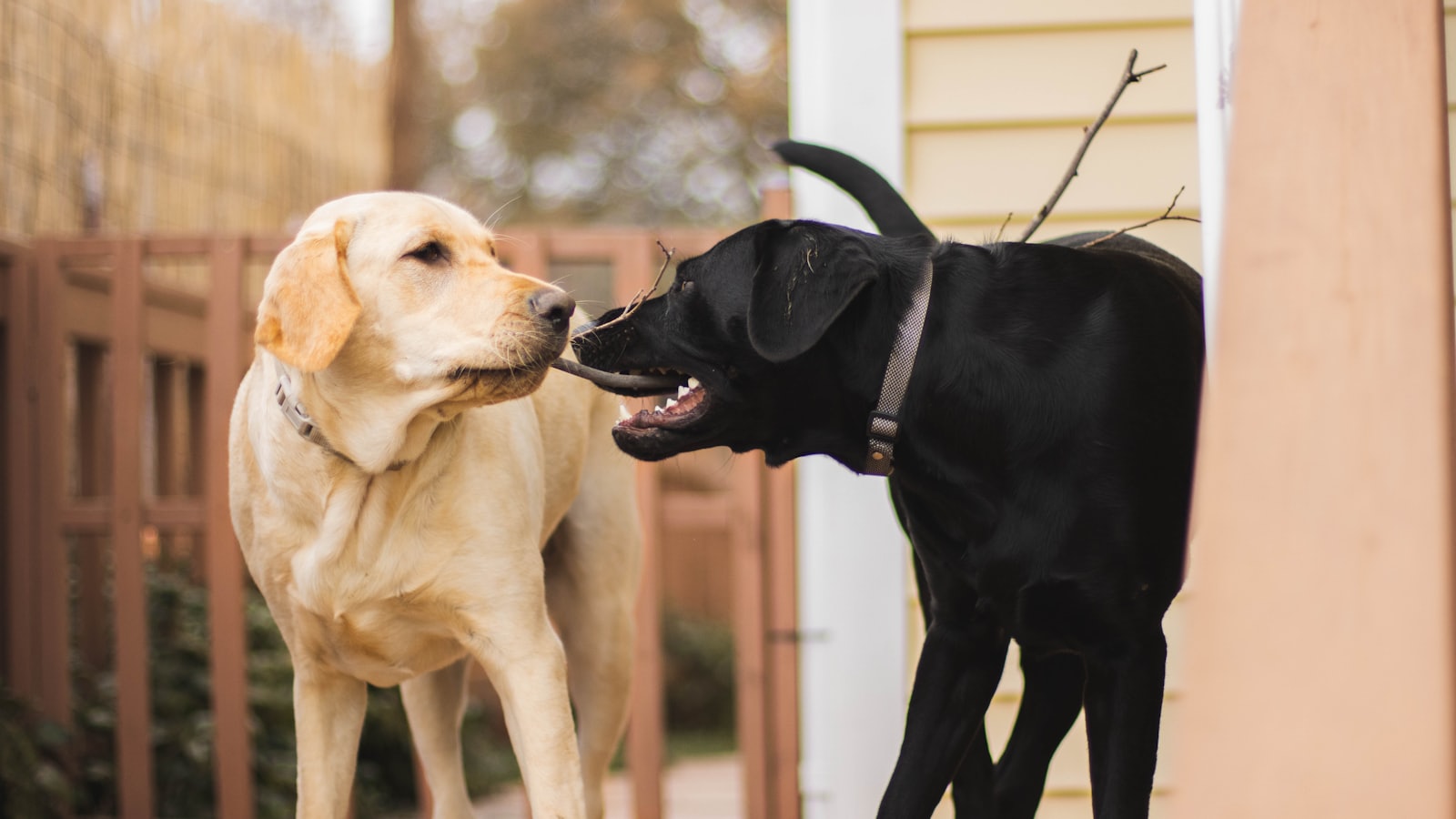
The biggest mistake is reading a single signal in isolation — usually the tail. Real fluency means scanning the whole body at once: the tail (its height, stiffness, and how it's moving), the ears (forward, neutral, or pinned), the mouth (loose and open, or tight and closed), the eyes (soft, or a hard stare with whites showing), and the overall body (loose and wiggly, or stiff and frozen). Together, these paint a clear picture; alone, any one can mislead you.
What each channel is telling you
A few quick translations. Tail: a high, stiff, fast wag is high arousal (not friendliness); a low or tucked tail is worry. Ears: forward means alert or interested, pinned back means fear or appeasement. Mouth: loose and slightly open is relaxed; tight, closed, or a sudden hard-closed mouth signals tension. Eyes: soft and blinky is calm, while a hard stare or “whale eye” (whites showing) is a warning. None of these is absolute — but combined, they're remarkably reliable.
Context turns signals into meaning
The same signal means different things in different moments, so always read body language against the situation. A ground-sniff on a relaxed walk is just sniffing; the same sniff the instant another dog approaches is likely a calming signal meaning “I'm unsure.” A loose body at the door greeting you is joy; a stiff freeze over a food bowl is a warning. When you combine the whole-body picture with what's happening around your dog, you stop guessing and start genuinely understanding — and your dog feels understood in return.
- Tail: height, stiffness, and speed (not just “wagging = happy”)
- Ears: forward, neutral, or pinned back
- Mouth: loose and open, or tight and closed
- Eyes: soft, or a hard stare / “whale eye”
- Body: loose and curvy, or stiff and still
- The whole picture in context, not one part alone
🗓 This Week's Plan
- Days 1–2: Watch your dog relaxed and learn their calm baseline — tail, ears, mouth, eyes, body.
- Days 3–4: In a mildly exciting moment, scan all five channels and name what you see.
- Days 5–7: Note situations where your dog looks tense and log the cues and Calm Recovery Score.
Learn your dog's language in Pak Social
Log the cues and situations you notice and rate your dog's Calm Recovery Score. You'll build the fluency that prevents bad moments and deepens trust.
Get Pak Social — Free ➡️ Up nextGrowling Is Communication: How to Listen6 min read›