Growling Is Communication: How to Listen
The sound every owner dreads is actually a gift: a dog choosing words over teeth. What growls mean, why punishing them backfires catastrophically, and how to answer instead.
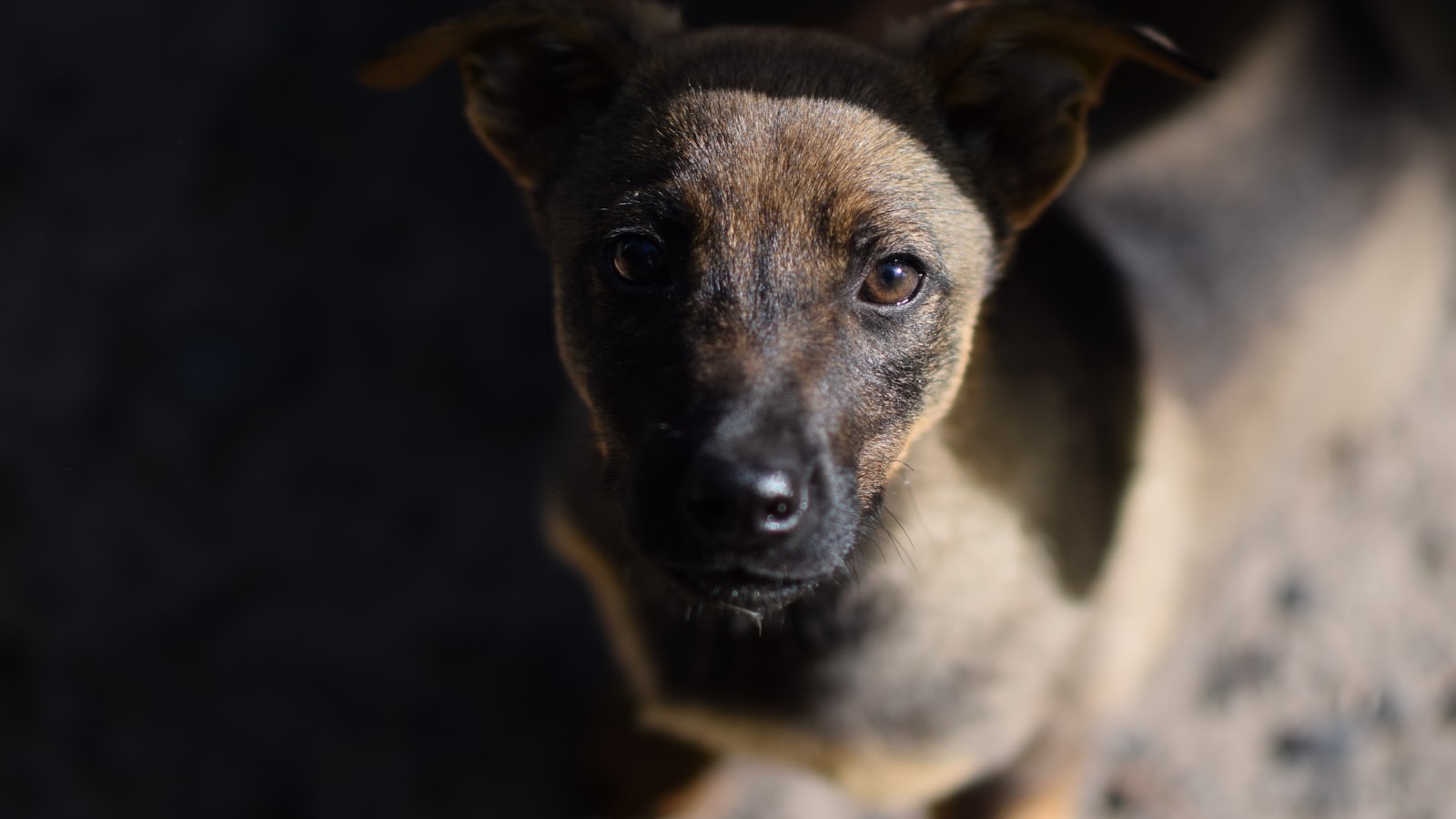
The growl freezes every room — and triggers the instinct that causes more bites than almost anything else in dog ownership: punishing it. Here's the reframe that veterinary behaviorists beg owners to internalize: a growl is a dog choosing communication over contact — the smoke detector, not the fire — and a dog punished for growling doesn't stop being uncomfortable; they stop announcing it. The 'bit without warning' dog is usually a dog whose warnings were trained away.
Never punish the smoke detector. The growl is your dog choosing words over teeth — and you want them to keep choosing words.
📋 Quick Read
- Growls have dialects: play growls (loose body, mid-tug — pure fun), warning growls (stiff body, hard eye — 'I need space'), pain growls (during handling — a vet flag), and fear growls (retreating — 'please stop approaching').
- The response to a warning growl is always the same first move: stop the pressure, create space, and THEN diagnose what the dog was telling you — the growl is answered, never punished.
- The listening protocol makes dogs safer: owners who honor growls get dogs who warn earlier and softer; owners who punish them get dogs who skip the warning — the escalation ladder loses its bottom rungs.
Learn the dialects (context is the translator)
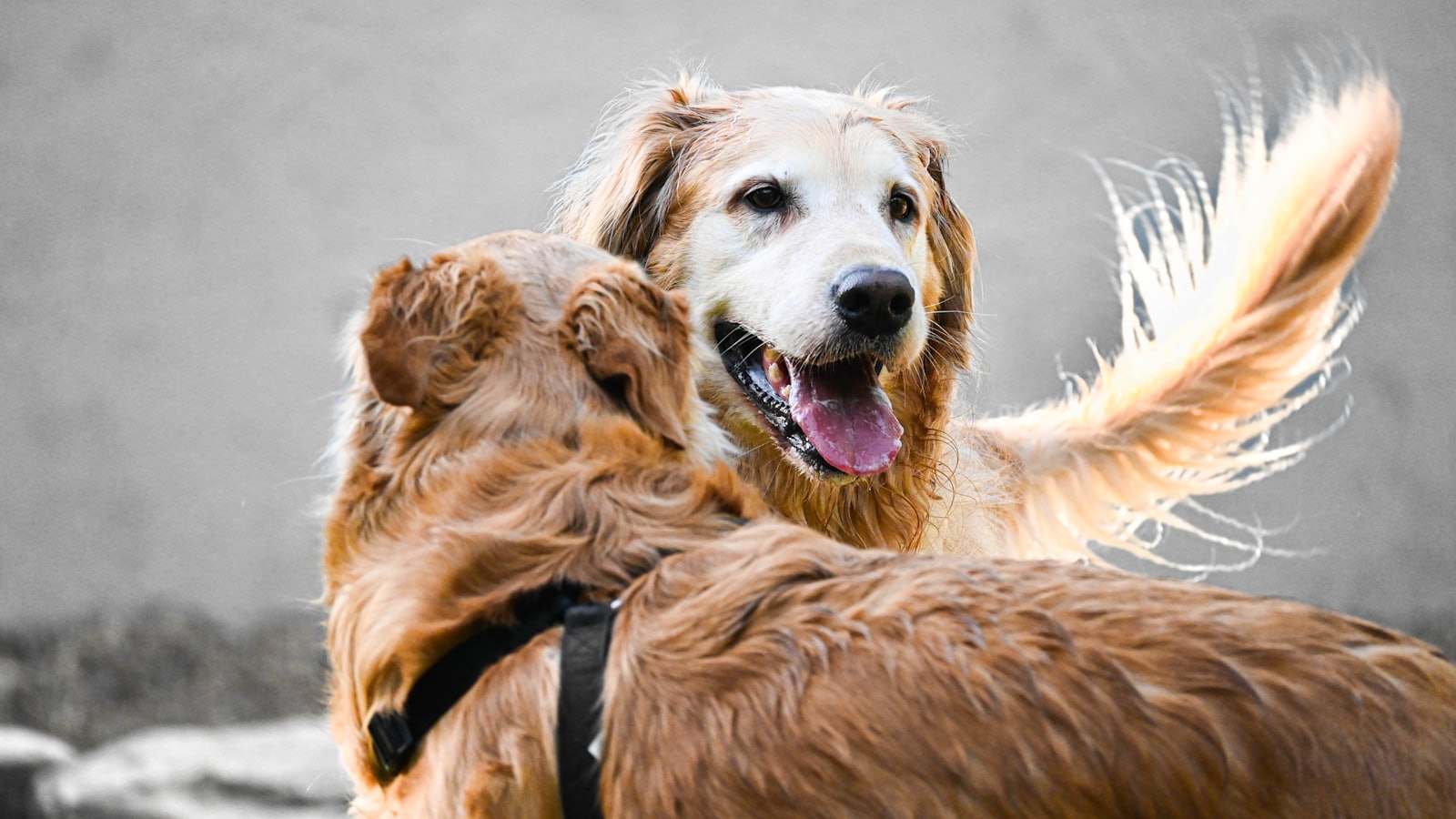
Play growls: mid-tug, mid-wrestle, mid-zoomie — riding a loose, wiggly body, often with play bows bracketing them; they're sound effects, not statements, and games can continue (the trick and tug lessons' rumbling soundtrack is healthy). Warning growls: low, sustained, riding a stiffened body, closed mouth, hard or whale eye — aimed at whatever's applying pressure (an approach, a reach, a hug, another dog); these are the ones this lesson exists for. Pain growls: during or anticipating touch — the grooming brush at the hip, the harness over the head, the child's hug — and they're medical flags first (the arthritis and handling lessons' territory: new touch-growling in any dog books a vet visit before a trainer). Fear growls: from retreating dogs, cornered dogs, hiding dogs — 'stop approaching' in its clearest form, answered by exactly that. When unsure, read the body, not the audio: loose means play; stiff means listen.
The answer protocol (what to do in the moment)
When a warning growl fires: stop the pressure — pause the approach, withdraw the reach, end the hug, call the child back — calmly and without drama (no scolding, no soothing fuss; just the pressure ending). Make space if the dog can't (step back from the cornered dog; don't force the retreat-less to escalate). Then, after the moment: diagnose, don't discipline — what was the dog protecting, anticipating, or fearing? The growl was the last line of a sentence that started with lip-licks and freezes you can learn to catch earlier (the stress-signals lesson is the prequel to this one). And permanently retire the worry that stopping 'rewards' the growl: you're not rewarding it — you're keeping it functional, which is the entire safety system. The dog who learns growls work uses them sparingly and early; the dog who learns they don't, stops using them at all.
After the growl: fix the cause, keep the fluency
Each dialect routes to its protocol: possession growls → the guarding lesson's deposit-and-trade economy; handling growls → the vet first (pain rules everything), then the cooperative-care ladder; stranger or fear growls → the threshold-and-distance machinery (socialization, shy-dog, and reactivity lessons); kid-adjacent growls → management NOW (barriers, supervision — the growl was a gift; answer it with structure) plus the professional conversation, because children and warnings are never left to run unsupervised. Repeat growls in the same context are data screaming for a plan — not a dog 'testing' you. And teach the household the fluency: everyone learns the dialects, everyone answers with space, nobody punishes the detector — because the family that listens raises the dog who barely ever needs to raise their voice, and that dog is the safest dog there is.
- Everyone can tell play growls from warning growls (body, not audio)
- Warning growls end the pressure — calmly, every time
- Nobody punishes growling, ever — the detector stays live
- Lower-rung signals (freeze, lip-lick, whale eye) get caught early
- New touch-growling books the vet before the trainer
- Kid-and-dog interactions are managed, not refereed by growls
- Repeat-context growls get a protocol, not a lecture
🗓 This Week's Plan
- Days 1–2: Teach the household the four dialects and the answer protocol — pressure stops, space made, no drama.
- Days 3–5: Run the Whisper Audit — catch and log the below-growl signals; adjust the pressure earlier.
- Days 6–7: Route any pattern to its lesson (guarding, handling+vet, fear protocols) and set the management where kids are involved.
Start the Whisper Audit in Pak Social
One week of answering the quiet signals. The growl was always a gift — and the household that listens almost never receives it.
Get Pak Social — Free ➡️ Up nextStress Signals Most Owners Miss4 min read›