Marking vs. Accidents: What's Going On
Small amounts, vertical surfaces, a house-trained dog — that's not a potty failure, it's a message. How to tell the two apart, and why each needs a different fix.
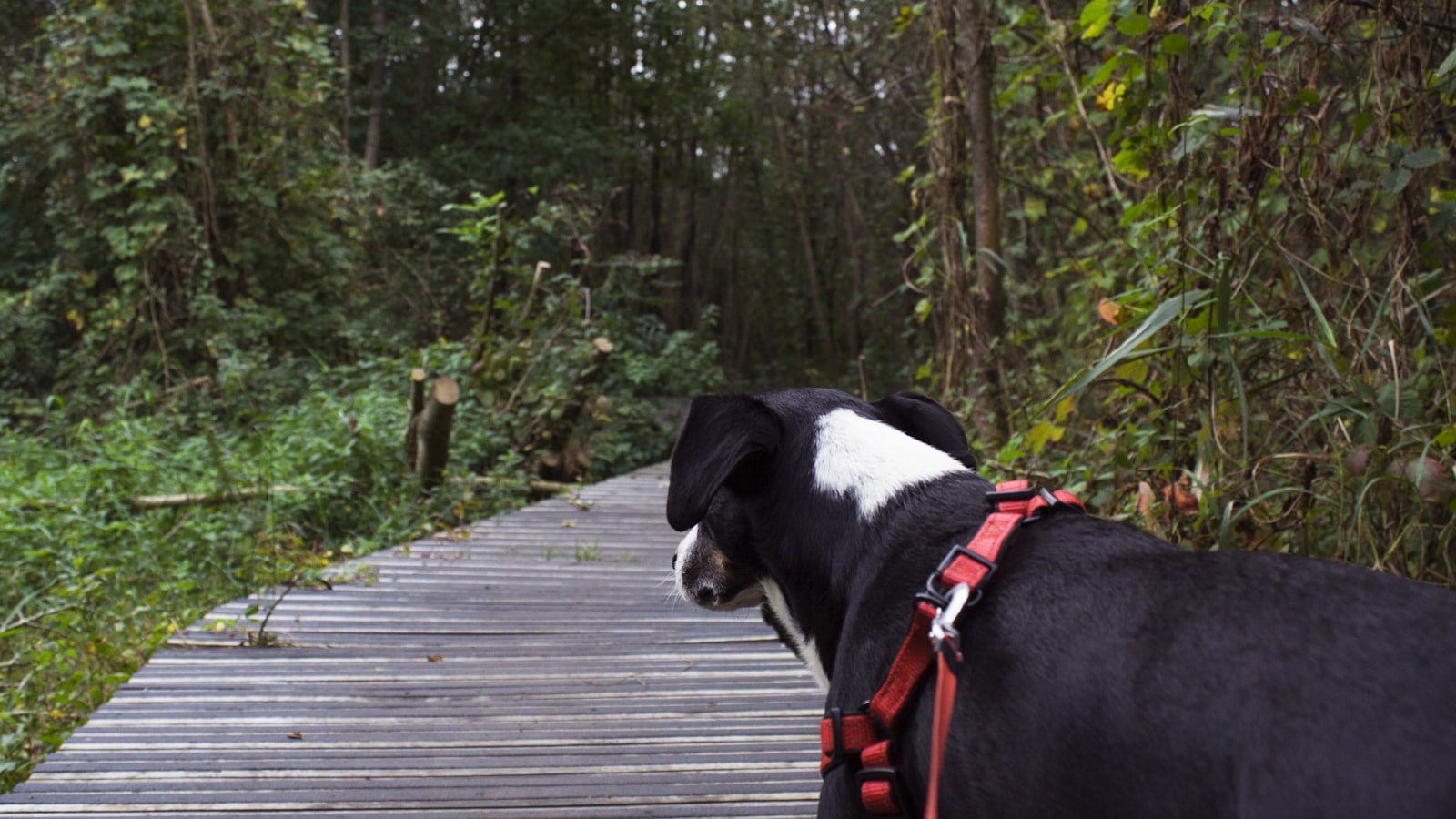
Your reliably house-trained dog just left a small, deliberate splash on the new couch leg — and your first instinct is to restart potty training. Hold that thought: marking and accidents are different behaviors with different causes and different fixes, and running the wrong protocol wastes weeks. Accidents are a plumbing-and-schedule problem; marking is a communication behavior — territory, anxiety, or novelty — and it responds to management and message-reading, not more potty trips.
An accident empties the bladder. A mark sends a memo — and you fix memos by addressing what they're about.
📋 Quick Read
- The tells are physical: marking is small-volume, targeted (vertical surfaces, new objects, socially significant spots), often with a raised leg — accidents are full-bladder puddles wherever the schedule failed.
- Marking's triggers are social and situational: new furniture, visiting dogs, household changes, intact hormones — anxiety and territory are the usual authors of the memo.
- The fix stack: rule out medical first (sudden urination changes always start at the vet), then management (supervision, belly bands short-term, enzymatic cleaning), trigger reduction, and — for intact dogs — the neutering conversation.
Read the evidence like a detective
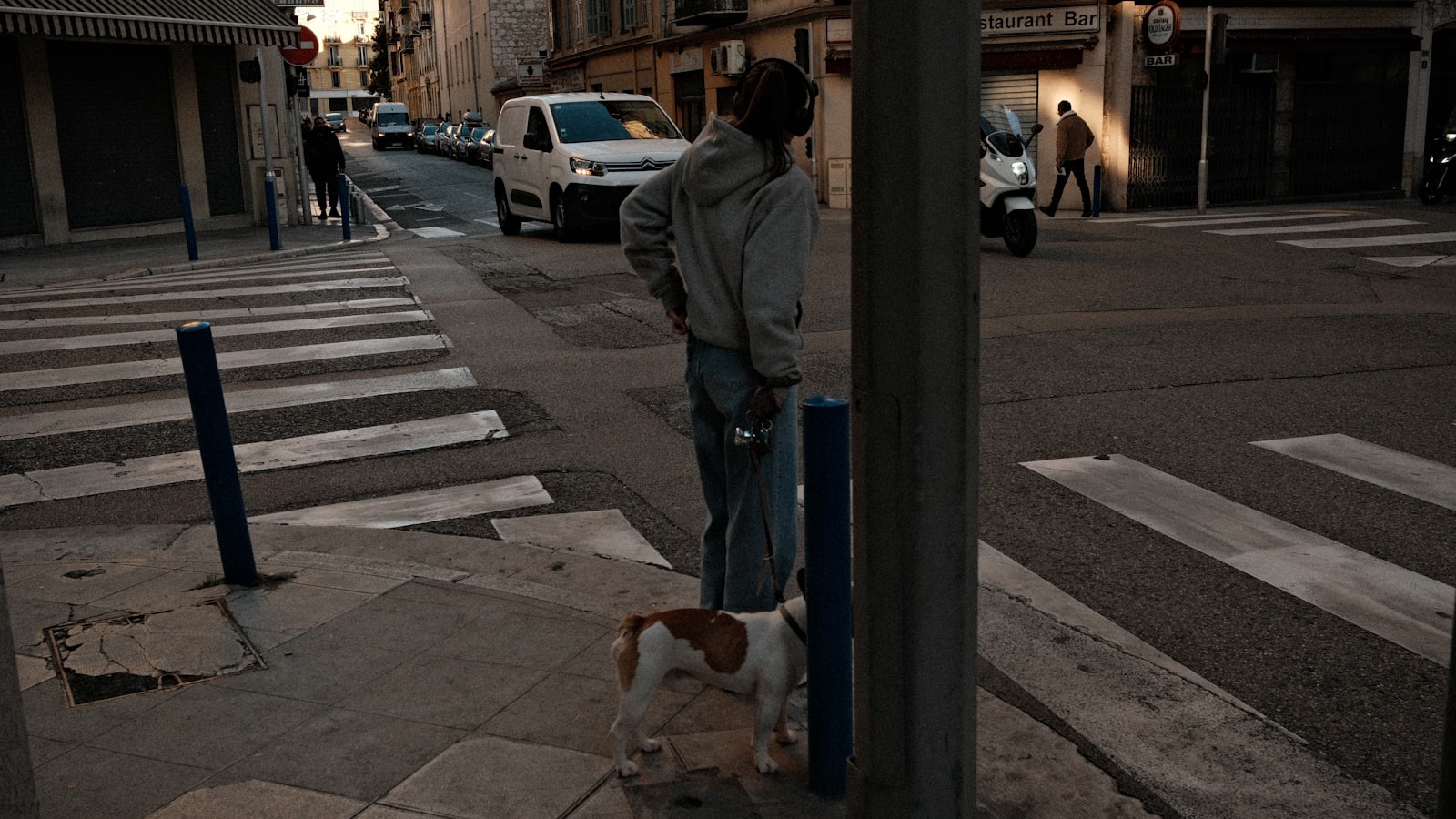
Run the differential on what you're finding: Volume — a tablespoon says marking; a puddle says bladder. Placement — vertical surfaces, doorframes, new shopping bags, the guest's suitcase say marking; floor centers and out-of-sight corners say accident (or the sneaky-elimination pattern from punished-potty history — the potty lessons cover that repair). Timing — marks cluster around social events (visitors, new pets, moves, even rearranged furniture); accidents cluster around schedule gaps. The dog — intact males lead the league, but neutered males and females mark too, especially under stress. And frequency-of-small-amounts has a medical twin: a dog dribbling small volumes often isn't marking at all — that's a classic UTI presentation, which is why the vet visit leads the protocol whenever the pattern is new.
The marking fix stack
Once medical is cleared and the pattern says memo: clean every site enzymatically (regular cleaners leave the scent signature legible to the author — the enzymatic gallon from the proofing lesson finishes the conversation), manage access (supervision indoors during the retraining window, doors closed to the favorite galleries, a belly band as a short-term circuit-breaker for committed indoor markers — a management tool, never the whole fix), and reduce the triggers you can name: the visiting dog's bedding laundered before it lingers, the window-patrol view filmed where the neighbor dog parade drives the messaging, new objects introduced at floor level AFTER a supervised sniff session. Pair it with deposits on the positive side — reward-marked outdoor marking is fine and healthy (let the walk's fire hydrants carry the correspondence), and the schedule-and-enrichment baseline keeps anxiety-authored memos from being written at all. For intact males with a marking habit, add the neutering conversation to the vet agenda; for anxiety-heavy patterns (marking clustered around departures or household tension), the alone-time and confidence lessons are the actual authors' address.
When it's actually accidents (and the hybrid cases)
If the evidence says bladder — volume, floor placement, schedule correlation — route straight to the potty lessons' machinery: the schedule audit, the supervision rings, the paid outdoor performances; adult-onset accidents in a trained dog also warrant the medical look (the senior lessons flag the age-related versions). And expect hybrids: the new rescue marking through week two (novel-territory memos that usually fade as the 3-3-3 settling and your supervision do their work), the adolescent male discovering his signature (hormones plus habit-window — manage it now or it self-reinforces), the multi-dog household's correspondence wars (clean enzymatically, manage the instigating trigger, and let the schedule lessons lower the temperature). The good news across every version: between the vet, the detective work, and the fix stack, indoor urine messaging is one of the most solvable behavior complaints there is — it just has to be solved as what it actually is.
- Small volumes, not full puddles
- Vertical surfaces or new/socially-charged objects
- Clusters around visitors, new items, or changes
- The dog is otherwise reliably house-trained
- Pre-mark ritual visible (sniff, align, leg)
- Medical ruled out (or vet visit booked)
🗓 This Week's Plan
- Days 1–2: Start the incident log with the three differentials; book the vet if the pattern is new or frequent-small.
- Days 3–4: Enzymatic-clean every historical site; set the supervision window and close the favorite galleries.
- Days 5–7: Trigger-reduce (film, launder, manage introductions) and practice two draft-interruptions with cheerful redirects.
Start the Detective Week in Pak Social
Log the evidence, clean the archives, read the memo. The couch leg was never a potty failure — and now you know exactly which problem you're solving.
Get Pak Social — Free ➡️ Up nextPotty Training Without Setbacks9 min read›