Long-Line Recall Practice
The 30-foot training line is the bridge between kitchen recalls and true off-leash trust — freedom with a safety net, distraction with a floor.
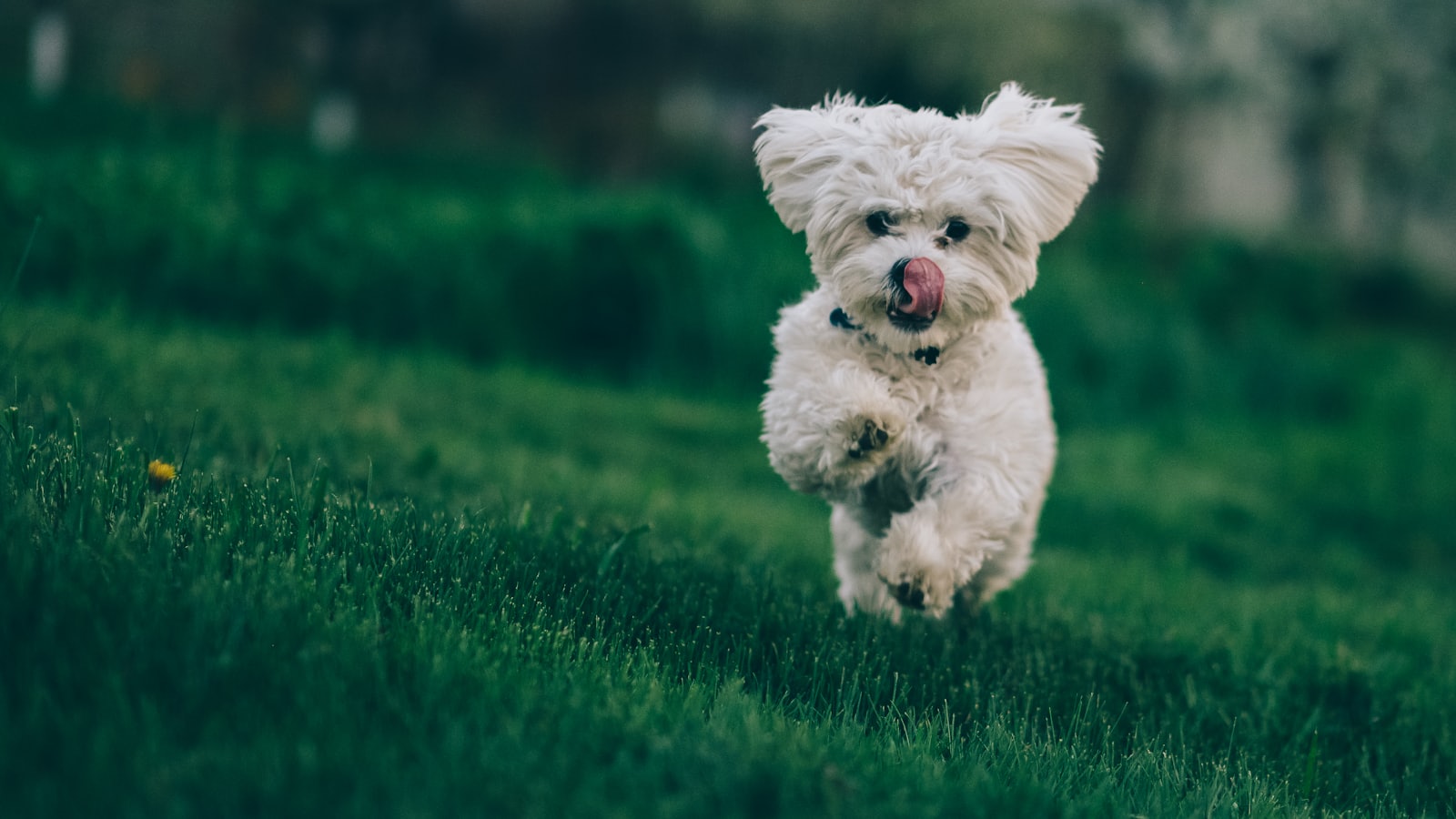
Your recall works in the yard. Off leash at the trailhead? That's a coin flip you're not ready to bet a dog on — and you shouldn't be. Between those two worlds lives the most underused tool in dog training: a thirty-foot line and a field. The long line gives your dog real distance, real smells, real distractions — everything off-leash life offers — while physics quietly guarantees that 'come' never fully fails. It's how off-leash dogs are actually made.
Off-leash reliability isn't a leap of faith. It's a long line getting gradually longer until nobody's holding it.
📋 Quick Read
- The long line (20–50 feet of biothane or flat lead — never a retractable) lets you train recall at distance with distractions, while making the un-recallable moment physically impossible.
- The handling rules keep it safe: line drags or loops loosely, never wrapped around hands, attached to a back-clip harness — and gloves on grabby days.
- Graduation is earned in data: when recalls at full line-length hit 9-of-10 across multiple locations and distraction levels, you're ready to test a dragging line — then none.
- Line work fails in knowable ways — end-of-line launches, the recall that dies when the line drags, the tangle-magnet field — and each one has a handling fix, not a dog problem.
What you need
A 20–30 ft long line — biothane for wet grass, flat nylon or cotton for dry fields — and never a retractable, which keeps constant tension and can't be dropped safely. A back-clip harness, non-negotiable. Light gloves for the days the line runs through your hands. Premium treats in a pouch you can reach at a jog. And the most boring open field you can find — no trees to start, no dogs, room to be wrong safely.
Gear and the safety rules
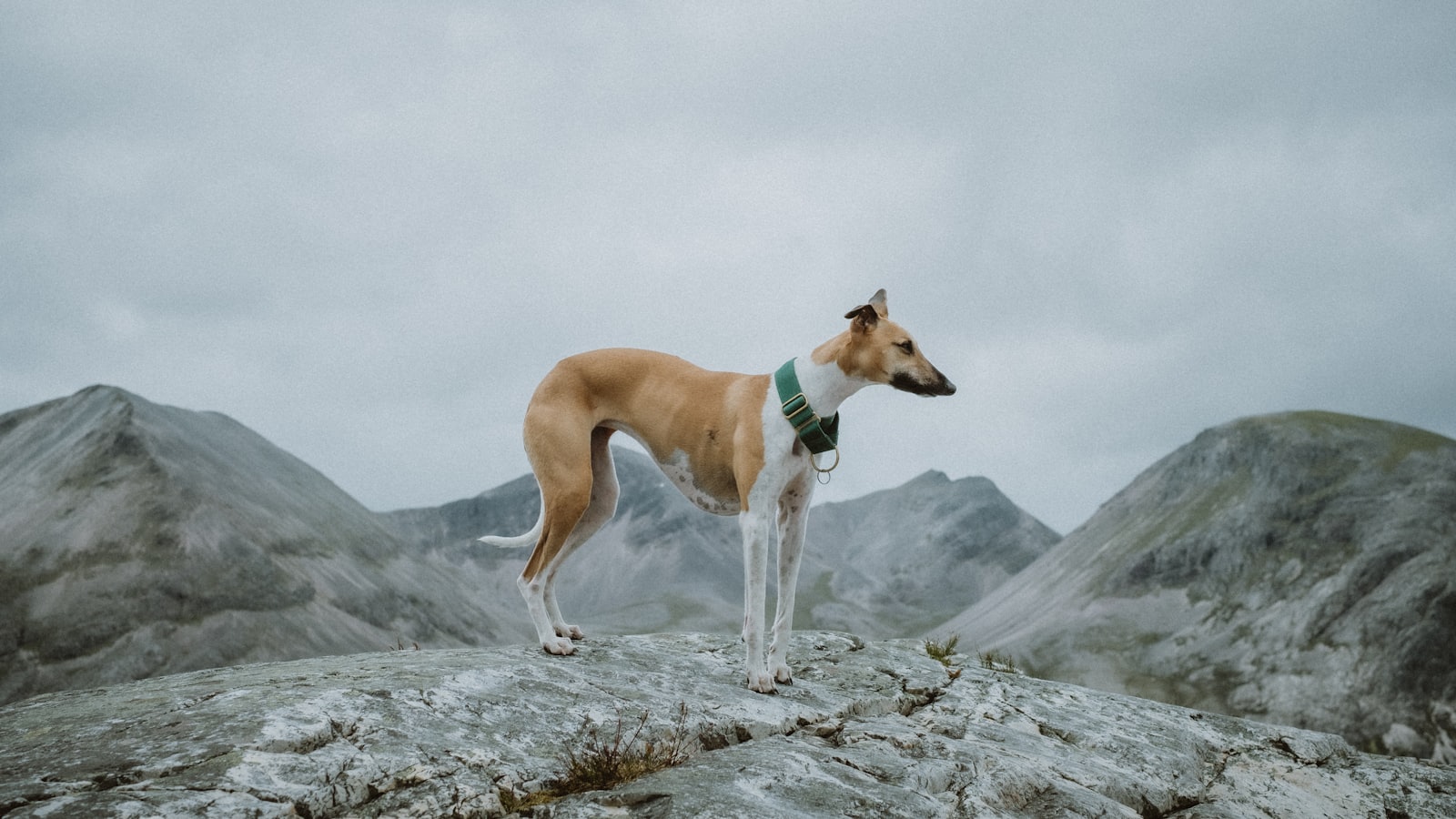
Buy a purpose-made long line — 20 to 30 feet to start, biothane if you'll work in wet grass (it doesn't soak or tangle like cotton) — and clip it to a back-attachment harness, never a collar: a sprinting dog hitting the end of a line on their neck is an injury, on a harness it's a lesson in physics. Handling: the line drags or trails through a loose hand, never wrapped around fingers or wrist; gloves save skin on grabby days; and you manage slack like a fly-fisher — enough for freedom, little enough that the stop is a decelaration, not a clothesline. Work in open spaces first; trees and long lines have a relationship you'll discover exactly once. A few more handling habits are worth building on purpose, because your hands learn this skill the same way your dog learns theirs — through easy, deliberate reps.
Line craft: the handling that keeps everyone safe
The single most important reflex to build: when the line is moving fast, you step on it — you never grab it. A bare hand closing on a running line is how rope burn happens, and a wrapped wrist is worse. Your foot is the brake: let the line run, step down, and let your weight do the stopping. Practice it deliberately in early sessions while the stakes are low, so it's automatic by the time a real sprint tests it.
Manage the slack like it's part of the conversation. Too much line on the ground invites tangles around your dog's legs and yours; too little turns every wander into pressure. Keep a soft belly of slack between you, feed line out as your dog drifts, and gather it back in loose loops across an open palm — never coiled around your hand. If a tangle happens anyway, stop, call your dog toward you to unwind it rather than chasing the mess around the field; a cheerful pause beats a wrestling match every time.
And end every session with a line check — knots, fraying, a sticky clip. The line is the guarantee behind every rep; it has earned thirty seconds of maintenance.
Climb the two ladders
Distance first: in a boring field, let your dog drift ten feet, call once, celebrate the arrival like a lottery win, release back to sniffing (the release is half the magic — recall that always ends freedom teaches dogs to delay it). Then twenty feet, then the full line. Distraction second, distance dialed back down: other dogs at a hundred yards, then fifty; a park path at off-hours, then busier; smells, squirrels-at-distance, life. One ladder at a time, exactly like the stay lesson's three D's. When a recall fails, the line makes it a non-event — gentle reel, pay the arrival anyway, and make the next rep easier. The paycheck stays premium throughout: this is the behavior that someday outranks a deer.
When to add line, when to shorten it
Each stage has its own green light. On the distance ladder, add ten feet only when the current length is giving you the head-whip turn on nine of ten calls — a dog who's reliable at twenty feet but thoughtful at thirty is telling you exactly where the edge is. On the distraction ladder, hold the distance steady and watch the turn speed: the moment recalls slow down, the distraction moved closer than the training did. Shorten the working distance, collect a few wins, and let the numbers walk you back out.
Treat new locations as a partial reset, too. The first session anywhere new starts at half your proven distance with easy distractions, however good the last field was. It costs ten minutes and buys an unbroken success rate — which, on a long line, is the entire product.
When line work goes sideways
Your dog keeps hitting the end at a sprint. The line is doing too much work, which means the distance outgrew the training. Shorten the working length until check-ins return, and watch for the launch announcements — most end-of-line hits are preceded by a hard stare you could have interrupted with a recall two seconds earlier, before the chase begins.
Recall is crisp with the line in hand, gone the moment it drags. Your hand on the line became part of the cue. Vary the handling early — hold it, drop it, walk on it, pick it back up — inside the same session, so the line's status stops carrying information. If the drag stage has already collapsed, go back to held-line work for a week with the handling shuffled constantly.
A velcro dog who won't range. You can't proof distance on a dog glued to your knee. Don't push them away — walk. Movement plus an interesting field draws most dogs outward within minutes, and sniffing feeds itself once it starts. Until then, enjoy the free reps at short range and let distance arrive on the dog's schedule.
The line is a tangle magnet. Wrong field or wrong slack. Brush, fence lines, and clustered trees turn thirty feet of freedom into a knot with a dog attached — this skill genuinely needs open ground for months before it earns complexity. If the field is clean and the tangles persist, you're leaving too much line on the ground: gather the belly of slack more often.
Good numbers, slowing returns. The classic sign of a stale paycheck at growing distances. A thirty-foot recall asks more than a ten-foot one and should pay like it — richer food, a bigger party, and above all the release back to the field, which out there is often the realest currency you hold.
Same line, different dogs
Puppies don't need thirty feet — a light 10–15 ft line matches both their gravity toward you and their actual body weight, and a heavy clip can genuinely bother a small dog. Upgrade the hardware as they grow. Adult rescues with unknown histories deserve a gentle introduction: let them drag the line around the yard before the first field trip, and keep early stops soft — a dog who has hit the end of a tie-out before may read even a harness stop as trouble, so pair every stop with a cheerful call and a payday.
High-drive and scenthound-type dogs are the reason the drag-line-for-life outcome exists, and it's worth repeating: that's a happy ending, not a consolation prize. These dogs also hit the end harder and faster, so favor shorter working lengths, open sightlines, and extra distance from anything chaseable. Soft dogs mostly need you to keep the line boring — no sudden tension, no reeling — because for them the line should be invisible scenery while the recall stays the whole show.
Graduation: earned in numbers, tested in stages
The bar: nine of ten instant recalls at full line length, in at least three different locations, through your dog's realistic distraction menu — logged, not felt. Then stage the letting go: line dragging (you can still step on it), then a shorter drag line, then a tab, then nothing — each stage in legal off-leash areas, each earning the same 9-of-10 before the next. Some dogs earn full freedom in months; some breeds and noses earn the drag line for life, and that's an honest, happy outcome too — a dragging line on a hiking dog is dignity, not failure. What the process guarantees either way: the day the leash comes off is a day the data chose, not a hope.
The line after graduation
The long line doesn't retire when the recall graduates; it changes jobs. It's the decompression tool for sniffy weekend wanders, the travel insurance in unfamiliar country, and the honest answer after a near-miss — a week back on the line after a blown recall isn't a demotion, it's how you keep the data truthful. Re-run a shortened Field Fifty once or twice a year in your dog's real environments, and let the hit rate tell you whether freedom is still earned.
This lesson owns the rope; its siblings own the rest. The distraction rungs you climb out here are mapped in Proofing Recall Around Distractions, and the never-spent backup word lives in Emergency Recall You Can Trust — both built on the foundation from How to Train a Reliable Recall. Together they're the whole system, and the long line is the bridge every part of it crosses on the way to the open field.
🗓 This Week's Plan
- Days 1–2: Gear up (long line + back-clip harness) and run stage one in the most boring field you know.
- Days 3–5: Climb distance to full line; start the session log with honest hit counts.
- Days 6–7: First distraction-ladder session at reduced distance; begin the Field Fifty count.
Start the Field Fifty in Pak Social
Thirty feet of line, one boring field, ten celebrated arrivals. Freedom is a ladder — and your dog just stepped on the first rung.
Get Pak Social — Free ➡️ Up nextProofing Recall Around Distractions10 min read›