Dog Allergies: Food vs. Environmental
The itching, the paw-licking, the endless ear infections — here's how to tell what's driving it and what to do.
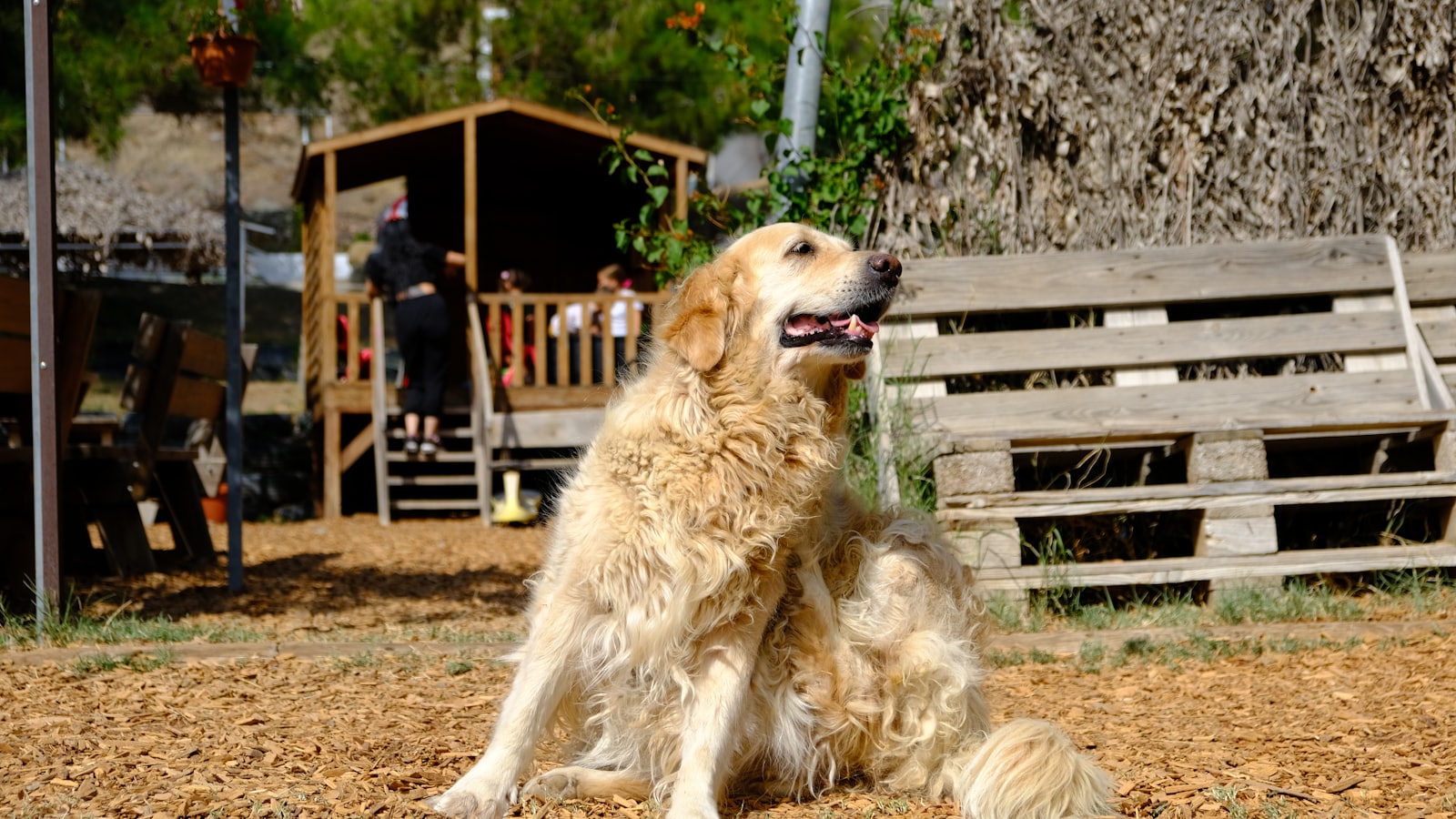
Your dog won't stop — licking their paws raw, rubbing their face on the carpet, another ear infection, that constant scratch-scratch-scratch that drives you both up the wall. Allergies are behind an enormous share of this misery, and the first fork in the road is figuring out the type: is it something in the environment or something in the bowl? They look almost identical on the skin, but they're managed differently — and knowing which clues point where turns a frustrating guessing game into a plan you build with your vet.
In dogs, allergies rarely show up as sneezes. They show up as itch — and the itch is a clue, not the whole story.
📋 Quick Read
- Dog allergies mostly show up on the skin: itchy paws, face, ears, belly, and armpits, plus recurring ear or skin infections — not the runny nose we picture.
- Timing is the biggest clue: environmental (atopic) allergies often flare seasonally, while food allergies are typically year-round.
- You can't diagnose the type at home — a food allergy is confirmed by a vet-guided elimination diet, and environmental allergies through your vet. Your job is to gather the clues.
Allergies wear a skin costume
Forget the human picture of sneezing and watery eyes. In dogs, allergies overwhelmingly show up as itchy skin: licking or chewing the paws, rubbing the face, scratching the belly, armpits, and groin, and recurring ear or skin infections that keep coming back. The most affected spots are the feet, face, ears, front legs, and belly. If your dog is caught in a cycle of itching and infections, allergies are one of the first things to investigate with your vet.
Timing is your biggest clue
Here's the most practical distinction. Environmental allergies (atopic dermatitis) are reactions to pollens, molds, mildew, and dust mites — and because many of those are seasonal, the itch often flares in spring or summer and eases in winter (though molds and dust mites can drive year-round symptoms too). Food allergies, by contrast, are typically non-seasonal: the itch, the paw-licking, and the chronic ear infections grind on all year regardless of the calendar. A year-round pattern, especially with tummy troubles alongside the itch, raises the odds of a food component.
Confirm the cause with your vet — then manage it
Because the two types look so similar on the skin, diagnosis belongs with your vet: food allergies are confirmed with a strict elimination diet (the gold standard), and environmental allergies through history and testing. From there, management is realistic, not a cure — controlling flares, treating the secondary infections, and reducing exposure or adjusting the diet. Bring your vet a clear history of when and where your dog itches, and you dramatically speed up getting to the right plan. The clue-counter below is a great thing to fill in before your visit.
🚨 Call Your Vet ASAP If…
- Sudden facial swelling, hives, or intense itching after a bite, sting, vaccine, or new food
- Any difficulty breathing, collapse, or repeated vomiting — treat as an emergency
- Skin that's raw, bleeding, or clearly infected from scratching
- Itching severe enough to disrupt sleep, or that keeps returning despite care — see your vet
This article is for education — it isn't a substitute for veterinary care.
- Itchy skin — licking paws, rubbing the face, scratching belly/armpits
- Recurring ear infections
- Flares in spring or summer (a seasonal pattern)
- Itchy year-round with no seasonal pattern
- Chronic paw-licking or repeated skin/ear yeast infections
- Tummy trouble (loose stool, gas) alongside the itch
🗓 This Week's Plan
- Days 1–2: Note where your dog itches and whether it's seasonal or year-round — fill in the clue-counter.
- Days 3–4: Book a vet visit for a dog stuck in an itch-and-infection cycle, and bring your notes.
- Days 5–7: Follow your vet's plan (elimination diet or environmental management) exactly — no off-script food swaps.
Start an Allergy log in Pak Social
Log each itch flare — when, where, and what changed. Over a season you'll see the pattern, and give your vet the history that pins down food vs. environmental.
Get Pak Social — Free ➡️ Up nextSpring and Seasonal Allergies in Dogs5 min read›