Why Is My Dog Limping? A Decision Guide
Think through a limp calmly — what to check at home, and the signs that mean call the vet now.
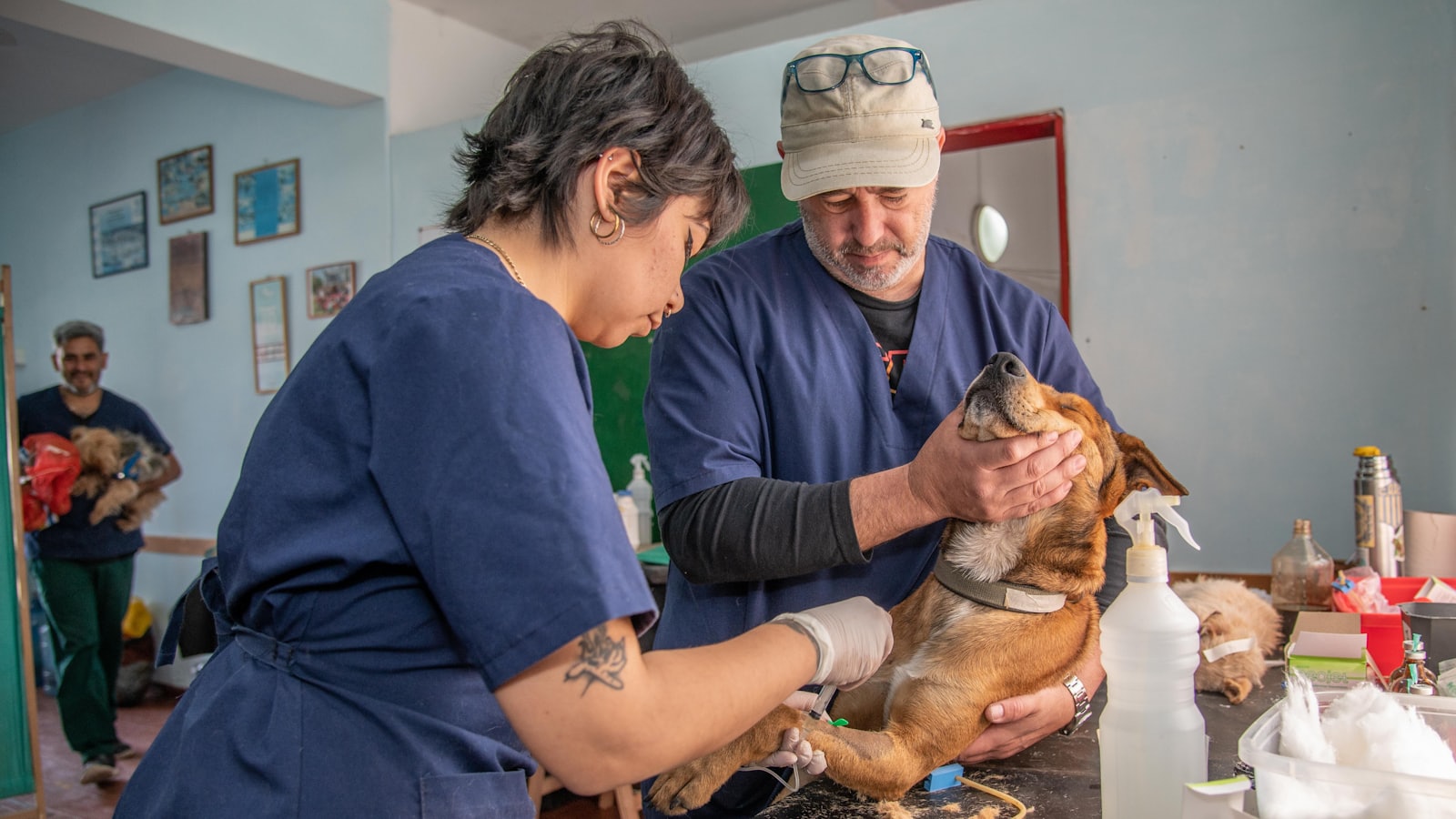
Your dog hops off the couch and there it is — a skip in their step, a paw barely touching down. Your stomach drops. Is this a "wait and watch" or a "get in the car" moment? You don't need to diagnose it — that's your vet's job — but you can observe carefully and make a calm, informed call.
You don't need to diagnose the limp. You need to observe it — and know when to act.
📋 Quick Read
- Limps come in two flavors: sudden (often an injury) and gradual (often something chronic like arthritis). Which one changes how urgently you act.
- Nonstop paw-licking is a classic tell that something — a thorn, foxtail, torn nail, or cut pad — is stuck or sore in the foot.
- A limp that's severe, or lasts more than a day or two, warrants a vet visit — and some limps are emergencies.
Step 1 — Sudden or gradual?
This is the most useful question you can ask. Sudden lameness usually follows trauma — a broken nail, a sprain, a joint injury, or a fracture. Gradual lameness often points to something building over time, like osteoarthritis or dysplasia. Knowing which bucket you're in helps you judge urgency and describe it to your vet.
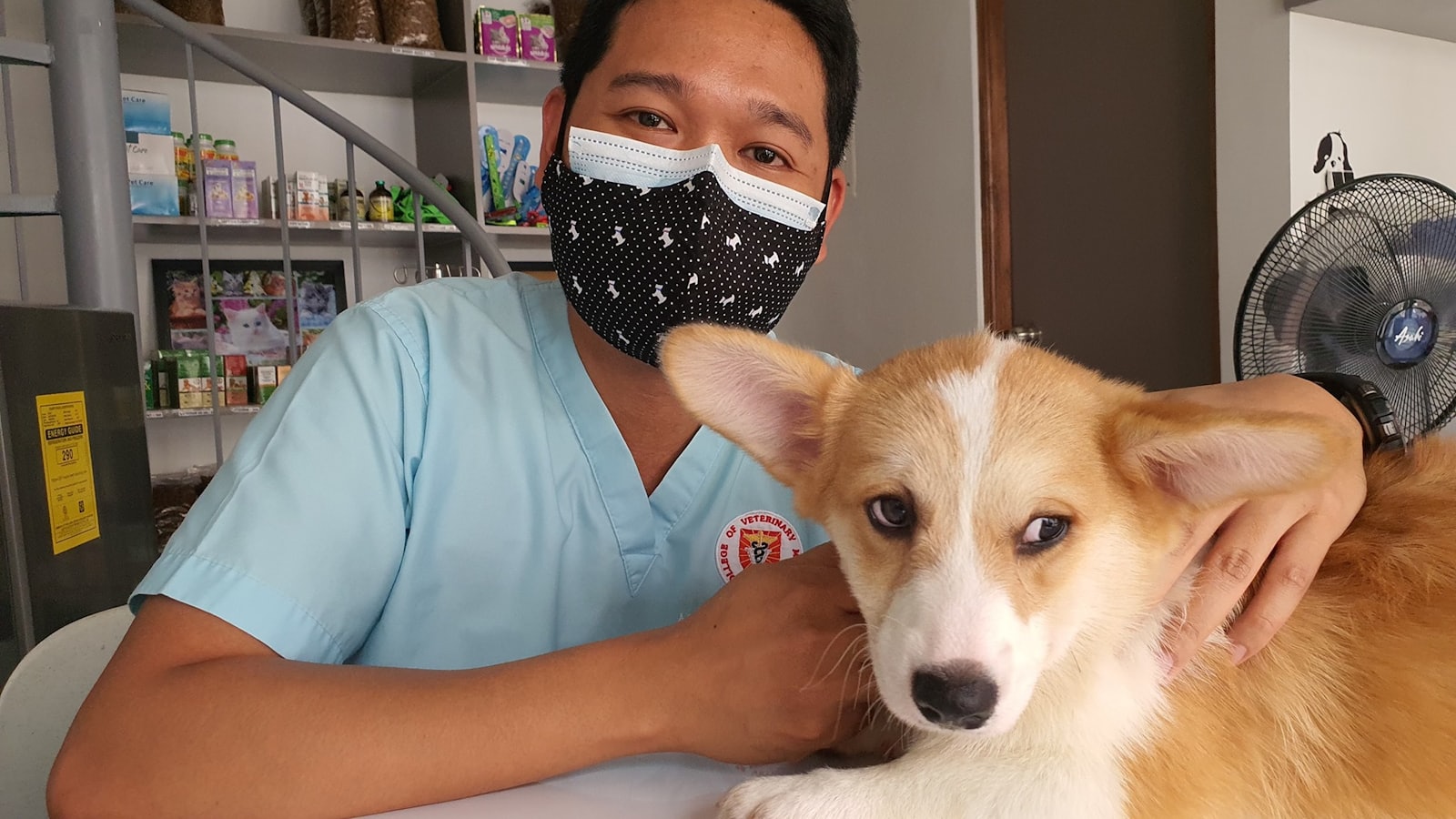
Step 2 — Look, don't poke
Notice which leg, when it's worst (first thing in the morning, after rest, after exercise), and whether your dog bears any weight. Gently check the paw for an obvious culprit — a torn nail, a cut pad, or something wedged between the toes. Beyond a calm look, skip the home prodding; pressing on an injury hurts and tells you little.
Step 3 — Decide: watch briefly, or call
For a very mild limp that resolves within a few minutes, a short rest-and-watch is reasonable. But the safe default is to call your vet for any limp lasting more than a few minutes — and not to wait at all if it's lasted a day or two, or the pain seems severe, sudden, or worsening.
🚨 Call Your Vet ASAP If…
- Your dog won't bear any weight, or the limb looks swollen, dangling, or misshapen
- Obvious pain — yelping, guarding the leg, or trembling and unable to settle
- The limp follows a fall or car accident, or came on suddenly and severely
- You also notice dragging paws, weakness, or loss of coordination
This article is for education — it isn't a substitute for veterinary care.
🗓 This Week's Plan
- Right now: run Steps 1–3. If anything in the vet box fits, call your vet or ER and skip the rest.
- Days 1–2 (mild, improving): rest and leash-only potty breaks; film a 20-second gait clip morning and evening.
- Days 3–7: if it isn't clearly resolving — or it keeps returning — book the vet and bring your videos and notes.
Start a Health Journal in Pak Social
Log the limp, attach a gait video, and track First-Step Stiffness day to day. You'll spot a worsening trend early — and walk into the vet with exactly what they need.
Get Pak Social — Free ➡️ Up nextSenior Dog Care: What Changes After 73 min read›