Spring and Seasonal Allergies in Dogs
Dogs don't get hay fever the way we do. They get it through their skin — and the owners who spot the pattern early save their dogs a miserable season.
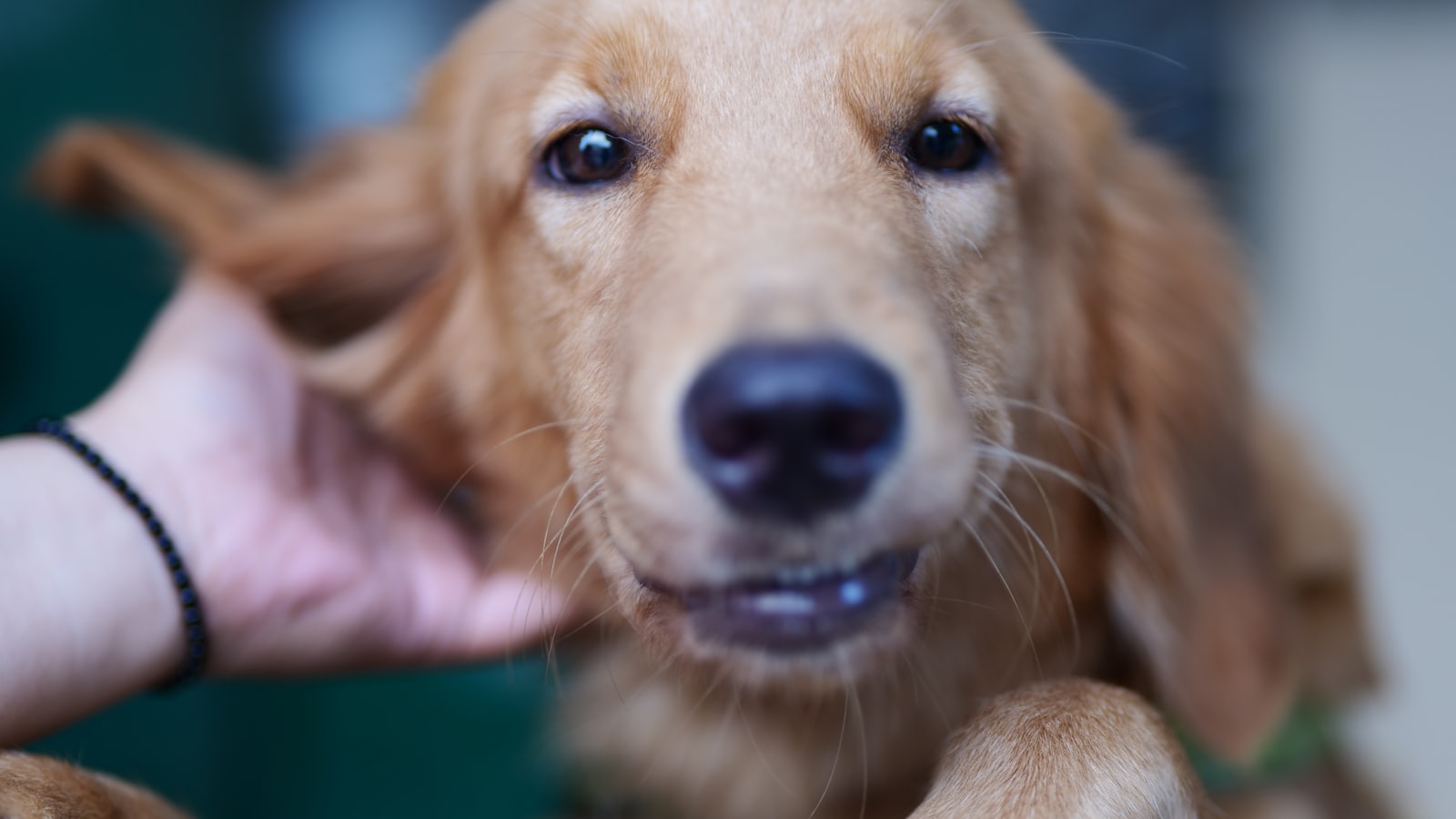
The first warm week of spring, the walks get longer and everything blooms — and that night your dog is chewing their paws like corn on the cob. By week two they're rubbing their face on the rug and you're lying awake listening to lick, lick, lick. It's not a quirk, and it's not fleas (though your vet will ask). For a lot of dogs, this is what a pollen allergy looks like.
In dogs, hay fever doesn't run through the nose. It runs through the skin.
📋 Quick Read
- Dogs usually show pollen and environmental allergies as itchy skin, paws, ears, and face — not sneezing. That's why so many owners miss the connection.
- The calendar is your best diagnostic clue: itching that flares the same months each year points environmental, while year-round itching points elsewhere.
- A simple two-week itch log — where, when, how bad — is one of the most useful things you can hand your vet, and it beats a vague "he's been itchy lately."
Hay fever, dog edition
When people picture allergies they picture sneezing, so an itchy dog doesn't ring the allergy bell. But in dogs, environmental allergies mostly show up on the body: chewed or licked paws (sometimes stained pink from saliva), an itchy belly and armpits after lying in grass, face rubbing along furniture, recurring ear infections, and scratching that seems to have no flea to blame. Some dogs add watery eyes or the occasional sneeze — but skin is the main stage.
The calendar is your best diagnostic clue
Environmental allergies tend to follow seasons — tree pollen in spring, grasses in summer, weeds and molds into fall. Itching that reliably flares the same months each year, then eases, points that direction. Itching that never really stops is a different conversation (food and flea allergies don't follow the pollen calendar). Your vet will also want to rule out fleas first, because flea allergy is common, miserable, and fixable — and because one flea bite can keep an allergic dog itching for days.
Here's the pattern most owners miss: the first spring is usually mild enough to shrug off — "he's just itchy this week." Allergies also tend to intensify with repeated exposure, so the second spring is often when it clicks. If you're reading this in your dog's first itchy April, you're early — that's an advantage. Start the log now.
Break the loop at home (without playing pharmacist)
You can lower the allergen load without a single prescription: a quick paw rinse or pet-safe wipe-down after grassy walks, walking earlier or later than peak-pollen midday hours, washing bedding weekly in hot water, and keeping your dog inside while the lawn is being mowed. None of this cures an allergy — it reduces how much pollen rides indoors on your dog's coat and paws, which for mild cases can take the edge off the season.
What not to do: raid the medicine cabinet. Human allergy meds are dosed for humans, some formulations contain ingredients that are dangerous for dogs, and the right choice depends on what's actually going on. If home management isn't cutting it, that's the signal to bring your log to the vet — not to guess.
What your vet brings to the fight
If the itching is more than mild or comes back every year, a vet visit is worth it — chronic itch is genuinely hard on a dog's quality of life, and modern veterinary medicine has good options. Expect a methodical process: confirming flea control, checking for skin and ear infections that ride along with allergies, discussing the timeline you logged, and possibly talking through allergy testing or diet trials if the picture is mixed. There are effective prescription treatments for allergic itch; which one fits your dog is exactly the conversation your two-week log makes smarter.
🚨 Call Your Vet ASAP If…
- Sudden swelling of the face, muzzle, or eyes, or widespread hives — especially after an insect sting
- Intense scratching with distress that comes on suddenly and won't let your dog settle
- Skin that's broken, bleeding, oozing, or smells bad — or ears that are red, painful, or smelly
- Itching alongside lethargy, appetite loss, or vomiting
This article is for education — it isn't a substitute for veterinary care.
- When the itching started (and whether it happened last year)
- Where on the body: paws, belly, ears, face
- Two weeks of flare days logged with intensity
- Photos of any skin or ear changes
- Current foods, treats, and chews listed
- Flea prevention confirmed current
- What seems to make it better or worse
🗓 This Week's Plan
- Days 1–2: Start the itch log — every episode, body part, intensity 1–5. Add a quick paw rinse after grassy walks.
- Days 3–4: Wash bedding hot, check flea prevention is current, and shift walks away from midday pollen peaks.
- Days 5–7: Review the log. Photos of any red spots or ears. If the pattern is building — or the itch is winning — book the vet and bring the log.
Start the Itch Watch in Pak Social
Log two weeks of itch entries with photos. Whether it turns out to be pollen, fleas, or food, the pattern you capture is the shortcut to the right answer.
Get Pak Social — Free ➡️ Up nextFlea Control That Actually Works4 min read›