Crate Training an Adult or Rescue Dog
Adult dogs can absolutely learn to love a crate — but the ones with history need the slow lane, and the ones with panic need a different road entirely.
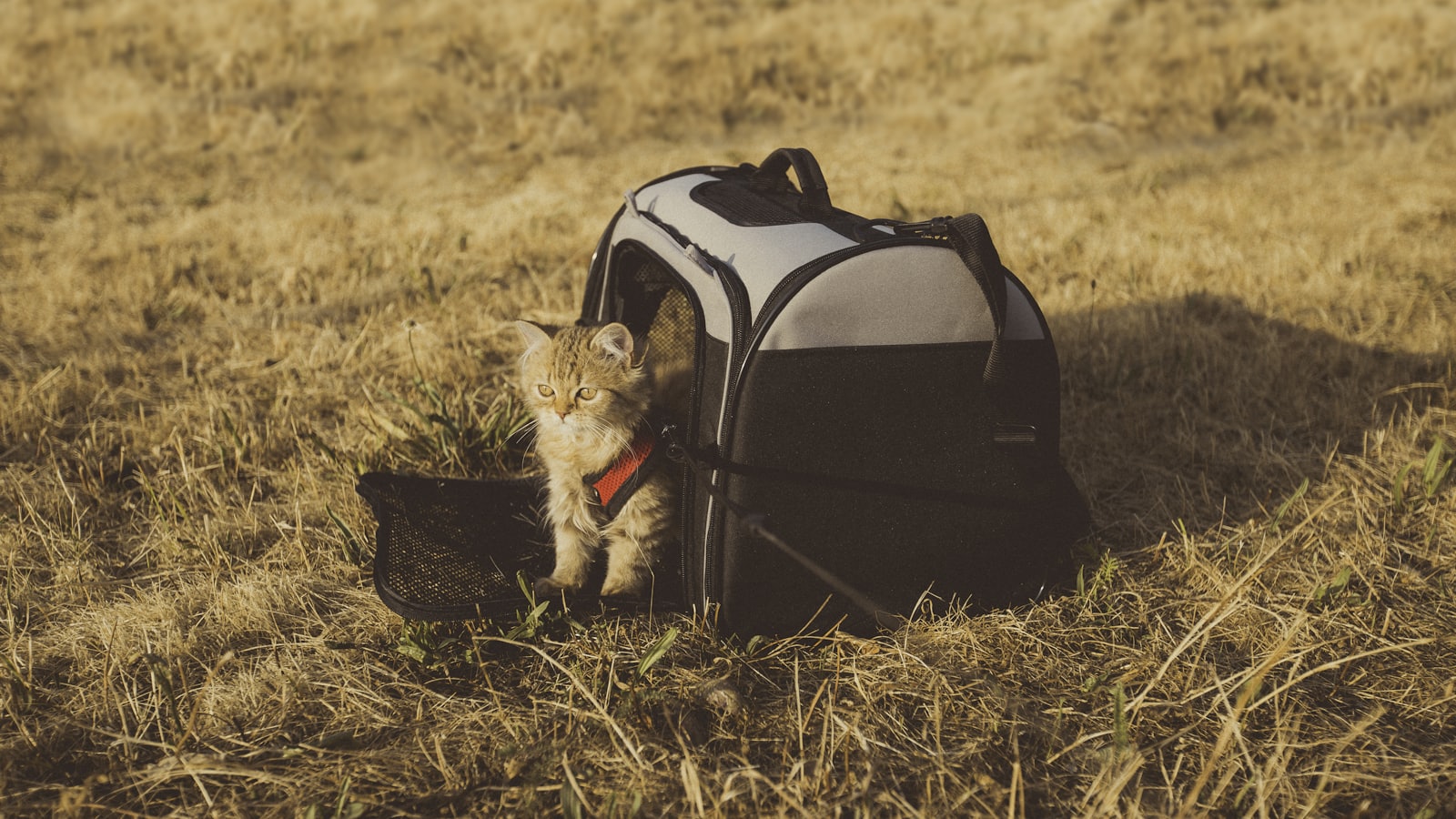
The shelter says he's crate trained. The crate says otherwise: flattened ears at the sight of it, or worse — the drool-soaked, bar-bent evidence of genuine panic when you tried. Crating an adult dog isn't puppy crate training with a bigger box. You're not writing on a blank page; you're writing over someone else's chapter, and the first job is finding out what that chapter said.
With a rescue and a crate, you're not teaching — you're renegotiating. And the dog holds veto power.
📋 Quick Read
- History decides the pace: a crate-neutral adult trains like a slow puppy; a crate-averse one needs weeks of pressure-free re-association; a crate-panicked one may need the crate shelved and a vet-behavior conversation instead.
- The renegotiation runs on choice: door off or pinned open for weeks, meals migrating closer then inside, zero shutting until the dog is voluntarily napping there.
- Know the difference between fussing and panic: whining that settles is training data; drooling, self-injury, or frantic escape efforts are confinement distress — stop crating and get help, because repetition makes it worse.
- Stalls are votes, not verdicts — treats-but-no-entry, eat-and-exit, a sudden cold streak — and each is answered by finding the withdrawal, backing up a rung, and re-funding it.
What you need
The slow lane travels light. A crate with the door removed or pinned wide — for weeks, the door is scenery. Genuinely high-value treats, because you're outbidding history, not habit. A special chew that exists only at the crate, bedding better than the dog's current favorite spot, and a pen or baby gates, so that real-life confinement needs never touch the crate mid-renegotiation. Add a log for the daily votes, and subtract the one thing most training plans include: a deadline.
Read the history first
Run a no-stakes assessment: crate staged in the living room, door removed or pinned wide, great treats tossed near — not in — it, and you doing absolutely nothing else. Watch: a dog who investigates, enters, maybe lies down is crate-neutral (proceed on the standard playbook, slower). A dog who arcs around it, won't approach, or leaves the room has a negative chapter (the slow lane below). A dog who trembles or panics at mere proximity has trauma — skip the project for now, use pens and gates for management, and put it on the vet-behavior agenda. The 3-3-3 lesson's decompression rules apply doubly: a rescue in week one shouldn't be assessed on anything, let alone confinement.
The slow lane
For the wary adult: weeks one and two, the crate is furniture that dispenses value — treats appearing near it 'randomly,' then at the threshold, then just inside; meals migrating the same route; the special chew that exists only in its doorway. No cue, no encouragement, no watching hopefully (dogs read surveillance). Weeks two to four: value moves deeper — chews at the back, bedding upgraded, meals fully inside — while the door stays pinned. The milestone that unlocks door work is the voluntary nap: a dog who chooses the crate for sleep has signed the new chapter. Then and only then: door games from the puppy playbook, at half speed — closed during meals, opened before finishing; one minute seated beside; the gradual build. Skipping to the door because week three 'seems fine' is how week one starts over.
What earns each rung
The renegotiation climbs a ladder of votes, and each rung is earned, never scheduled. Relaxed approach earns treats at the threshold. Easy threshold snacking earns value just inside, then deeper. Meals fully inside, eaten loose-bodied, earn the upgraded bedding and the long-duration chews. And then the ladder pauses — sometimes for weeks — at the rung that matters: the Voluntary Nap, the milestone that unlocks door work, the one vote that can't be lured, cued, or hurried.
After the nap is banked, door work runs the puppy playbook at half speed: door closed during meals and opened before finishing, then a quiet minute with you seated beside, then the gradual build. The hold rule is one sentence long — any new reluctance, any hyper-vigilance, any entering-only-for-food pattern means the history just voted against the pace, so back up one rung and re-fund it. You lose days doing that. You lose weeks not doing it.
When the renegotiation stalls
Stalls in this project are information about the old chapter, and they cluster into a few readable patterns.
Takes every treat near the crate, never sets a paw inside. The threshold is the negotiation table, and the dog is still reading the fine print. Park the value at the line for as many days as it takes, upgrade what's inside, and deliver treats on the walk-by rather than the hopeful hover. This rung regularly takes the longest and predicts nothing about the rest.
Eats inside, exits immediately. The food argument is winning; the history still holds a few votes. That's mid-journey, not stuck — keep the pressure-free deposits flowing and let time-inside grow on its own. The chosen nap arrives on the dog's ledger, not yours.
Real progress, then a sudden cold streak. Something spent the account. Audit the week for the withdrawal: a door that clicked shut behind them, a collar grab in the doorway, a thunderstorm that broke while they were inside, a vacuum parked one foot away. Find it, remove it, drop back a rung, and re-fund — cold streaks thaw at exactly the speed the deposits return.
Comfortable with you home, unraveling when you leave. The crate may not be the variable — being alone may be. Test the same absence with the pen or a gated room; if alone is hard everywhere, you're in the alone-time lessons' territory, and no amount of crate renegotiation fixes a separation problem.
Whining at the one-minute door hold. Run the line from the next section first. If it's protest — fussing that settles, dry chin, intact crate — the pace outran the history: back up one stage and rebuild. If anything on the panic list appears, the project changes entirely, and the next section is the one that matters.
Panic is a different problem
Learn the line, because it changes everything. Protest: whining, some pawing, settling within minutes, intact crate, dry chin — that's a dog negotiating, and calm persistence (plus never opening for noise) trains through it. Panic: heavy drooling, relentless digging or bar-chewing, bent wire, bloodied paws or nose, escape attempts that risk injury, or a dog who exits shaking — that's confinement distress, often entangled with separation anxiety (check the alone-time lessons), and more crate exposure makes it worse, not better. The move is immediate: stop crating, manage with a gated room or pen your dog tolerates, and bring your vet (and ideally a veterinary behaviorist or credentialed behavior consultant) into the plan — medication-supported protocols exist and work. Plenty of wonderful dogs live full lives crate-free; the crate was always a tool, never the goal.
Life after the signature
A crate-neutral adult, remember, skips most of this drama — the standard playbook run slower, often two to four weeks end to end. For the dog who needed the full renegotiation, the finish line looks the same: a crate that travels to hotel rooms and vet stays, shelters a dog through fireworks and houseguests, and holds an afternoon nap nobody asked for.
Protect the signature the way you earned it. The chews keep appearing in the crate, the door stays open by default, and the crate never again becomes storage — the plumber's visit goes to the pen, forever, because that's what the pen is for. Re-read the votes after any big disruption, a move especially, and expect to re-fund a rung or two rather than restart the book. And if the renegotiation never fully closes, keep the panic section's quietest truth in reach: a crate-free life is a full life, and the box was only ever a tool.
- Approaches and enters the open crate for treats
- Eats meals inside without bolting after
- Has napped inside voluntarily, door open
- Exits calm — no shaking, no drool
- No history of bent bars, broken teeth, or escape injuries
- Whining (if any) settles within minutes
🗓 This Week's Plan
- Days 1–3: The no-stakes assessment — door pinned, treats near, you disinterested. Log the votes.
- Days 4–6: Start the value migration (treats to threshold, meals toward the crate) at your dog's lane speed.
- Day 7: Review the trend. Neutral dogs may start door-during-meals; wary dogs keep funding; any panic signs route to the vet conversation.
Start the renegotiation in Pak Social
Door off, treats near, no agenda — that's week one. The chapter someone else wrote isn't erased in a day, but it's outvoted one good nap at a time.
Get Pak Social — Free ➡️ Up nextSolving Crate Whining6 min read›