Your Dog's Poop: A No-Panic Guide to What's Normal
Nobody warns you how much of dog ownership is conducted bag-in-hand, squinting. Here's how to read what you're looking at — calmly.
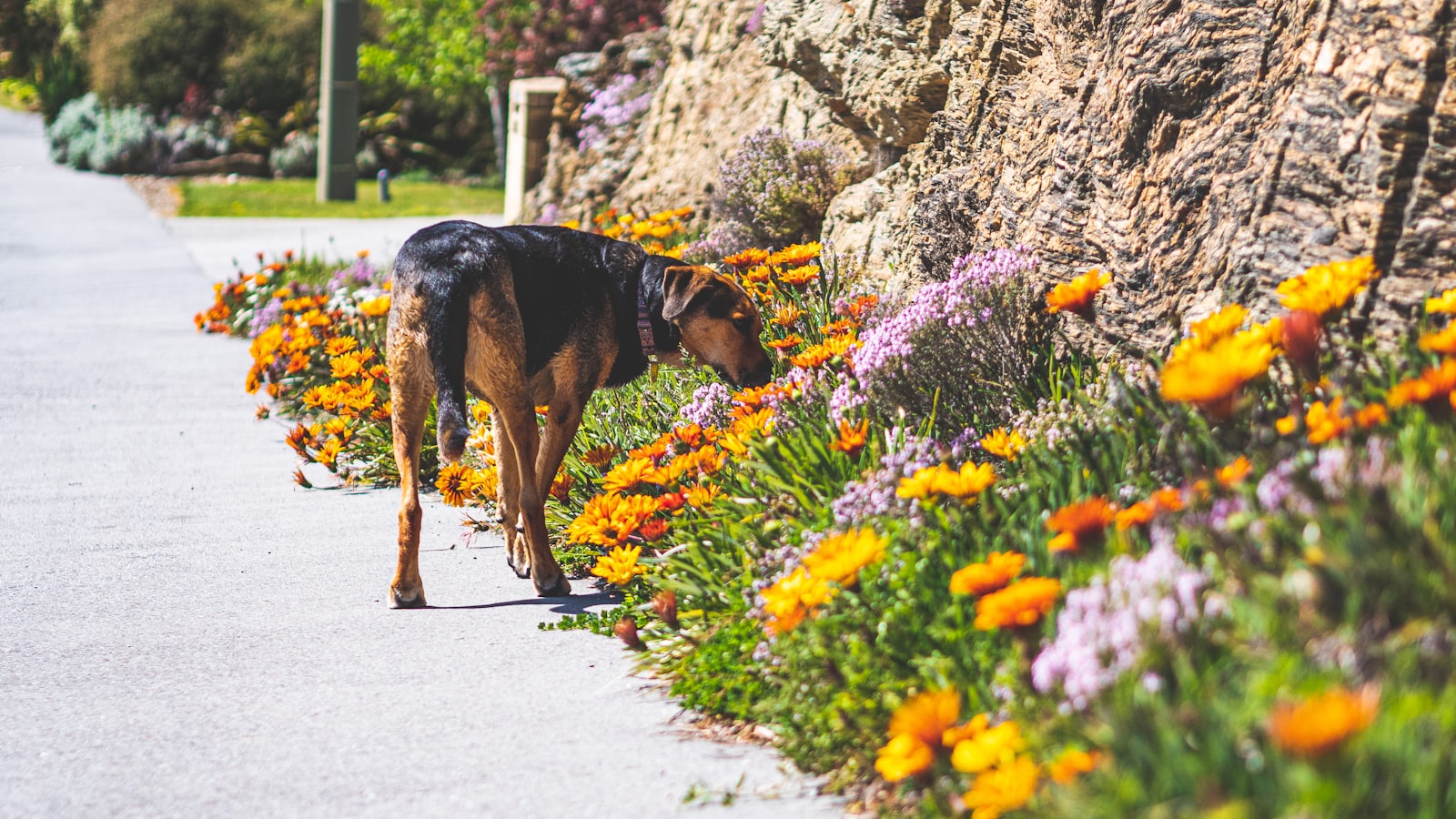
It's 6:40 a.m., you're in slippers, and you're using your phone flashlight to examine something in the grass like a crime-scene tech. Every dog owner has been there. The good news: your dog's poop really is a daily health report, and once you know the handful of things worth noticing — and the one or two that mean call the vet today — you can retire the panic-Googling for good.
Your dog can't tell you how their gut feels. Their poop does it for them — every single day.
📋 Quick Read
- Vets read stool on four C's — color, consistency, coating, and contents — and "normal" is a range: chocolate-brown, formed, log-shaped, holds together when picked up.
- One weird poop after a scavenged snack usually isn't an emergency. The signal is the pattern: changes that persist past a day or two, or come with a dog who's off.
- Two colors skip the wait-and-see rule entirely: black and tarry, or more than a streak of red. Those are same-day vet calls.
The 4 C's (yes, vets really use these)
Color: chocolate-brown is the home base, with normal variation from food. Consistency: formed and log-shaped — firm enough to pick up cleanly, not rock-hard pellets, not pudding. Coating: none; a film of mucus is the gut's sign of irritation worth watching. Contents: nothing recognizable — persistent white rice-like specks (a classic tapeworm sign), lots of grass, or chunks of whatever got raided from the trash are all information. You don't need a lab coat. You need ten seconds of attention before the bag closes.

The color guide, no-panic edition
Shades of brown: normal range. Greenish: often a grass-eating enthusiast or fast transit; worth watching if it persists. Orange or yellow: can mean food moved through quickly — a day of it after a diet change is common, but persistent yellow-orange is worth a vet conversation. Chalky white or gray: uncommon and worth a call, since it can relate to digestion of fat or bile issues. White specks that move: parasites — not an emergency, but book the vet and bring a sample.
The two that skip the line: black and tarry (which may indicate digested blood from the upper GI tract) and red beyond a streak. A single thin red streak with an otherwise happy dog can come from straining, but more than that — or any black, sticky, coffee-ground look — is a call-today situation, not a wait-and-see one.
When to wait, when to call
For an adult dog who feels fine otherwise, a bout of soft stool or mild diarrhea often settles within a day or two — many vets suggest seeking care if it hasn't resolved in 48–72 hours, or sooner if anything else looks off. Puppies get a stricter rule: they dehydrate fast, so diarrhea in a young puppy is a same-day call, not a weekend experiment. And any diarrhea plus vomiting, lethargy, appetite loss, or known scavenging of something dodgy moves the timeline up.
Here's the pattern most owners miss: it's rarely the dramatic single event that matters — it's the slow drift. Stool that's been "a bit soft lately" for two weeks, a dog who strains a little more each month. The trends are quiet, which is exactly why a lazy daily log catches what memory can't.
🚨 Call Your Vet ASAP If…
- Black, tarry stool — or red blood that's more than a streak
- Diarrhea lasting beyond 24–48 hours, or any diarrhea in a young puppy
- Diarrhea or stool changes with vomiting, lethargy, appetite loss, or belly pain
- Straining repeatedly without producing anything
This article is for education — it isn't a substitute for veterinary care.
- I know what today's stool looked like
- I know when the change started
- I know if the diet changed in the past week
- I know whether anything was scavenged
- I can describe frequency compared to normal
- I have a photo (yes, really — vets prefer it to a description)
🗓 This Week's Plan
- Days 1–2: Start the daily stool note — one word and a 1–5 firmness score. Learn your dog's baseline.
- Days 3–4: Do a contents-and-coating check once each day; note any mucus, specks, or mystery items.
- Days 5–7: Review the week. If anything's been drifting soft, plan the vet call — and bring the log and a fresh sample.
Run the Baseline Week in Pak Social
Seven days, ten seconds a day. Once you know your dog's normal, you'll never panic-Google a weird poop at 6 a.m. again.
Get Pak Social — Free ➡️ Up nextProbiotics for Dogs: What the Evidence Says4 min read›