Arthritis and Mobility in Older Dogs
The stiffness owners write off as “just getting old” is often treatable pain. Here's how to spot it early and act.
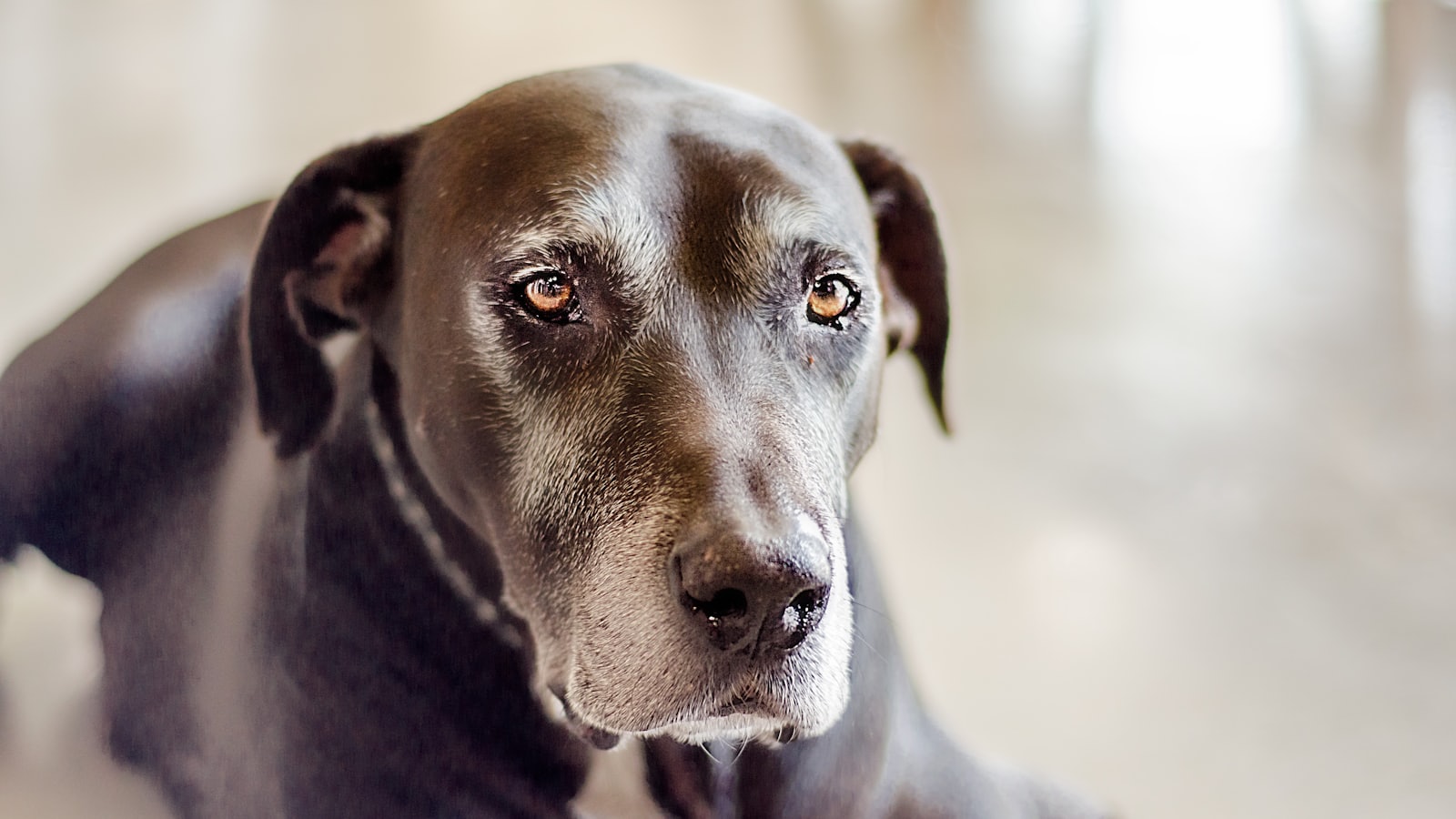
Your dog takes the stairs a little slower now. They think twice before jumping on the couch, take a beat to get up after a nap, and lag on the back half of the walk. It's easy to file all of that under "he's just getting old" — but slowing down like this is often osteoarthritis, and it's painful. The encouraging part: caught early, there's a lot you and your vet can do to keep an older dog comfortable and moving.
Arthritis rarely announces itself. It disguises itself as “just slowing down.”
📋 Quick Read
- Osteoarthritis is common and badly underdiagnosed — it's frequently cited that around 1 in 5 dogs show clinical signs, and owners often miss the early ones.
- The tells are subtle: reluctance on stairs or jumps, slow to rise, lagging on walks, licking a joint, or a new grumpiness about being touched.
- You can't diagnose or treat it at home — but you can track the pattern and bring your vet a clear timeline, which is exactly what leads to earlier, better management.
The signs owners write off as normal aging
Arthritis usually whispers before it shouts. Watch for a dog who's slow or stiff getting up (especially after sleep or a big day), hesitates at stairs or won't jump into the car anymore, lags on the second half of walks, has trouble finding a comfy position, or licks repeatedly at a specific joint. Some dogs get quietly grumpier — a dog in chronic pain may not want to be touched or may snap when a sore spot is bumped. None of these are "just old age"; they're worth a conversation with your vet.
Why catching it early changes the story
Osteoarthritis is one of the most under-recognized conditions in dogs — the AAHA has highlighted how often it goes undiagnosed because owners don't connect subtle behavior changes with joint pain. That matters because early action does more: keeping your dog lean takes enormous load off sore joints, the right kind of controlled exercise maintains muscle that supports them, and your vet has a range of tools to manage pain and slow progression. The earlier the plan starts, the more comfortable your dog stays.
Make home easier while you track the trend
While you get your vet involved, small changes at home buy real comfort: put runners over slick floors so your dog isn't slipping, add a ramp or step where they struggle, give an orthopedic bed, and keep exercise regular and moderate rather than weekend-warrior bursts. Then track what you see. Logging a quick daily "how stiff were the first steps?" turns a vague worry into a clear line your vet can act on.
🚨 Call Your Vet ASAP If…
- Sudden inability to bear weight on a leg, or a limb that looks swollen or misshapen
- Crying out, trembling, or clear signs of significant pain
- A limp that follows a fall or accident, or comes on suddenly and severely
- Dragging paws, weakness, or new loss of coordination
This article is for education — it isn't a substitute for veterinary care.
🗓 This Week's Plan
- Days 1–2: If it's been over 6 months since a checkup — or you're seeing the signs above — book a vet visit and mention the exact changes you've noticed.
- Days 3–4: Do a home comfort pass: runners on slick floors, a supportive bed, and a ramp or step where your dog struggles.
- Days 5–7: Log a morning First-Step Stiffness Score each day and note when stiffness is worst; bring the trend (and a gait video) to your vet.
Start a Mobility Journal in Pak Social
Log a daily First-Step Stiffness Score, track weight, and add the occasional gait video. You'll spot a slow decline early — and give your vet exactly the timeline they need to keep your dog comfortable.
Get Pak Social — Free ➡️ Up nextDog Supplements: What's Worth It4 min read›