Building Independence in a Velcro Dog
If your shadow has four legs, here's how to help a clingy dog feel safe on their own — calmly, without cutting the bond.
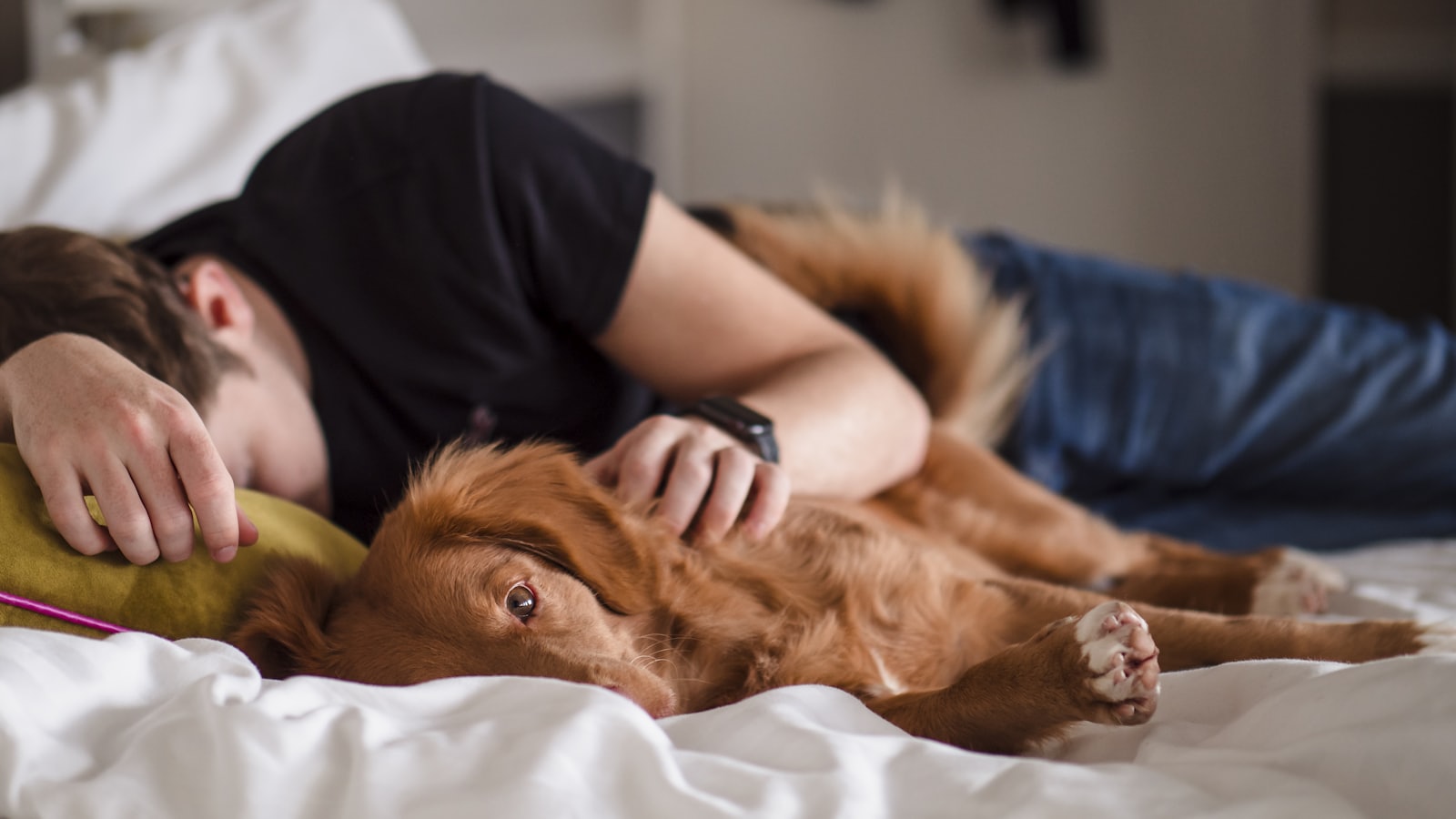
You can't make a cup of coffee without a witness. Your dog follows you to the bathroom, reappears the second you move, and watches your every step like you might vanish. A little devotion is lovely — but a dog who can't relax unless they're touching you isn't more bonded, they're more worried. The good news: independence is a skill you can teach, and teaching it makes your dog calmer, not less attached.
A confident dog can be alone. A velcro dog was quietly taught that being alone is a problem to solve.
📋 Quick Read
- Being clingy (follows you, settles once you're back) is different from separation anxiety (genuine panic when truly alone). This lesson is for the first; real panic needs a bigger plan.
- You build independence in the room with you first — rewarding your dog for settling a few feet away — long before you practice actual departures.
- Undramatic comings and goings teach “me leaving is no big deal.” Big emotional hellos and goodbyes teach the opposite.
First, tell clingy apart from panic
A velcro dog prefers to be near you but copes: they'll settle when you're home, eat, and relax if you're in view. A dog with true separation anxiety comes apart when genuinely alone — pacing, howling, drooling, destruction, or accidents — and the distress starts the moment you leave, not hours in. If that's what you're seeing, independence drills still help, but they sit inside a fuller protocol, often with your vet or a behaviorist involved.
Reward the distance you want to see
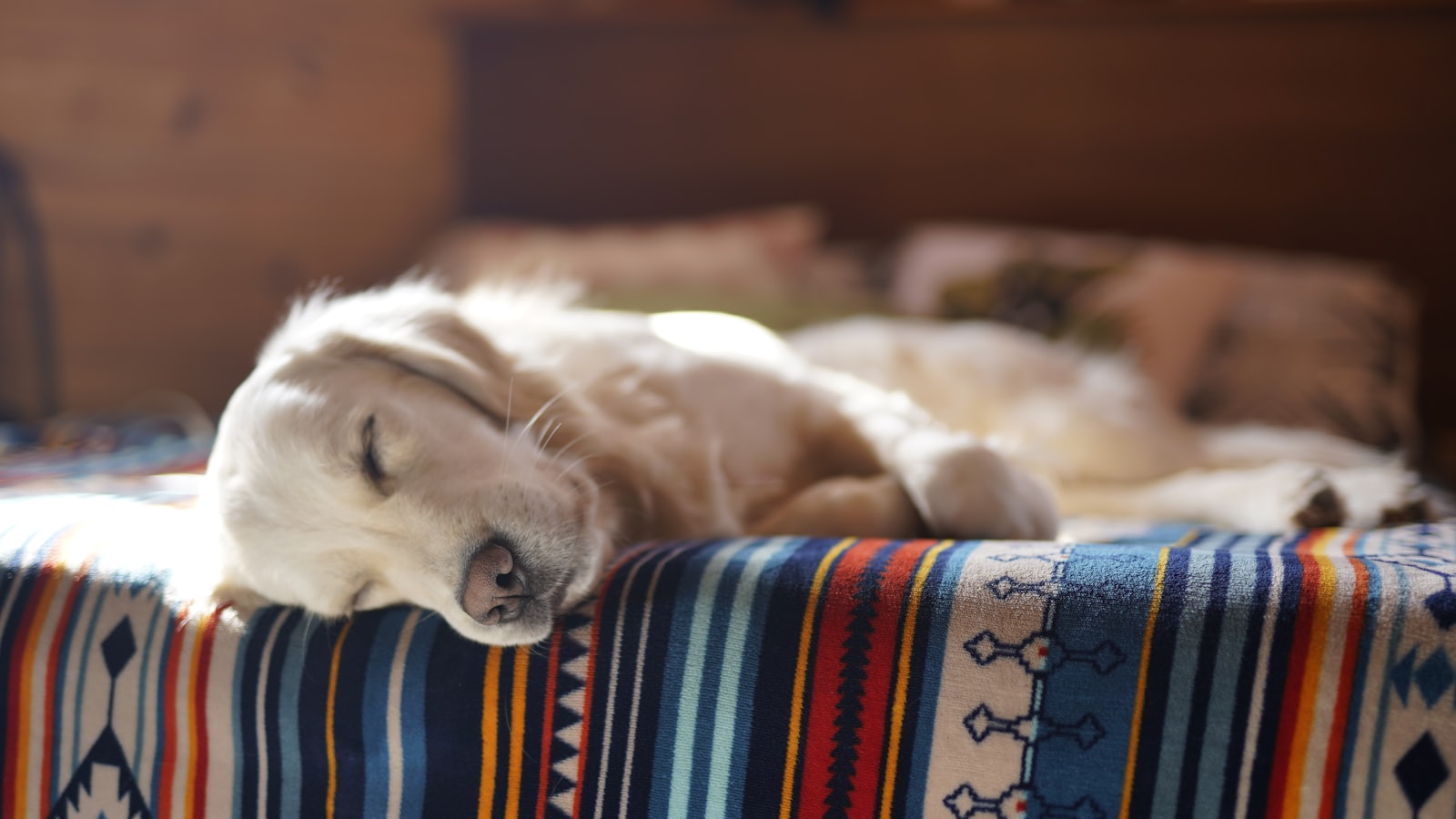
Here's the counterintuitive core: to build independence, start by rewarding your dog for being a little bit apart from you — while you're still right there. Give your dog a comfy "settle spot" (a mat or bed) a few feet away and quietly reinforce them for choosing it: a calm chew, a scattered handful of treats, a soft "good." You're paying for relaxed, unglued behavior so it grows.
Anchor a long-lasting chew or a stuffed, frozen Kong to the spot. A dog happily working a chew across the room is a dog practicing being content without physical contact — the exact muscle you're trying to build.
Make your exits boring
Skip the emotional send-off and the ecstatic reunion. Long, worried goodbyes and over-the-top hellos both tell your dog that your comings and goings are a huge deal worth stressing about. Keep them calm and matter-of-fact. Then start practicing tiny absences on purpose: step behind a door for two seconds and come back before your dog worries, gradually stretching the time only as fast as your dog stays relaxed.
🗓 This Week's Plan
- Days 1–2: Set up a settle spot a few feet away and reward five calm, voluntary settles a day with a chew or scattered treats.
- Days 3–4: Add brief out-of-sight moments — step behind a door for 2–10 seconds and return before your dog worries. Keep hellos and goodbyes boring.
- Days 5–7: Stretch the out-of-sight time only as fast as your dog stays loose, and log each rep's Calm Recovery Score to watch it climb.
Start the Independence-Building Challenge in Pak Social
Log a settle rep a day and rate your dog's Calm Recovery Score. In a week you'll see settle-time growing and recovery speeding up — and know whether you're dealing with simple clinginess or something that needs more support.
Get Pak Social — Free ➡️ Up nextIs It Boredom or True Separation Anxiety?6 min read›