Scatter Feeding: The 5-Minute Enrichment Habit
The simplest enrichment in existence: throw dinner in the grass. Here's why that ridiculous-sounding move calms dogs down — and how to do it right.
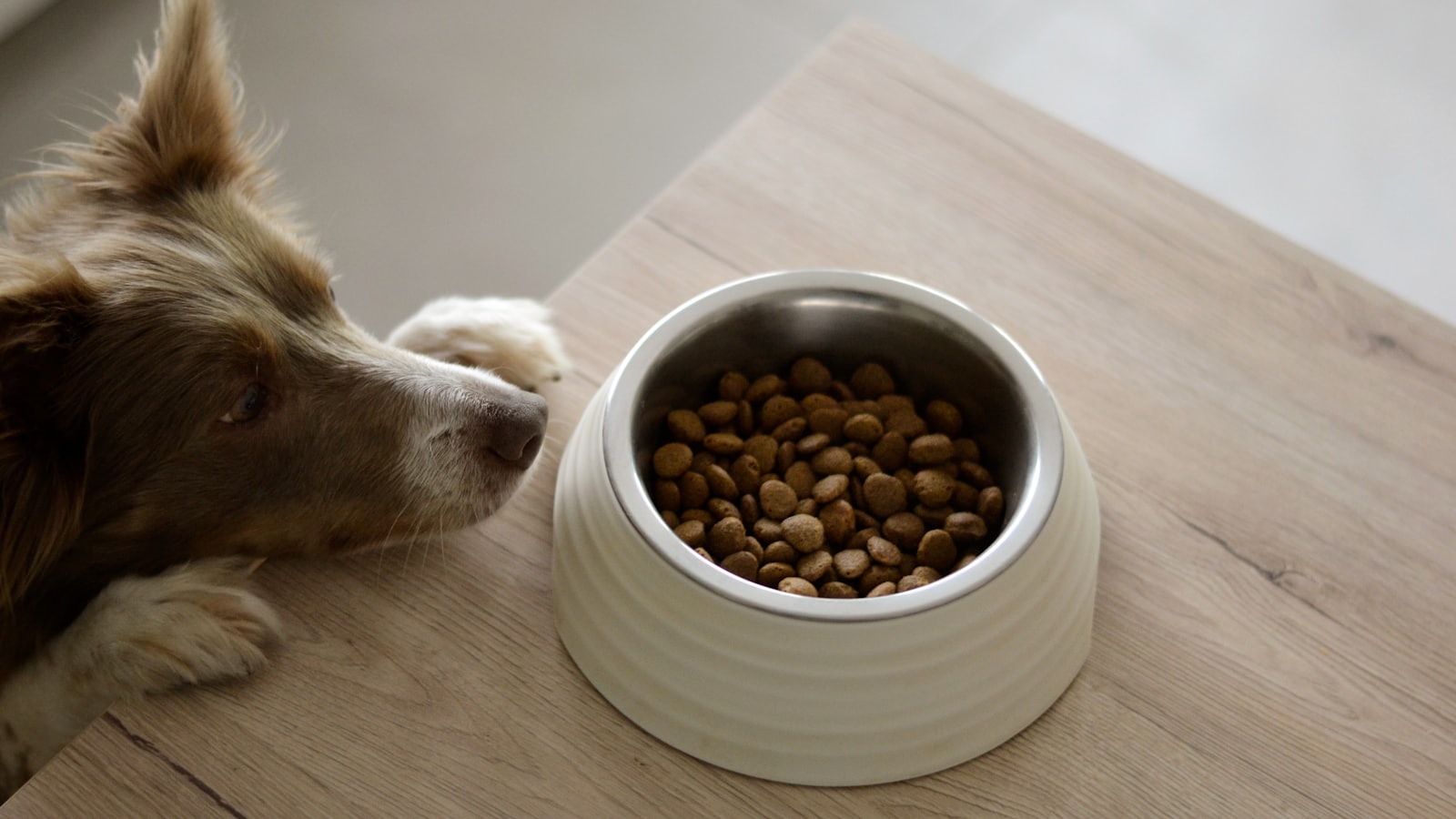
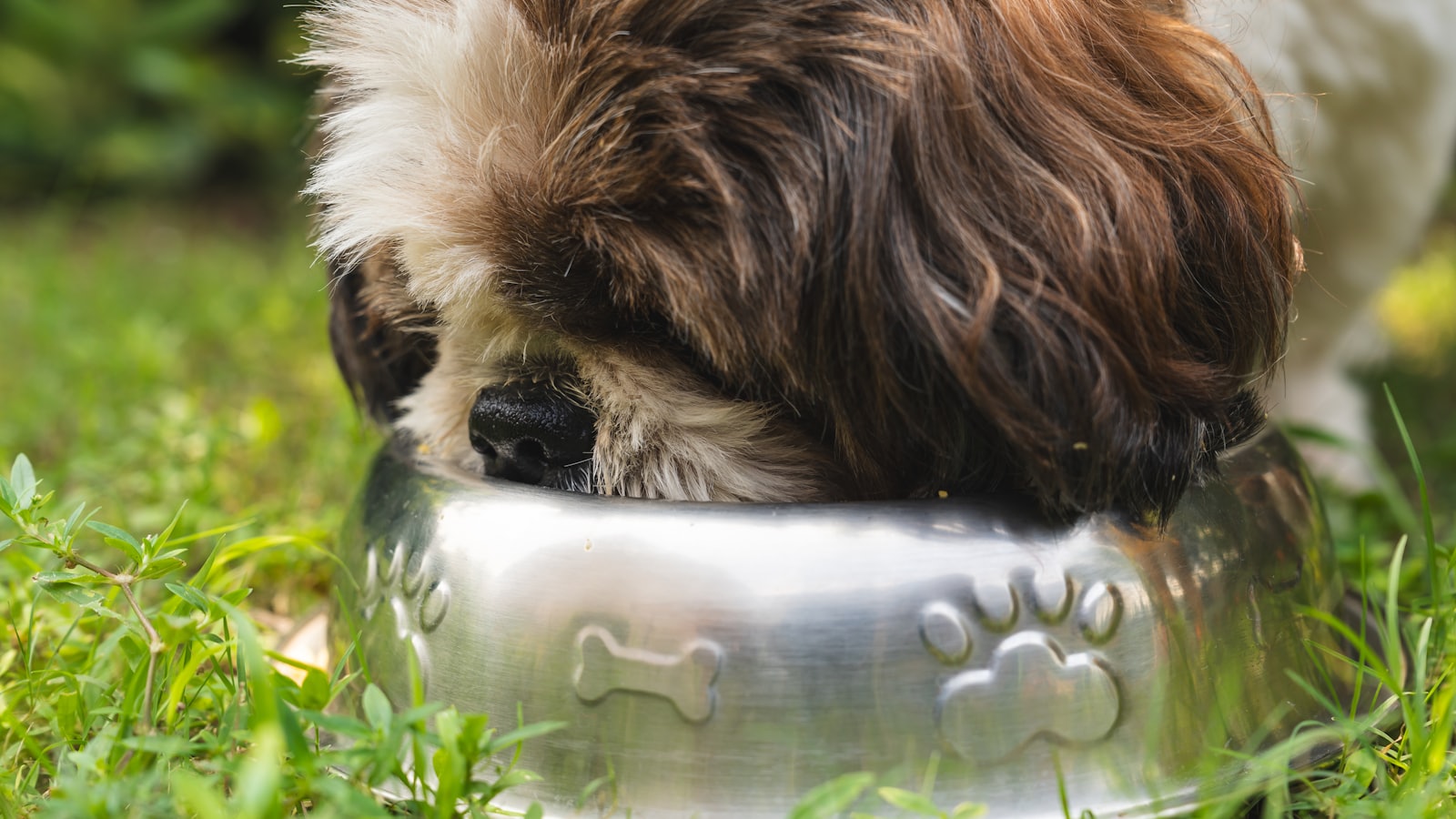
It's 5 p.m. Your dog has inhaled dinner in forty seconds flat and is now doing laps around the coffee table, staring at you like you're the entertainment committee. Here's a trick that feels almost too dumb to work: tomorrow, don't put dinner in the bowl. Scatter it across the lawn — or a snuffle mat, or a rolled-up towel — and watch your rocket-fueled dog become a focused, methodical forager for fifteen minutes, then flop down like they ran five miles.
A bowl empties in a minute. A lawn full of kibble empties a dog's battery.
📋 Quick Read
- Sniffing is a workout: methodical nose-work engages a dog's brain in a way that tires and calms them far beyond the minutes it takes — often more than a fast walk.
- Scatter feeding slows down speed-eaters, turns dinner into a natural foraging session, and needs zero equipment, training, or extra time in your day.
- It's not for every situation: multi-dog households need separation, and dogs on the mend or on strict diets need a quick vet sanity-check first.
Start stupid-simple
Tonight's version: take a handful of your dog's regular kibble, toss it across a small patch of clean grass or floor where your dog can see some of it land, and say your release word. That's it — that's the whole technique. Short grass and hard floors are beginner mode; your dog wins fast and learns the game. No grass? A snuffle mat, a towel with kibble rolled into the folds, or a scattered handful across a bath mat all work. Portion comes out of the normal daily ration — this is dinner relocated, not dinner plus snacks.
Level up the hunt
Once your dog has the idea, difficulty is your dial. Longer grass. Kibble tossed while they wait inside, so they hunt "cold." Multiple small piles in different rooms. A few pieces tucked under the edge of a rug or behind a chair leg. The goal is a hunt that takes ten to twenty minutes of real nose-down work — the slow, sweeping, methodical kind. Rainy day? Indoor scatter across mats and towels is a legitimate substitute for a skipped walk's mental workload.
When scatter feeding is the wrong tool
Multi-dog household? Scatter separately, in different rooms or on a rotation — food spread across the floor is a resource-guarding argument waiting to happen, even between dogs who share toys fine. Skip unwashed public areas and any lawn recently treated with chemicals. Brachycephalic dogs and enthusiastic gravel-eaters need surfaces chosen with care. And if your dog is on a prescription diet, has a history of gut trouble, or inhales non-food items, a thirty-second vet check settles whether floor-feeding fits.
Here's the pattern most owners miss: the dogs who "can't settle in the evening" usually don't need more exercise — they need a different kind. Owners add a second walk and get a fitter dog with the same zoomies. Fifteen minutes of nose-work often does what another hour of cardio can't.
🗓 This Week's Plan
- Days 1–2: Replace one bowl-meal a day with a beginner scatter — short grass or bare floor, easy wins.
- Days 3–4: Add difficulty: longer grass, a second room, or kibble tucked under a rug edge. Aim for 10+ minutes of nose-down time.
- Days 5–7: Run the Zoomie Experiment — scatter before the witching hour and rate the evening's Calm Recovery Score each night.
Run the Zoomie Experiment in Pak Social
Three scatter dinners, three scores. If the evening calm-down is real for your dog, you'll see it on the chart — and dinner just became enrichment, free.
Get Pak Social — Free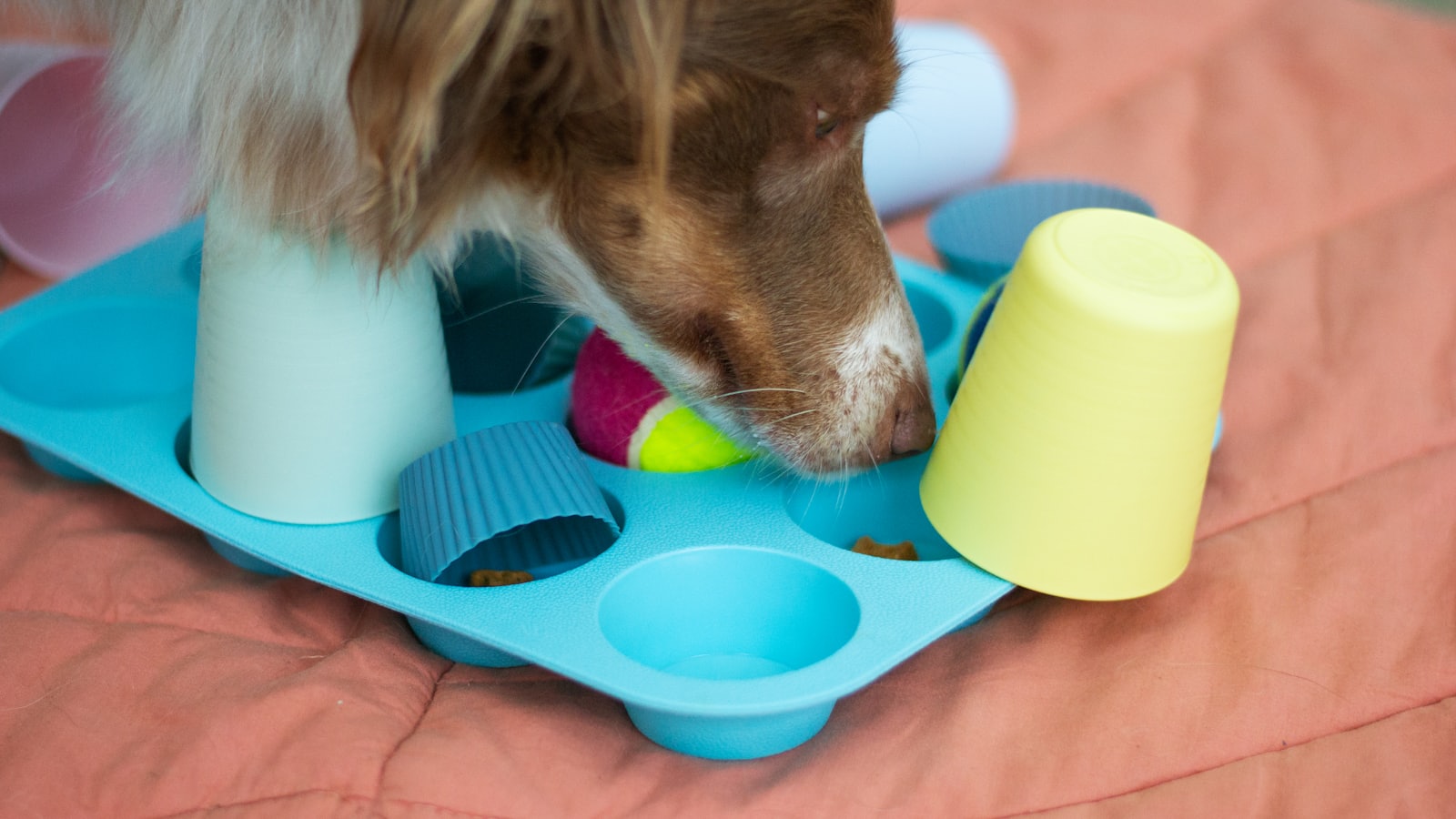 ➡️ Up nextDIY Snuffle Mats and Puzzle Feeders4 min read›