Greeting New People Calmly
Whether your dog launches at guests or hides from them, calm greetings are a skill you can teach — on both ends.
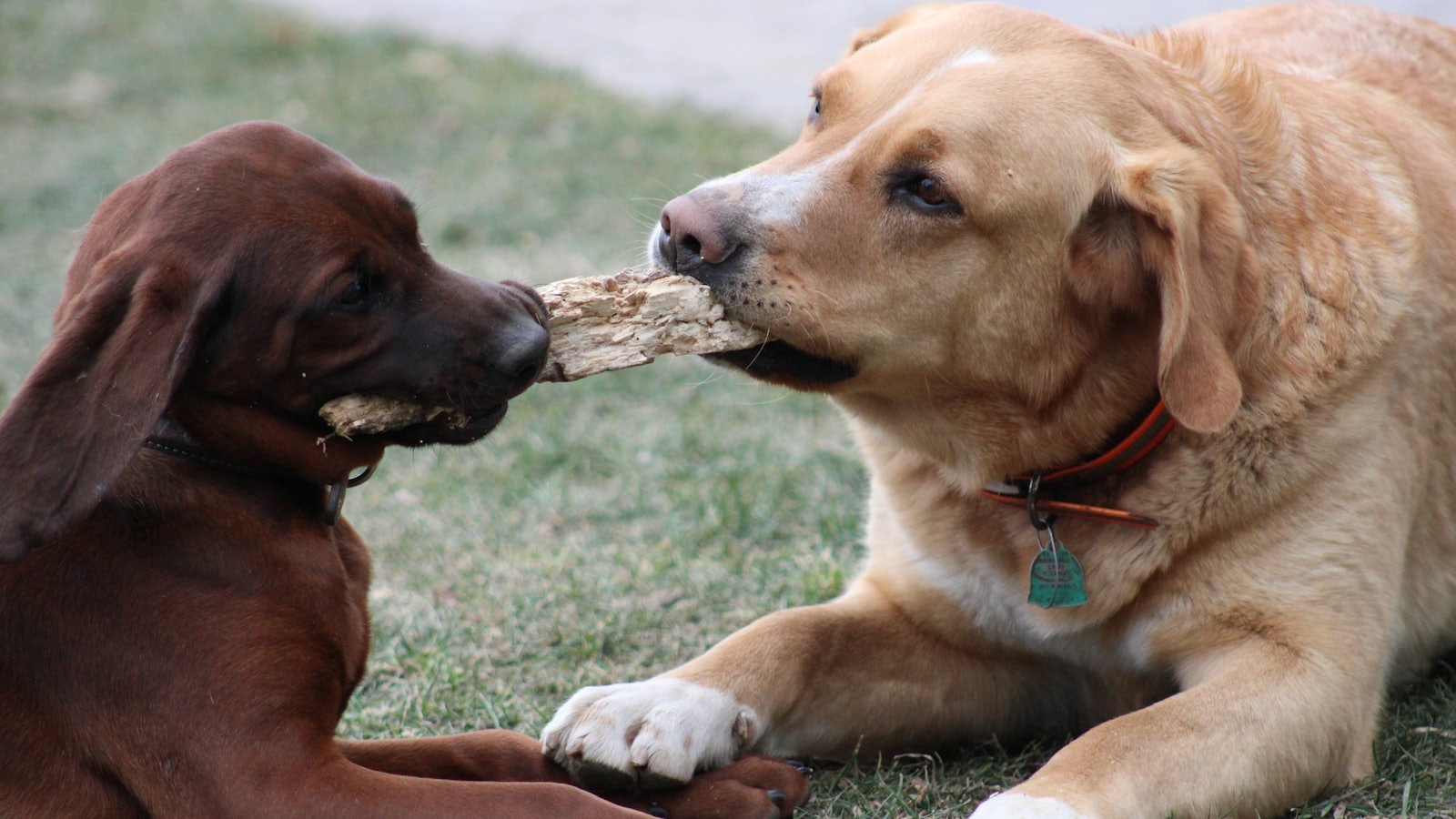
Someone comes to the door and your dog either rockets into a jumping, barking frenzy of joy or shrinks away, unsure and overwhelmed. Both are just a dog who hasn't learned how to greet people calmly — and both get better with the same approach: setting the situation up so calm is easy and rewarded. You can't lecture a dog into polite hellos, but you can teach them, one low-key greeting at a time, until visitors stop being a big emotional event.
Calm greetings aren't about your dog's personality. They're a skill — and skills can be taught.
📋 Quick Read
- Over-the-top greeting (jumping, barking) and fearful greeting (hiding, backing away) are two versions of the same gap: the dog doesn't know the calm option.
- You teach it by managing arousal — keeping greetings low-key, rewarding four-on-the-floor calm, and never letting jumping or fear “work.”
- Let the dog set the pace with new people, and ask visitors to be calm and low-pressure rather than loud and hands-on.
Dial down the whole event
The first fix is to make greetings less exciting. Big, loud, high-energy arrivals crank a dog up; calm, matter-of-fact ones keep them regulated. Keep your own energy low at the door, ask guests to ignore the dog at first rather than squealing and reaching, and give an over-aroused dog a moment to settle before any interaction. For a jumper, the golden rule is that jumping makes attention disappear (turn away, no eye contact) while four paws on the floor makes it appear.
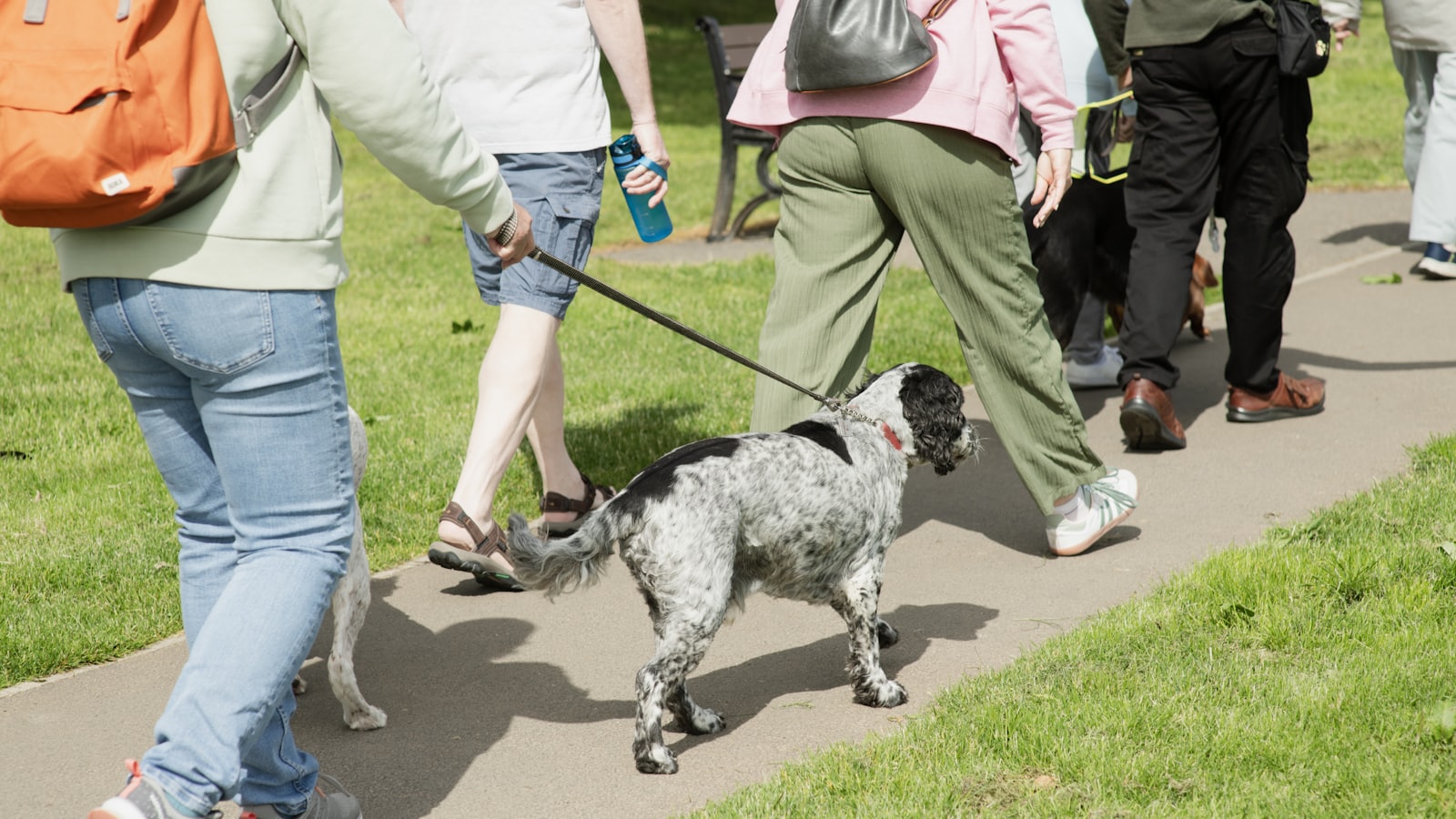
Reward the calm option — and manage the setup
Set your dog up to succeed. A leash or a baby gate can prevent a jumper from practicing the launch while you reward calm; a mat to go to gives a dog a clear “this is what to do when someone arrives.” Reinforce settled behavior generously with treats and quiet praise. Because jumping and frenzied greeting are self-rewarding, management (so they can't rehearse it) plus reinforcement of the calm alternative is what rewires the habit over repeated, low-key greetings.
For the nervous dog: choice is everything
If your dog is shy rather than exuberant, the priority flips to safety and choice. Never force a fearful dog to be petted or to approach a stranger — let them investigate on their own timeline, and ask visitors to avoid looming, staring, or reaching over the dog's head. A person who ignores the dog and tosses a treat is far less threatening than one who leans in. As calm greetings get rewarded and nothing bad happens, a nervous dog's confidence grows. If fear is intense or worsening, bring in your vet or a certified trainer.
🗓 This Week's Plan
- Days 1–2: Make arrivals boring — keep your energy low and have guests ignore the dog until they settle.
- Days 3–4: Reward four-on-the-floor calm (or, for a nervous dog, calm from a distance with full choice) and manage with a leash, gate, or mat.
- Days 5–7: Stage a few practice greetings and rate each Greeting Calm Score to watch calm become the habit.
Start the Calm Greetings Challenge in Pak Social
Log your practice greetings and rate each Greeting Calm Score. In a week or two you'll see the doorbell stop being a big deal — for an excited or a nervous dog alike.
Get Pak Social — Free