Dog-Proofing a New Home
Before the dog comes home, get down to their level and remove the hazards they'll absolutely find first.
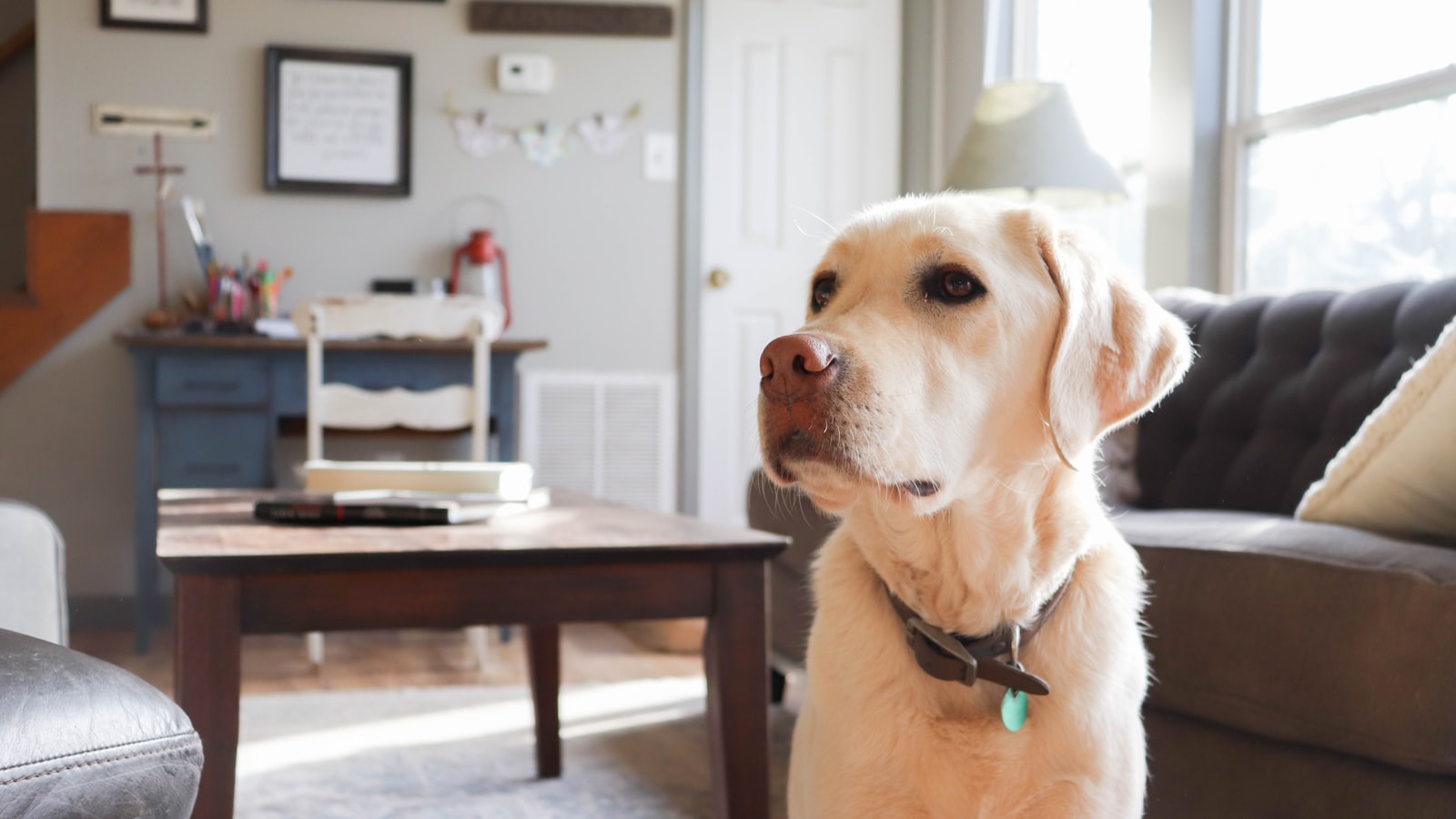
A new dog — especially a puppy — is a curious, mouthy explorer who will investigate your home with their nose and teeth, and they'll find the exact things you'd never think of. A little preparation before they arrive prevents most emergencies: the chewed cord, the swallowed sock, the trash-can raid, the toxic houseplant. Dog-proofing isn't complicated or expensive; it's mostly about getting down to dog height and thinking one step ahead of a very determined investigator.
Assume your new dog will find the one dangerous thing in every room — then get there first.
📋 Quick Read
- Go room by room at your dog's eye level; hazards you'd never notice standing up are obvious from down there.
- The big three are toxins (foods, plants, chemicals, meds), swallowable objects, and cords/outlets — plus escape routes outside.
- Most fixes are cheap and quick: latches, closed doors, raised items, and a securely contained yard.
Get down to their level, room by room
The best dog-proofing trick is literal: crouch or crawl through each room at your dog's height and look. From down there you'll spot the dangling cord, the gap under the fence, the tempting trash can, the low shelf of houseplants. Work through the home zone by zone — kitchen, bathroom, living areas, bedrooms, garage, yard — because each has its own hazards. What's invisible from standing height is often the first thing a nose finds.
The big three hazards
Focus first on what causes real emergencies. Toxins: secure human foods that poison dogs (chocolate, xylitol, grapes/raisins, onions), all medications, cleaning products, and — critically — antifreeze in the garage; relocate toxic houseplants. Swallowable objects: pick up socks, kids' toys, hair ties, and anything small enough to be gulped and cause a blockage. Cords and outlets: bundle and hide electrical cords and cover outlets, since a chewed cord is both a burn and a shock risk. Trash cans, with their food smells and hazards, deserve a latch or a closed door.
Don't forget the escape routes
Indoors handled, turn to containment. Walk your fence line for gaps, loose boards, or spots a dog could dig under or jump over, and check that gates latch securely. Be mindful of doors that open to the street — many new dogs bolt from an unfamiliar home. Secure the garage and shed (chemicals, sharp tools, antifreeze), and fence off or cover pools. A dog who can't get out is a dog who can't get lost or hit by a car — arguably the most important proofing of all.
- Kitchen: trash latched; chocolate, xylitol, grapes, onions & meds out of reach
- Bathroom & laundry: cleaners, meds, and trash behind closed doors
- Floors: no swallowable small objects, socks, hair ties, or kids' toys around
- Cords bundled/hidden and outlets covered
- Toxic houseplants removed or relocated
- Yard & garage: fence line checked, pool secured, antifreeze & chemicals locked away
🗓 This Week's Plan
- Days 1–2: Do the room-by-room crawl-through and lock up toxins, meds, and the trash.
- Days 3–4: Clear swallowable objects, secure cords and outlets, and relocate toxic plants.
- Days 5–7: Walk the fence line, secure the garage and pool, and save emergency numbers in your phone.
Keep emergency help ready in Pak Social
Save your vet, ER, and poison-control numbers now. Dog-proof the house, and make sure the right help is one tap away if your dog outsmarts you.
Get Pak Social — Free