Choosing the Right Leash for Your Dog
A leash isn't just a leash. The length and type you choose quietly shape how calm — and how safe — your walks are.
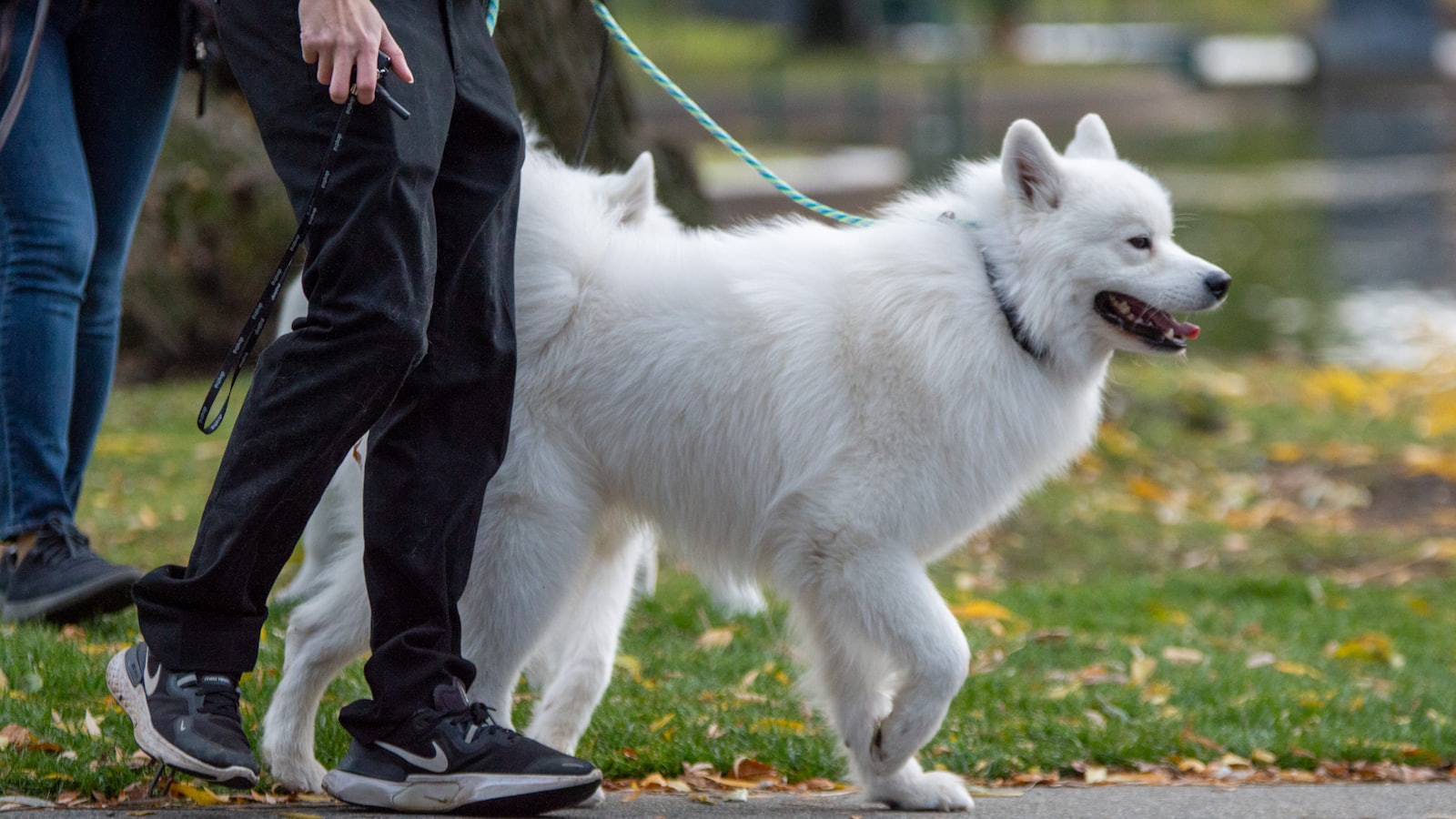
Most people grab whatever leash is nearest and never think about it again. But the leash is your main line of communication on a walk, and the wrong one makes everything harder — a bungee-like retractable that teaches pulling, a too-short lead for recall practice, a flimsy clip on a strong dog. Match the leash to what you're actually doing, and walks get calmer, training gets easier, and you get real control when it counts.
The best leash isn't the fanciest — it's the one that fits the job you're doing right now.
📋 Quick Read
- For everyday walks, a simple fixed 4–6 foot leash gives the best mix of freedom and control.
- Retractable leashes teach pulling (the dog learns tension = more length) and offer poor control — save them for narrow, low-risk situations, if at all.
- A long line (15–30 ft) is the secret weapon for recall and “freedom under safety” — freedom to roam with a backup you still hold.
One dog, a few different jobs
Think in terms of tasks, not a single do-everything leash. Everyday neighborhood walks call for a standard fixed leash, usually 4–6 feet, in a material that's comfortable in your hand and strong enough for your dog. Recall and long-distance training call for a long line. A reactive or powerful dog calls for a sturdy, shorter lead that gives you quick, close control. Many owners keep two: a daily leash and a long line for training.
Why retractables backfire
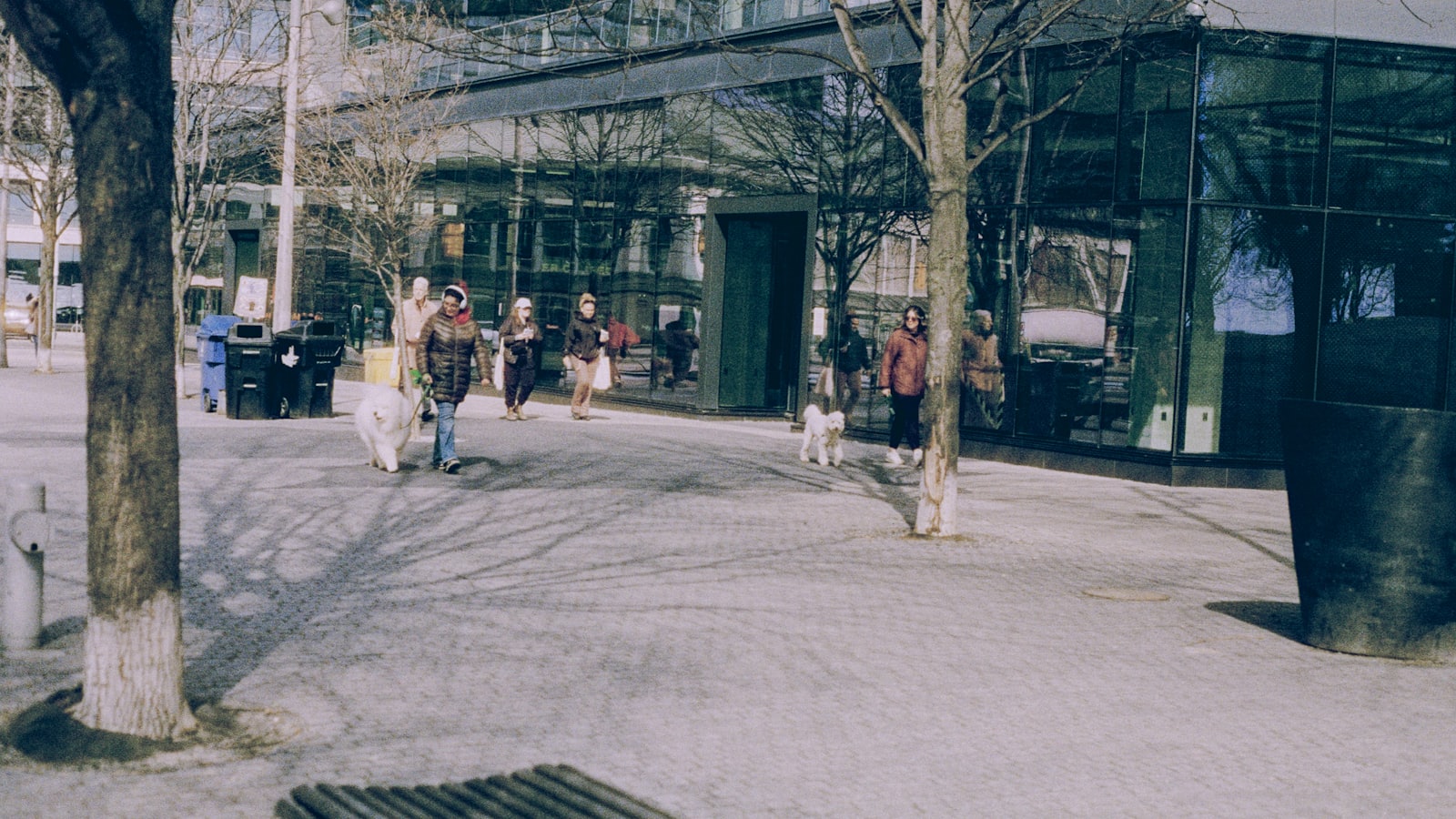
Retractable leashes feel convenient, but they work against you in two ways. First, they keep constant tension and pay out more line whenever the dog pulls — which literally trains pulling. Second, they give you almost no control in a sudden moment: a dog can hit the end at speed, the thin cord can snap or cause injury, and reeling in fast is hard. For training a loose leash, better control, or any higher-risk environment, a fixed leash wins. If you use a retractable at all, keep it to open, low-traffic, low-stakes spots.
The long line changes everything
If there's one upgrade that transforms training, it's a long line. Clipped to a well-fitted harness (not a collar, to avoid a hard jolt to the neck), a 15–30 foot line lets your dog explore, sniff, and practice recall at a real distance while you keep a physical safety net. It's how you build a reliable recall and “off-leash-like” freedom without the risk of actually being off leash. Let it drag in a safe open space and you get most of the freedom with none of the gamble.
🗓 This Week's Plan
- Days 1–2: Check your current leash against the job — is it the right length and type for your daily walk?
- Days 3–4: If you rely on a retractable, try a fixed 4–6 ft leash for a week and watch whether pulling eases.
- Days 5–7: Add a long line for recall practice in a safe open area, and log your dog's Leash Calm Score.
Dial in your walks with Pak Social
Log your walks and your dog's Leash Calm Score as you match the right leash to each outing. In a week you'll see which setup makes walks calmest.
Get Pak Social — Free ➡️ Up nextFitting a Harness Correctly4 min read›